
Watering
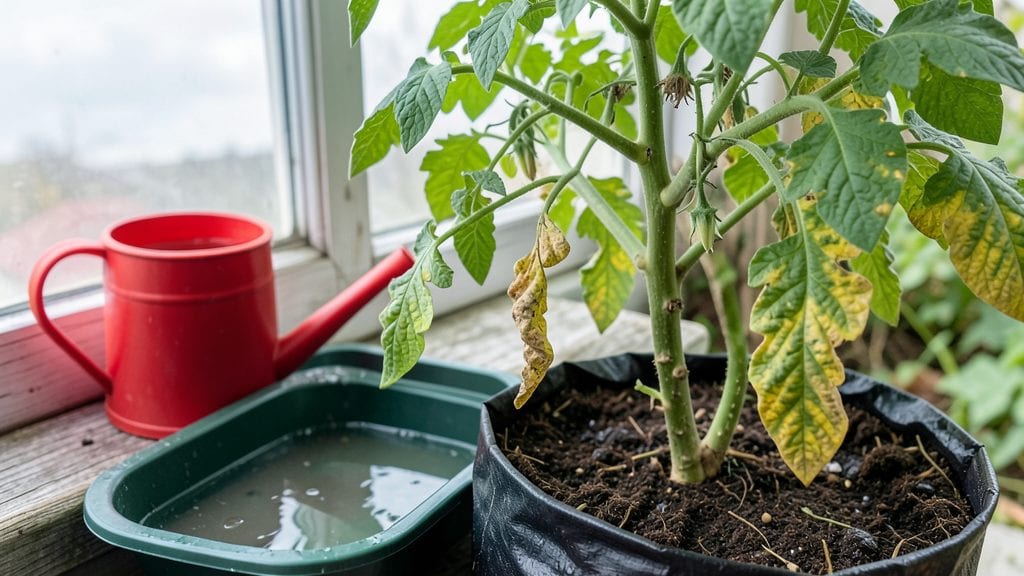
Overwatered plant edema turns leaves into bumpy, blistered messes—like my tomatoes last summer when I ignored the soggy soil. 🌱 The good news? It’s reversible with the right approach, and I’ll walk you through spotting the difference between edema and fungal issues (yes, there’s a trick).
Edema happens when roots can’t keep up with water intake, forcing plants to absorb more than they can use—especially in humid conditions. Tomatoes, peppers, and impatiens are classic victims, but the fix is simple: adjust watering, improve drainage, and prune damaged leaves.
No fancy tools needed, just observation and a little patience.
Within a week of proper care, new growth emerges smooth and green, proving edema isn’t a death sentence. You’ll learn to check soil moisture like a pro, saving future plants from the same fate. Let’s turn those blisters into healthy foliage.
Works for backyard gardens, containers, and even houseplants struggling with overzealous watering. Here’s how to diagnose, treat, and prevent it for good—no more guessing games.
Root Causes Of Leaf Swelling
When your plant’s leaves start looking like they’ve been through a water balloon fight, it’s usually a sign of overwatered plant edema. This condition—often called leaf blistering or hydroponic edema—occurs when water uptake outpaces the plant’s ability to transpire (release moisture).
The result? Tiny, translucent blisters or swollen patches on foliage, often near veins or leaf edges. Let’s break down why this happens, starting with the most common triggers.
Plants drink water through their roots, but if the soil stays saturated for days, roots suffocate and struggle to absorb nutrients efficiently. When this happens:
- Water pressure builds up inside leaf cells because the plant can’t transpire fast enough to balance intake.
- Stomata (tiny pores) close to prevent further water loss, trapping excess moisture in the leaf tissue.
- Cell walls stretch under pressure, forming blisters—like overinflating a balloon past its limit.
Actionable fix: Let the top 1–2 inches of soil dry out between waterings. Use a moisture meter or the "finger test" (stick your finger in the soil—if it’s damp past 1 inch, wait). For heavy clay soils, amend with perlite or sand to improve drainage.
Hot days followed by cool nights create a perfect storm for edema. Here’s why:
| Daytime (Hot) | Nighttime (Cool) |
|---|---|
| ✅ Stomata open to release heat via transpiration, sucking up water. | ❄️ Stomata close to conserve moisture, but roots keep absorbing water. |
| 🔥 Water vapor escapes quickly in heat. | 🌙 Water gets "stuck" in leaves with nowhere to go. |
This imbalance forces water into leaf cells until they bulge or split. Succulents and tropical plants (like Calathea or Monstera) are especially vulnerable.
Actionable fix:
- Move plants to a spot with indirect light and consistent temps (avoid drafts near AC/heaters).
- Mist leaves lightly in the morning to help stomata open gradually.
- Use a humidity tray to stabilize moisture levels.
If water pools at the roots instead of draining, plants drown in their own soggy soil. Compacted or heavy soils (like clay) trap moisture, while pots without drainage holes turn into deathtraps. Here’s the science:
- Oxygen depletion in waterlogged soil forces roots to gasps for air, slowing water uptake regulation.
- Fungal/bacterial infections (like Pythium) clog root cells, making them leak water uncontrollably.
- Salt buildup from tap water or fertilizers osmotically stresses roots, forcing them to absorb even more water to dilute toxins.
Actionable fix:
- Repot in a well-draining mix (e.g., cactus soil + perlite for succulents; peat + orchid bark for tropicals).
- Add hydrogel crystals to retain moisture without suffocating roots.
- Use terracotta pots (they wick away moisture) or drill drainage holes in plastic pots.
Too much fertilizer—especially high in nitrogen or salts—disrupts the plant’s osmotic balance. Here’s how it backfires:
- Excess salts in soil lower water potential, tricking roots into over-absorbing to dilute the concentration.
- Nitrogen spikes promote lush, soft growth that can’t handle water stress, leading to blistering.
- Root burn from fertilizers damages cell membranes, causing water to leak into leaf tissues uncontrollably.
Actionable fix:
- Flush soil with water 3x the pot’s size to leach out excess salts.
- Switch to a balanced, organic fertilizer (e.g., fish emulsion or worm castings).
- Water before fertilizing to dilute concentrations at the roots.
Pro Tip: 💡 Edema often starts as a warning sign—if you notice yellowing leaves or wilting alongside blisters, your plant is already struggling to regulate water. Act fast by adjusting watering and environmental conditions.
Fix Swollen Leaves Fast
Overwatered plant edema—those unsightly blisters and swollen leaves—can feel like a death sentence for your green babies. But don’t panic! With the right adjustments, you can nurse your plants back to health and prevent future flare-ups.
Below, we’ve mapped out practical fixes based on the root cause, plus prevention tips to keep your plants thriving.
If your plant is drowning in moisture, the first step is to stop the water stress immediately.
🌱 Step 1: Check the Soil
- 🔍 Test moisture by sticking your finger 1–2 inches into the soil. If it’s soggy, hold off on watering.
- 🧽 Repot if needed—if roots are rotting (black, mushy, or smelly), transfer to fresh, well-draining soil.
🌧️ Step 2: Adjust Your Watering Routine
- ⏰ Water only when the top inch is dry—use your finger or a moisture meter for accuracy.
- 💧 Use the "soak-and-dry" method: Water deeply until it drains from the bottom, then wait until the soil is almost dry before repeating.
- 🚫 Avoid misting—edema thrives in humid conditions.
Let leaves dry between waterings.
🌿 Step 3: Improve Drainage
- 🪴 Add perlite or sand to heavy soils to boost aeration.
- ✅ Use pots with drainage holes—if repotting isn’t an option, elevate the pot on a saucer with pebbles to prevent waterlogging.
💡 Pro Tip: If your plant is in a humid climate, prune affected leaves to reduce stress and redirect energy to healthy growth.
High humidity + poor airflow = edema paradise. Break the cycle with these tweaks:
🌬️ Step 1: Increase Air Circulation
- 💨 Place a small fan nearby (not too close!) to mimic gentle breezes.
- 🪴 Rearrange plants so they’re not packed too tightly together.
🌧️ Step 2: Reduce Indoor Humidity
- 🔥 Use a dehumidifier in damp rooms (like bathrooms or kitchens).
- 🌿 Group plants with a fan to create a microclimate with better airflow.
💧 Step 3: Wipe Leaves Regularly
- 🧻 Gently wipe leaves with a damp cloth to remove excess moisture and debris.
- ✨ Avoid leaf shine sprays—they trap humidity against the foliage.
🔥 Hot Tip: If your home stays humid year-round, choose drought-tolerant plants like succulents or snake plants—they handle moisture stress better.
Edema can also signal too much fertilizer or poor nutrient ratios. Reset with these fixes:
🍽️ Step 1: Flush the Soil
- 💦 Water thoroughly with plain water (no fertilizer) to leach out excess salts.
- 🌱 Repeat 2–3 times over a week to cleanse the root zone.
📊 Step 2: Adjust Fertilizer Use
- 🚫 Skip fertilizer for 4–6 weeks while the plant recovers.
- 💪 When you resume, use a balanced, diluted formula (half-strength is safer).
- 🌿 Opt for organic options like compost tea or worm castings—they release nutrients slowly.
🌱 Step 3: Boost Calcium (If Needed)
- 🥛 Use a calcium supplement (like crushed eggshells or calcium nitrate) to strengthen cell walls.
- ⚠️ Avoid overdoing it—too much calcium can cause other issues.
🎯 Prevention Tip: Always follow label instructions—more fertilizer ≠ better growth!
Once your plant is back on track, keep edema at bay with these easy habits:
✅ Master the "finger test"—stick your finger in the soil before watering. ✅ Use the right pot—terracotta dries faster than plastic. ✅ Rotate plants occasionally for even light exposure (prevents weak, waterlogged spots). ✅ Monitor leaves—catch early signs (small bumps) before they turn into blisters. ✅ Seasonal adjustments—water less in winter when growth slows.
✨ Bonus: If your plant is a tropical variety (like calatheas or ferns), mimic their natural habitat—high humidity with good airflow (think rainforest, not swamp).
With these fixes, your plant should shrink those blisters and bounce back in 2–4 weeks. Stay consistent, and soon you’ll be the proud parent of healthy, happy leaves—no edema in sight! 🌿💚
Frequently asked questions
How do I tell if my plant has edema vs. fungal infection?
Edema blisters are clear or translucent, often near leaf veins, and appear on younger leaves first. Fungal spots are usually brown/yellow with fuzzy edges and spread randomly. Check undersides of leaves—edema won’t have powdery mildew or black mold.
Can I save a plant with severe edema blisters?
Yes! Prune only the worst blistered leaves to reduce stress, then focus on fixing drainage and watering. Healthy new growth will emerge in 2-4 weeks if roots aren’t rotted. For advanced cases, repot into fresh, sterile soil with perlite.
Why do some plants get edema more often than others?
Succulents, tomatoes, peppers, and tropicals (like Calathea) are most vulnerable because their leaves can’t handle water pressure well. Fast-growing plants with soft leaves (e.g., impatiens) also blister easily when overwatered.
Does humidity really cause edema?
High humidity prevents leaves from releasing excess water through stomata, trapping moisture inside. Use a fan or dehumidifier near plants—especially in bathrooms or kitchens—to create airflow while maintaining moderate humidity.
How often should I check for early edema signs?
Inspect leaves weekly during growing season (spring-fall) for tiny bumps or glossy spots. Early action (adjusting watering) prevents blisters from spreading. For houseplants, check biweekly—especially after repotting or moving locations.