
Watering
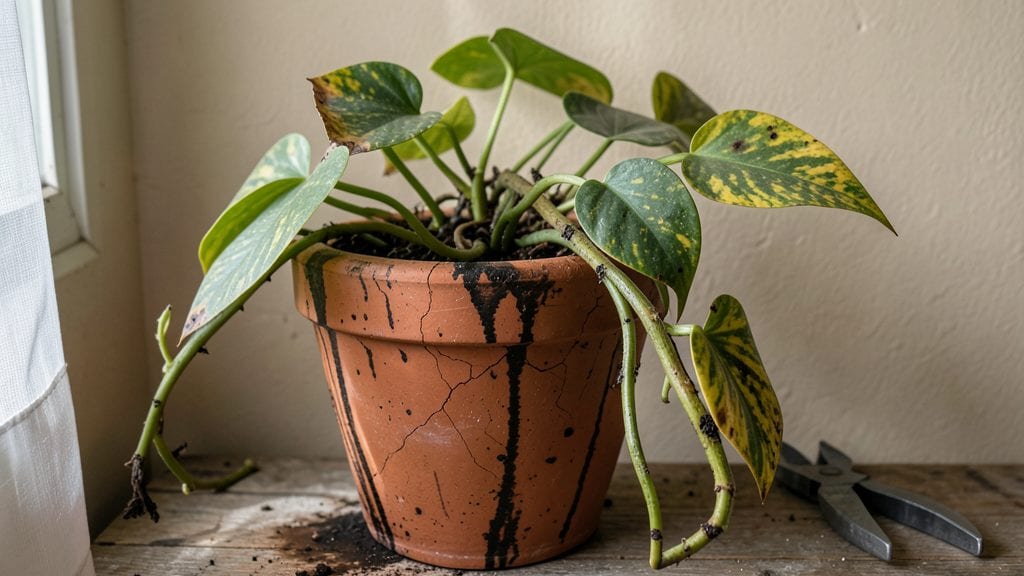
Your pothos plant’s droopy leaves aren’t a death sentence—just a sign it’s had too much love. 🌱 I’ve nursed back more plants than I’d like to admit, and overwatered pothos are the easiest to revive. The key is stopping the water first, then giving roots space to breathe.
Here’s the thing—pothos roots rot faster than you’d think. Yellow leaves and mushy stems mean you’ve been watering on a schedule, not by feel. Most people overcorrect by drowning the plant again. Instead, let the top 2-3 inches of soil dry out completely before watering again.
Within a week, you’ll see new growth pushing from the stems, and those limp leaves will perk up. The plant’s natural resilience kicks in once you stop smothering it. Just keep the soil lightly moist—not soggy—and you’ll have a thriving pothos again.
This works for pothos in pots, hanging baskets, or even office plants. The same rules apply whether you’re dealing with a single leaf or a full vine. Let’s get it back to its happy, leafy self.
Root of the Problem
Overwatering your pothos isn’t just a gardening mistake—it’s a silent killer that chokes your plant’s roots and leaves it gasping for air. Understanding why this happens is the first step to fixing it.
Let’s break down the science behind soggy soil and droopy leaves, so you can spot the warning signs before it’s too late.
Pothos plants thrive in well-draining soil, but when drainage fails, water pools around the roots instead of draining away. This creates a suffocating environment where roots can’t breathe.
- Why it happens:
- Compacted soil (often from repotting with heavy mixtures like clay or garden soil) blocks water flow.
- Lack of perlite, sand, or orchid bark in potting mixes reduces aeration, trapping moisture.
- Small or clogged drainage holes in pots prevent excess water from escaping.
- 💡 Pro tip: Test your soil’s drainage by filling a pot with water—if it takes more than 10 minutes to drain, your mix is too dense. Amend it with 20-30% perlite or coco coir to improve airflow.
Pothos are drought-tolerant, but many plant parents water on a rigid schedule—even when the soil isn’t ready. This leads to chronically wet roots, which rot within days.
- Why it happens:
- Ignoring the "finger test"—sticking your finger 1-2 inches into the soil tells you if it’s dry (ideal for watering) or still damp.
- Watering at the same time weekly, regardless of humidity, light, or season (e.g., winter slows root activity).
- Using ice cubes or misting daily, which adds moisture without letting the soil dry out between sessions.
- ⏰ Actionable fix: Wait until the top 1-2 inches of soil are dry before watering again. In winter, reduce frequency to every 2-3 weeks.
A pot that’s too large holds excess moisture longer, while non-breathable materials (like plastic) trap humidity against the roots.
- Why it happens:
- Oversized pots (e.g., a 10-inch pot for a 6-inch pothos) give roots too much space to sit in wet soil.
- Glazed or plastic containers don’t allow soil to dry evenly, creating a greenhouse effect.
- No airflow vents in decorative pots restrict oxygen flow to roots.
- 🔥 Solution: Choose pots 1-2 inches larger than the root ball and opt for terracotta, coconut fiber, or pots with drainage holes. For decorative pots, use a cache pot (a hidden inner pot with drainage).
Pothos love indirect light, but high humidity + low light = a recipe for root rot. Without enough light, the plant can’t transpire (release water vapor) efficiently, leaving excess moisture in the soil.
- Why it happens:
- Low-light spots (e.g., bathrooms, north-facing windows) slow evaporation, keeping soil damp longer.
- High humidity (e.g., 70%+ in bathrooms or tropical climates) reduces the soil’s ability to dry out.
- No airflow from fans or open windows prevents moisture from escaping.
- 🌡️ Fix it: Move your pothos to bright, indirect light (e.g., 1-2 feet from an east or west window). If humidity is an issue, place a fan nearby to improve airflow or use a dehumidifier in the room.
Once soil stays soggy, harmful microbes thrive, attacking roots and cutting off nutrients. Fungal infections like Phytophthora or bacterial soft rot spread rapidly in waterlogged conditions.
- Why it happens:
- Stagnant water in saucers or trays creates a breeding ground for pathogens.
- Old, decomposing soil (especially in neglected pots) releases toxins and invites pests.
- Contaminated water (e.g., tap water with chlorine or well water with high minerals) stresses roots.
- 🎯 Prevention: Always empty saucers after watering and use sterilized soil (bake DIY mixes at 200°F for 30 minutes to kill pathogens). For tap water, let it sit out for 24 hours before use.
Revive Your Pothos in 3 Steps
If your pothos plant is looking sad and droopy from too much water, don’t panic—it’s often an easy fix! The key is to act quickly, adjust your watering habits, and give your plant the right conditions to bounce back.
Below are practical, step-by-step solutions tailored to the root causes of overwatering, plus prevention tips to keep your pothos thriving long-term. 🌱
Before doing anything else, halt watering to prevent further damage. Pothos plants are resilient but can’t recover if left soggy. Here’s how to assess and act:
- 👨🍳 Check the Soil Moisture Stick your finger 1–2 inches deep into the soil. If it feels damp or cool, your plant has had enough water. If it’s muddy or smells sour, it’s time to intervene.
- 💧 Drain Excess Water If your pothos is in a pot with drainage holes, gently tip it sideways to let excess water escape. For pots without holes, use a spoon or your fingers to scoop out saturated soil.
- 🌡️ Wait Before Watering Again Pothos prefers to dry out slightly between waterings. Wait 5–7 days before checking the soil again—this gives roots time to recover.
Overwatering often goes hand-in-hand with poor drainage or stagnant air. Fix these issues to help your pothos recover faster:
🔪 Repot if Necessary (For Severe Cases)
If the soil is compacted or the roots smell rotten, it’s time for a fresh start.
- 🌿 Choose a Well-Draining Mix: Combine 50% potting soil with 50% perlite, orchid bark, or coco coir to improve aeration.
- 🏺 Upgrade the Pot (If Needed): Ensure the new pot has drainage holes and isn’t too large—pothos hate sitting in excess moisture.
- 🧼 Clean the Roots: Rinse the roots gently under lukewarm water to remove old, mushy soil before repotting.
🌬️ Boost Air Circulation
Stagnant air encourages fungal growth and slows recovery. Try these tricks:
- Move your pothos to a bright, indirect spot (like an east-facing window) with gentle airflow (e.g., near a fan or open window).
- Avoid cramming pots together—pothos need space to breathe! 🌿
Now that your pothos is drying out, let’s set up a long-term watering schedule to prevent future issues.
📊 The Right Way to Water Pothos
Pothos thrive on a "soak and dry" method—not frequent light waterings. Follow this:
| When to Water | How to Water |
|---|---|
| When the top 1–2 inches of soil are dry (stick your finger in to test!). | Water thoroughly until water runs out the drainage holes. Empty the saucer afterward—pothos hate "wet feet." |
| In winter, reduce watering to every 2–3 weeks (growth slows!). | In summer, water every 1–2 weeks (but always check soil first!). |
💡 Pro Tips for Prevention
Keep these habits to avoid overwatering in the future:
- ✨ Use the "Finger Test" before watering—it’s the most reliable method!
- 🌡️ Monitor Humidity: Pothos prefer 40–60% humidity. If your home is dry (e.g., from heaters), mist leaves occasionally or use a pebble tray.
- 🎯 Choose the Right Pot: Terracotta pots dry out faster than plastic—great for forgetful waterers!
- 🚫 Avoid Ice Cube Watering: While it sounds clever, it can shock roots and disrupt soil structure.
Once your pothos is back on track, give it a little extra love to speed up recovery:
- 🍃 Trim Damaged Leaves: Use clean scissors to snip off yellow, mushy, or blackened leaves—this redirects energy to healthy growth.
- 💪 Fertilize Lightly: After 4–6 weeks of recovery, use a balanced liquid fertilizer (diluted to half strength) to replenish nutrients.
- 🌿 Propagate Healthy Cuttings: Snip a few healthy stems (with at least 2 leaves) and root them in water or soil—it’s a great way to multiply your plant!
With these steps, your pothos should perk up within 1–2 weeks! Remember, consistency is key—once you’ve fixed the overwatering, stick to the new routine to keep your plant lush and happy. 🌟
Frequently asked questions
How can I tell if my pothos is overwatered vs. underwatered?
Check the leaves and soil: Overwatered pothos show yellowing leaves, mushy stems, and soil that smells sour or stays damp for days. Underwatered plants have crispy, brown edges and dry soil that pulls away from the pot edges. Stick your finger in—if it's bone dry past 1 inch, it needs water.
Can I save a pothos with completely black stems?
Black stems signal advanced rot, but you can still propagate healthy cuttings! Snip stems with green leaves (above the black section) and root them in water or fresh soil. The mother plant may not recover, but you’ll grow new plants from the healthy parts.
Why does my pothos recover faster in bright light?
Light triggers photosynthesis, helping roots dry faster and leaves recover. Place your pothos near indirect light (east or west windows) to speed recovery. Avoid direct sun—it burns healing leaves. A small fan nearby improves airflow, preventing fungal issues.
How often should I water pothos after recovery?
Wait until the top 2 inches of soil are dry—usually every 1-2 weeks in summer, every 3-4 weeks in winter. Use the finger test: If soil feels damp below 1 inch, wait longer. Terracotta pots dry faster than plastic.
Is it okay to use hydrogen peroxide on overwatered pothos roots?
Yes! Mix 1 part 3% hydrogen peroxide with 4 parts water and soak roots for 5 minutes to kill fungus/bacteria. Rinse thoroughly before repotting. This works best for severe cases where roots smell rotten. Always use fresh, diluted solution.