Companion Plants
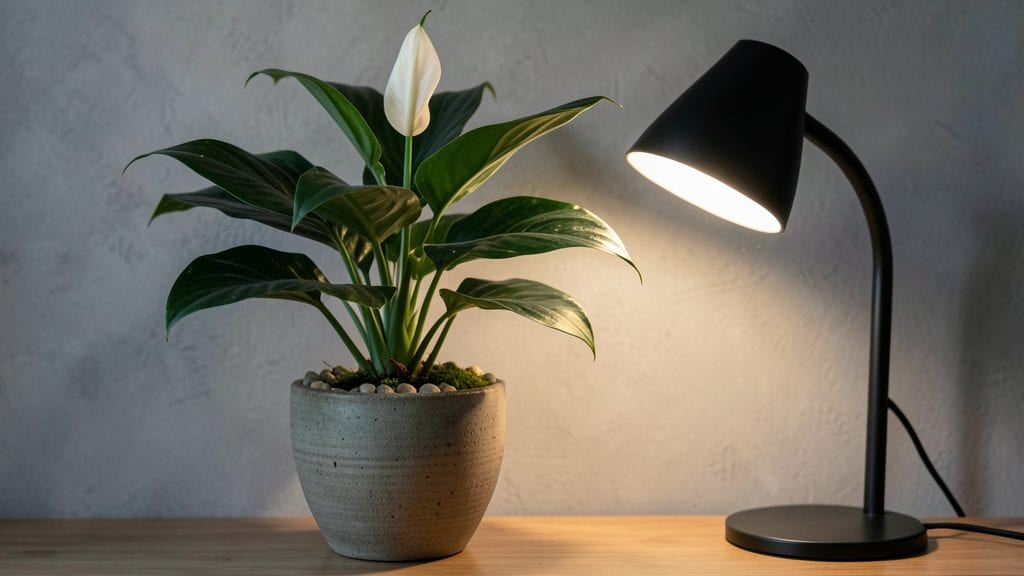
Bringing live office plants into your workspace isn’t just about decor—it’s about transforming stale air into cleaner, fresher breathing space. 🌿 I’ve turned my own office corner into a mini jungle, and the difference in energy (and air quality) is shockingly noticeable.
The right plants not only survive but thrive in low light and dry air, making them perfect for cubicles, desks, or conference rooms.
Start with hardy varieties like snake plants, pothos, or ZZ plants—these handle neglect and repel common office pests like spider mites. You’ll need basic supplies: a few pots with drainage, well-draining soil, and a spray bottle for occasional misting.
Most office plants need water every 2-4 weeks, but the soil should dry out completely between waterings to avoid root rot.
Within weeks, you’ll notice lush, velvety leaves and a subtle earthy scent that cuts through the scent of coffee and printer toner. These plants don’t just look great—they actively filter toxins like formaldehyde and benzene, creating a healthier workspace.
Plus, watching them grow adds a calming focus to even the busiest days.
Whether you’re working in a bright corner or under fluorescent lights, these plants adapt easily. The key is consistency: check leaves for dust weekly, rotate pots for even light exposure, and avoid overwatering.
Small adjustments make all the difference between a struggling plant and one that becomes your office’s star attraction.
📚 In This Guide
- What you need
- Instructions
- Tips and common mistakes
- Wrapping up and next steps
What you need
- ● Live office plants: 1–3 low-maintenance varieties (e.g., Snake Plant, ZZ Plant, Pothos, or Spider Plant)
- ● Size: Small to medium (6"–24" pots) for desks or shelves
- ● Containers: 1–3 pots with drainage holes (ceramic, terracotta, or plastic)
- ● Size: 1–2 inches larger in diameter than the plant’s root ball
- ● Potting mix: 1 bag (5–10 quarts) of well-draining, peat-based or cactus/succulent mix
- ○ Optional: Add perlite or orchid bark (10–20%) for aeration
- ● Basic tools: 1 small hand trowel or spoon
- ● 1 pair of clean pruning shears
- ● 1 spray bottle (8 oz) for misting
- ● Self-watering planters or wicking systems for busy schedules
- ● Plant saucers or trays to catch runoff and add humidity
- ● Grow lights (LED or fluorescent) for low-light offices (10–12 hours/day)
- ● Plant food: Balanced liquid fertilizer (diluted to half-strength)
- ● Decorative elements: Pebbles, moss, or stylish plant stands
- ● A space with indirect light (avoid harsh sunlight or deep shade)
- ● Temperature range: 60–75°F (15–24°C)—most office plants thrive here!
- ● Access to water (filtered or room-temperature tap water)
- ● Time to check plants 1–2 times per week (even low-maintenance plants need love!)
Step-by-step guide to selecting and caring for air-purifying office plants
Here's how to choose and maintain four resilient, air-cleansing plants that actually thrive in office environments.
🌱 Step 1: Choose the Right Plants for Your Space
Start with these four proven air-purifiers: a snake plant (Sansevieria), peace lily (Spathiphyllum), ZZ plant (Zamioculcas zamiifolia), and rubber plant (Ficus elastica). Each handles different light conditions and neglect levels—critical for office settings where care routines vary. The snake plant tolerates low light and irregular watering, while the rubber plant thrives in bright, indirect light and needs consistent moisture.
Position plants based on their needs: place the peace lily and ZZ plant in medium to low light areas like conference rooms or reception desks, while the rubber plant belongs near windows with filtered sunlight. Avoid drafty spots near vents or doors—these plants despise sudden temperature swings and will show stress with crispy leaf edges or yellowing.
🪴 Step 2: Prepare Containers and Soil Mix
Use 6-8 inch diameter pots with drainage holes for all four plants. Terra cotta containers work best—they wick away excess moisture and prevent root rot, a common killer in office environments where watering gets forgotten. Fill each pot with 2 gallons of well-draining potting mix blended with 1 part perlite to improve aeration and prevent compaction.
Tap the pot gently after adding soil to eliminate air pockets, but don't pack it down—roots need loose, breathable medium to establish properly. For the rubber plant, add a handful of orchid bark to the mix for extra drainage. This ensures water flows through the pot rather than pooling at the bottom, which is especially important during office weekends when no one checks on wilting leaves.
💧 Step 3: Establish a Watering Routine
Water each plant only when the top 2-3 inches of soil feel completely dry to the touch. The snake plant and ZZ plant can go 3-4 weeks between waterings, while the peace lily and rubber plant need moisture every 10-14 days. Overwatering is the fastest way to kill office plants—yellowing leaves or mushy stems are sure signs you're drowning them.
Use room-temperature water and pour it slowly until it drains from the bottom holes. Discard any water that collects in saucers after 15 minutes—sitting water breeds fungus and bacteria that attack roots. I set a calendar reminder for watering days to prevent missed cycles, especially during busy seasons when everyone forgets their green responsibilities.
☀️ Step 4: Optimize Light and Clean Regularly
Rotate plants quarter-turn weekly so all sides receive even light exposure. This prevents lopsided growth and ensures leaves develop uniformly. Dust leaves every 2-3 weeks with a damp microfiber cloth—dust blocks 30-50% of light absorption, weakening photosynthesis. Wipe the rubber plant's glossy leaves gently; its waxy surface traps dust more aggressively than others.
Supplement natural light with a full-spectrum LED grow light if your office lacks windows. Position it 12-18 inches above the plants and run it for 12 hours daily. You'll notice new growth within 4-6 weeks—this is your signal the light is working. For the peace lily, mist leaves occasionally to recreate its tropical humidity needs, but avoid soaking the soil unless you're prepared to water immediately afterward.
✂️ Step 5: Prune and Propagate for Office-Friendly Growth
Trim leggy stems or yellowed leaves with sterilized scissors to encourage bushier growth. For the snake plant, cut back overgrown leaves at the base and propagate the cuttings in water—they root easily and make great desk companions. The rubber plant benefits from occasional pruning too; pinch back new growth to maintain a fuller shape without sacrificing height.
Repot every 2-3 years when roots emerge from drainage holes. Choose a pot 2 inches larger in diameter and refresh the potting mix completely. This prevents nutrient depletion and gives roots room to expand. I always repot in spring—plants recover faster from the shock when they're entering their active growth phase.
Tips & tricks for perfect live office plants
Here's what I've learned from years of keeping office plants alive through busy seasons and forgotten watering schedules.
Light Placement Matters: The rubber plant's need for bright, indirect light makes it perfect for office windows, but watch for direct sun—those crispy brown patches appear when leaves get sunburned. I place mine about 2 feet from the window where they get gentle morning light but avoid harsh afternoon rays. For the snake plant in low-light areas, I've noticed it actually grows faster when placed near fluorescent lights, which mimic its natural habitat lighting better than you'd expect.
Watering Wisdom: The 15-minute drain time after watering is crucial—this prevents the root rot that kills most office plants. I've seen colleagues dump water straight into saucers, thinking it's helping, but that just creates a bacterial breeding ground. Instead, pour water slowly until it runs out the bottom, then dump the saucer water after exactly 15 minutes. For the peace lily, I've found that misting the leaves occasionally (not the soil!) helps recreate its tropical humidity needs without overwatering.
Container Selection: Terra cotta pots aren't just a recommendation—they're essential for office plants. They wick away excess moisture that would otherwise sit in plastic containers, which is why I've lost count of how many office plants died in those decorative plastic pots. The 6-8 inch size is perfect because it gives roots room to grow without becoming too heavy for most desks. Pro tip: If you must use plastic, drill drainage holes yourself—most decorative office pots don't have them.
Growth Monitoring: The 4-6 week growth period after setting up grow lights is your best indicator that everything's working. If you're not seeing new leaves by week 6, check your light placement—those full-spectrum LEDs need to be exactly 12-18 inches above the plants. I've had offices where the lights were too far away, and the plants just sat there looking sad. For the ZZ plant, I've noticed it actually grows faster under grow lights than natural light, making it the perfect office plant for windowless spaces.
Pro Tips for Live Office Plants
- Here's what I've learned from years of keeping office plants alive through busy seasons and forgotten watering schedu...
- Light Placement Matters: The rubber plant's need for bright, indirect light makes it perfect for office windows, but ...
- Watering Wisdom: The 15-minute drain time after watering is crucial—this prevents the root rot that kills most office...
Frequently asked questions
What are the easiest low-maintenance live office plants for beginners?
Start with resilient picks like snake plants, ZZ plants, or pothos. These thrive in indirect light, need minimal watering (every 2–4 weeks), and tolerate occasional neglect. Avoid fussy plants like ferns or orchids unless you’re ready to commit to humidity and precise care!
How often should I water my office plants, and how do I know when they’re thirsty?
Most office plants prefer dry soil—stick your finger 1–2 inches deep. If it’s dry, water thoroughly until it drains from the bottom. Overwatering is the #1 killer! Pro tip: Use a moisture meter or group plants with similar needs to simplify care.
Can live office plants really improve air quality, or is that just marketing?
Yes! NASA studies confirm plants like spider plants and peace lilies filter toxins (e.g., benzene, formaldehyde) from the air. For maximum benefits, pair 1–2 medium-sized plants per 100 sq. ft. of space. Just don’t expect miracles—ventilation and air purifiers still matter!
Why are my office plant’s leaves turning yellow or crispy?
Yellow leaves = overwatering or poor drainage. Crispy edges = underwatering or dry air. Check soil moisture, adjust watering, and mist leaves (or use a pebble tray) if your office is too dry. Snake plants often crisp at the tips—trim them off to encourage new growth!
Are there any office plants to avoid due to toxicity or allergies?
Skip sago palms, philodendrons, or poinsettias if you have pets or sensitive skin—they’re toxic when ingested. Opt for pet-safe plants like Boston ferns or parlor palms. Allergies? Stick to hypoallergenic options like bamboo palms (they release moisture, not pollen!).
What’s the best way to rotate or replace dying office plants?
Rotate plants every 2–4 weeks for even growth and sunlight exposure. If a plant is beyond saving, compost it (if non-toxic) or repurpose its pot! Quick swap: Propagate healthy cuttings (like pothos stems) in water before buying new plants—it’s free and fun!
Wrapping up and next steps
Bringing live office plants into your workspace isn’t just about aesthetics—it’s a simple, science-backed way to boost air quality, reduce stress, and create a more vibrant environment. From low-maintenance snake plantspeace lilies, these green companions are designed to thrive indoors while working their magic.
The best part? You don’t need a green thumb—just a little care and the right setup!
Ready to transform your office? Start small—pick one plant that fits your space and personality, then watch as your workspace (and well-being) flourish. Your future self—and your lungs—will thank you! 🌿✨