Watering
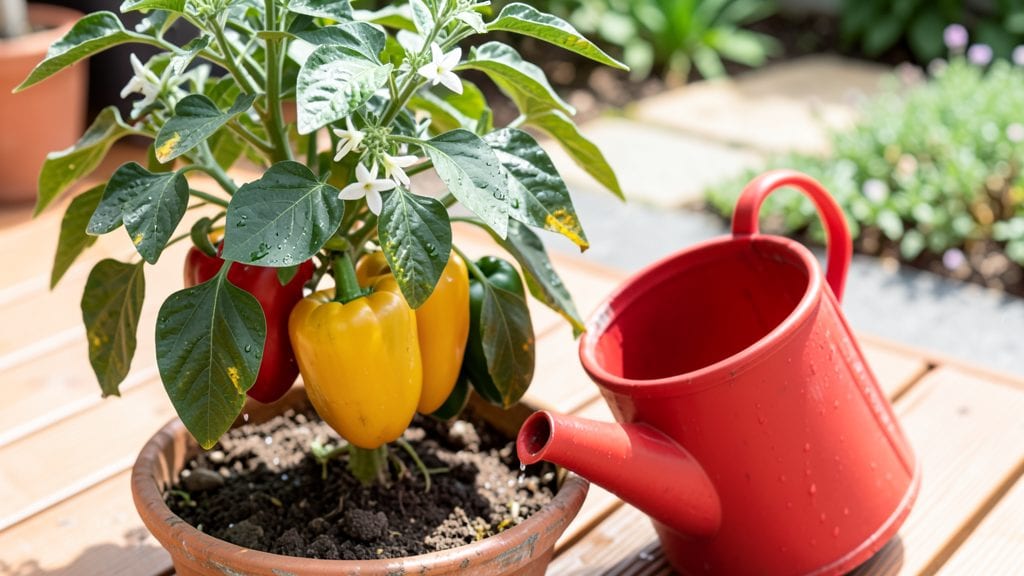
Overwatered pepper plants can turn your garden from productive to pitiful in weeks—yellowing leaves, mushy stems, and that dreaded smell of rot. I’ve nursed back more than my share of drowned peppers, and these three fixes actually work, even for the plants that looked like they were giving up.
The key isn’t just cutting back on water—it’s fixing the why behind the soggy soil.
First, you’ll need to stop the damage by improving drainage. If your pots lack holes or your garden bed stays waterlogged, roots suffocate. I swapped my heavy clay pots for lightweight fabric grow bags with drainage holes, and within a week, the plants stopped wilting by noon.
For in-ground peppers, a mound of soil or raised bed helps water drain faster—no more soggy roots.
Once you’ve fixed the setup, prune away the worst of the damage. Snip off yellowing leaves and any stems that feel mushy when squeezed (yes, I know it’s gross).
The plant will focus energy on new growth instead of rotting tissue. Within two weeks, you’ll see fresh green leaves pushing through, and those peppers will start forming again.
Prevention is where it gets easy. Stick your finger in the soil before watering—if the top inch feels damp, wait another day. Mulch helps too, keeping moisture steady without drowning the roots.
With these tweaks, your peppers will bounce back faster than you’d expect, and you’ll avoid the heartbreak of another overwatered batch.
Root Causes Of Pepper Plant Overwatering
Overwatering your pepper plants might seem like a harmless mistake—after all, more water can’t hurt, right? Wrong. When peppers get too much moisture, their roots suffocate, leading to a cascade of problems from stunted growth to outright death.
Understanding why this happens is the first step to saving your plants. Below, we break down the most common culprits behind soggy soil and how they disrupt your peppers’ health.
Pepper plants thrive in well-draining soil, but many gardeners unknowingly trap excess water in their pots or garden beds. Here’s how it happens:
- Compacted or clay-heavy soil: Clay and dense soils hold water like a sponge, leaving roots starved for oxygen. Even in raised beds, improper amendments (like too much compost without sand or perlite) can create a waterlogged environment. Test your soil: Grab a handful—if it forms a tight ball when wet, it’s too dense.
- Pots without drainage holes: Plastic or ceramic containers without holes act as water traps. Roots sit in stagnant water, inviting Pythium or Phytophthora fungi, which rot roots within days. Pro tip: If repotting, always drill holes in the bottom and use a cache pot (a saucer with pebbles) to prevent overflow.
- Overzealous mulching: Mulch is great for moisture retention, but a thick layer (over 3 inches) can suffocate roots by blocking airflow and trapping heat. In hot climates, this turns soil into a sauna, accelerating rot.
Pepper plants have shallow roots that need moisture, but they despise soggy conditions. Common watering mistakes include:
- Watering on a schedule: Assuming your peppers need water “every 2 days” ignores factors like humidity, temperature, and pot size. Instead: Stick your finger 1–2 inches into the soil—if it’s damp, wait. If dry, water deeply until it drains from the bottom.
- Light, shallow watering: A quick sprinkle wets only the top inch of soil, encouraging roots to stay near the surface. When you water again, they’re still saturated. Fix: Water slowly until it runs out the drainage holes, ensuring moisture reaches 6+ inches deep.
- Ignoring weather changes: Rainy seasons or high humidity (like 70%+) mean peppers need less water. Yet many gardeners keep their usual routine, drowning roots in excess moisture.
Not all containers are created equal—and some are downright deadly for peppers. Here’s how pot choice backfires:
| Problem | Why It Causes Overwatering | Solution |
|---|---|---|
| Too-small pots | Roots fill the space quickly, leaving no room for excess water to evaporate. Soil stays wet longer. | Upgrade to pots at least 12 inches in diameter for mature plants. |
| Glazed or non-porous containers | Materials like glazed ceramic or plastic don’t allow soil to “breathe.” Moisture lingers, promoting rot. | Choose unglazed terra cotta or fabric grow bags for better airflow. |
| No aeration in soil mix | Cheap potting soil compacts over time, reducing oxygen flow to roots. | Amend with perlite, vermiculite, or coconut coir (20–30% of the mix). |
Environmental factors can turn your watering habits into a death sentence for peppers:
- Cold soil: Temperatures below 60°F slow water evaporation, keeping soil damp for days. Roots in chilly soil are also more susceptible to fungal infections. Solution: Move pots to a warmer spot or use black plastic mulch to absorb heat.
- High humidity: In tropical climates or greenhouses, excess moisture lingers in the air, reducing evaporation from soil. Peppers in these conditions may need half the usual water.
- Frost or heat stress: Sudden temperature drops (like nighttime frosts) or scorching heat (above 90°F) disrupt root function. Stressed plants can’t absorb water efficiently, leading to waterlogging.
Sometimes, overwatering isn’t the cause—it’s a symptom of an underlying issue. Check for:
- Root-knot nematodes: These microscopic worms thrive in wet soil, feeding on roots and creating lesions that block water uptake. Signs: Wilting despite moist soil, stunted growth, or roots with gall-like lumps.
- Fungal infections (e.g., Fusarium wilt): Fungi spread rapidly in saturated soil, clogging xylem vessels and preventing water transport. Look for: Yellowing leaves, wilting even when soil is dry, or blackened stems.
- Slugs or snails: These pests chew on roots in damp conditions, creating entry points for bacteria. Prevent: Use copper barriers or diatomaceous earth around pots.
Fix Overwatered Peppers Fast
Now that you know the signs and causes of overwatering, let’s get your pepper plants back on track with simple, actionable fixes—plus tips to keep them thriving. Whether your peppers are wilting, yellowing, or sporting mushy stems, these solutions will help you revive them and prevent future waterlogging.
Cause: Excess moisture suffocates roots. Fix:
- Pause all watering for 24–48 hours to let the soil dry out slightly.
- If the soil is soggy or smells like rot, hold off even longer—roots need air!
- Pro Tip: 💡 Use your finger to check soil moisture 1–2 inches deep. If it’s damp, wait.
Cause: Poor drainage traps water, leading to root rot. Fix:
- Repot if needed: If your peppers are in containers, move them to pots with drainage holes (or add them if missing).
- Amend heavy soil: Mix in perlite, sand, or coconut coir (20–30%) to improve airflow.
- Raised beds help: If growing in-ground, consider elevating soil or planting on a slight slope.
| Soil Type | Fix for Drainage |
|---|---|
| Clay-heavy soil | Add compost + perlite (50/50 mix) |
| Potting mix | Top with 1–2 inches of gravel or bark |
| Garden soil | Build a small mound for better runoff |
Cause: Rotten roots can’t absorb nutrients or water. Fix:
- Trim damaged roots (if repotting):
- Gently remove the plant and snip black/mushy roots with sterilized scissors.
- Keep only firm, white roots—they’ll regrow!
- Fungal treatment (if rot is severe):
- Sprinkle copper fungicide or hydrogen peroxide (3%) on roots before replanting.
- Avoid chemical fertilizers for 1–2 weeks—they’ll burn weakened roots.
Cause: Inconsistent watering stresses plants. Fix:
- Water deeply but less often:
- Containers: Water when the top 1–2 inches are dry (usually every 2–3 days).
- Garden beds: Water 1–2 inches per week (more in heatwaves).
- Morning watering wins:
- Water before 10 AM so foliage dries quickly, reducing fungal risk.
- Mulch to retain moisture:
- Spread straw or wood chips around plants (but keep mulch 2 inches away from stems).
Cause: Humidity + poor airflow = fungal growth. Fix:
- Increase airflow:
- Space plants 12–18 inches apart (or prune crowded foliage).
- Use a fan on low for 1–2 hours daily if indoors.
- Reduce humidity:
- Avoid misting leaves—water at the base only.
- In greenhouses, ventilate daily or use a dehumidifier.
Once your plants recover, lock in their health with these habits:
- 🔥 Test your soil: Use a moisture meter ($10–$15) to avoid guesswork.
- ✨ Choose the right pots: Terracotta (breathable) or fabric grow bags > plastic.
- 🌡️ Monitor weather: Increase watering only during heatwaves (peppers need 1–1.5 inches/week in summer).
- 🎯 Fertilize lightly: After recovery, use a balanced 10-10-10 fertilizer (½ strength) every 4–6 weeks.
- 🍅 Prune wisely: Remove lower leaves touching wet soil to prevent rot.
Final Thought: Overwatering is fixable—act fast, improve drainage, and adjust your routine. With these steps, your pepper plants will bounce back stronger than ever, ready to produce juicy, flavorful peppers all season long! 🌶️💚
Frequently asked questions
How do I tell if my pepper plants are overwatered vs. underwatered?
Check the soil first—overwatered plants have soggy, cool soil that smells musty, while underwatered plants have dry, cracked soil. Look at the leaves: overwatered peppers show yellowing lower leaves, wilting despite wet soil, and stems that feel mushy when squeezed. Underwatered peppers have crispy, brown leaf edges and dry, pulling soil.
Can I save a pepper plant with root rot?
Yes, but act fast! Gently remove the plant, trim away all black/mushy roots (keep only firm, white roots), and replant in fresh, well-draining soil with perlite. Avoid watering for 3–5 days to let roots recover. For severe cases, add a copper fungicide to prevent further spread.
Why do my pepper plants wilt after watering?
Wilting after watering usually means root stress from overwatering or poor drainage. Roots suffocating in soggy soil can’t absorb water efficiently. Check for drainage holes in pots and avoid watering until the top 1–2 inches of soil are dry. If in-ground, consider raising the soil level or adding compost to improve airflow.
What’s the best soil mix to prevent overwatering?
Use a blend of 50% potting soil, 30% perlite or vermiculite, and 20% compost. This mix improves drainage while retaining enough moisture. For garden beds, amend clay-heavy soil with sand or coconut coir (30% of the mix). Avoid pure compost—it compacts and holds too much water.
How often should I water pepper plants in containers vs. garden beds?
Containers dry out faster: water when the top 1–2 inches are dry (usually every 2–3 days). Garden beds need 1–2 inches of water per week, but adjust for weather—reduce watering in humidity or rain. Always water deeply to encourage 6+ inches of root growth, not just surface moisture.