
Pruning
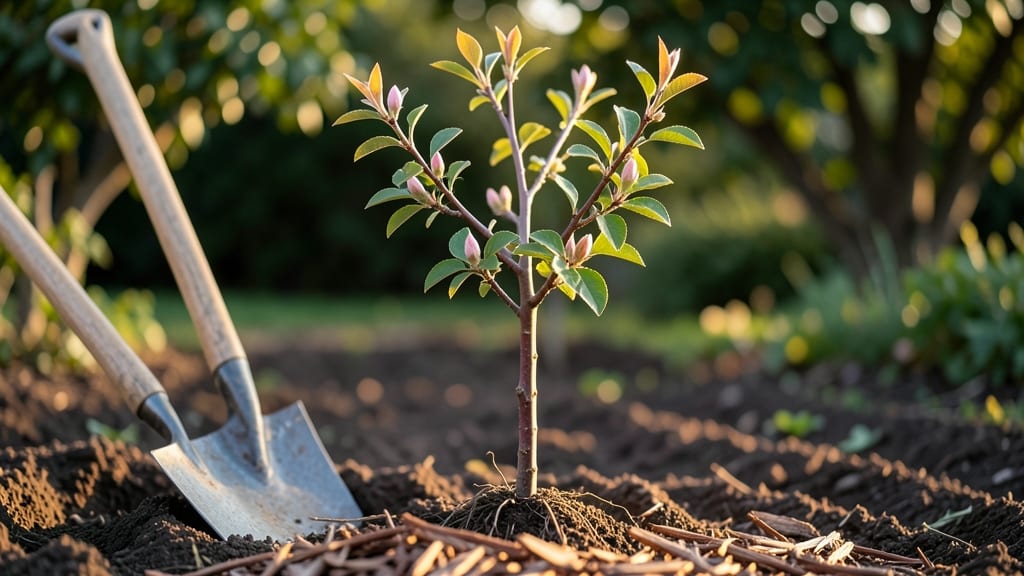
Here are the best peach tree planting tips to get fruit in just three years—start with the right spot and timing. 🌱 I learned the hard way that peaches hate soggy roots and late frosts—two mistakes that can kill a young tree before it even begins. it even gets a chance to bloom.
The secret lies in choosing a sunny, well-draining site with soil that’s loose enough to let roots spread without fighting compaction.
You’ll need a hole twice as wide as the root ball but no deeper, plus a 5-gallon bucket of compost mixed into the native soil. Set the tree so the graft union sits 2-3 inches above ground—this prevents rot while keeping the tree sturdy.
Mulch heavily with wood chips to lock in moisture and block weeds, but keep it 3 inches away from the trunk to avoid girdling.
Water deeply right after planting, then again every 5-7 days until roots establish—you’ll know it’s working when new leaves appear in 4-6 weeks. Prune only to remove broken branches; wait until spring to shape the tree.
Frost-sensitive varieties need winter protection, like wrapping the trunk in burlap once temps drop below 25°F.
Cross-pollination is the final piece: plant a second variety within 50 feet for reliable fruit set. With the right site and care, your tree will flower in 2 years and produce 50+ pounds of peaches by year three. Now let’s dig in!
📚 In This Guide
- What you need
- Instructions
- Tips and common mistakes
- Wrapping up and next steps
What you need
- ● Peach tree sapling: Choose a dwarf, semi-dwarf, or standard variety (based on space). Look for 1-2 year old bare-root or potted trees in early spring or late winter.
- ● Shovel or spade: A sharp, sturdy digging tool (18-24" wide) for planting holes.
- ● Pruning shears or saw: Bypass pruners (for small branches) or a hand saw (for thicker stems). Sterilize with rubbing alcohol!
- ● Garden hose or watering can: 1+ gallons per tree for initial watering.
- ● Organic compost or well-rotted manure: 5-10 lbs to enrich the soil.
- ○ Mulch (optional but recommended): 2-3 inches of wood chips or straw to retain moisture and suppress weeds.
- ○ Tree stakes & ties (optional): 2-3 stakes and soft fabric ties for young, unstable trees.
- ● Sunlight: Full sun (6-8+ hours/day)—peaches love basking!
- ● Soil: Well-draining, slightly acidic (pH 6.0-6.5). Test your soil or amend with sulfur or peat moss if needed.
- ● Space: Dwarf trees: 8-10 ft apart
- ● Semi-dwarf trees: 15-20 ft apart
- ● Standard trees: 25+ ft apart
- ● Cross-pollination: Plant two compatible varieties (e.g., ‘Elberta’ + ‘Redhaven’) if you want fruit!
- ● Frost protection: Check your USDA Hardiness Zone (peaches thrive in Zones 5-9; younger trees need winter wrap in colder areas).
Step-by-Step guide for planting a peach tree
Here's my foolproof method for getting your peach tree off to a strong start—no guesswork, just reliable growth.
🌱 Step 1: Choose the Right Location and Prepare the Soil
Peach trees thrive in full sun, so pick a spot that gets at least 6-8 hours of direct sunlight daily. Avoid low-lying areas where cold air settles, as peaches are sensitive to late spring frosts. The soil should drain well—peaches hate soggy roots.
Before planting, loosen the soil to a depth of 18-24 inches with a shovel or tiller. Work in a 2-3 inch layer of compost to improve fertility and drainage. You'll know the soil is ready when it crumbles easily in your hands and doesn't stick together when squeezed.
🪴 Step 2: Dig the Planting Hole and Position the Tree
Dig a hole that's twice as wide as the root ball but no deeper—this encourages roots to spread outward rather than settling too low. If your soil is heavy clay, add a handful of sand or perlite to the bottom of the hole to improve drainage.
Gently remove the tree from its container and tease out any circling roots with your fingers. Place the tree in the hole so the top of the root ball sits 1-2 inches above ground level. This prevents water from pooling around the trunk, which can cause rot. Backfill with the amended soil, tamping lightly as you go.
💧 Step 3: Water Thoroughly and Mulch Properly
Water the tree deeply right after planting—10-15 gallons should soak the soil to a depth of 12-18 inches. You'll see water running out of the hole before it fully absorbs; this means the roots are getting the moisture they need to establish.
Spread a 3-inch layer of mulch (like wood chips or straw) around the base, keeping it 3 inches away from the trunk to prevent rot. Mulch helps retain moisture and regulate soil temperature, but too much can smother the roots. Replenish mulch as it breaks down over the seasons.
☀️ Step 4: Support the Tree and Monitor Early Growth
Young peach trees need support to grow straight. Install a stake or bamboo pole next to the tree and loosely tie the trunk to it with soft fabric strips (like old T-shirts). Avoid wire or anything that can cut into the bark as the tree grows.
Watch for new leaves in 4-6 weeks—this is your sign the tree is settling in. Water once a week during dry spells, giving the soil a good soak until water runs out the bottom of the hole. Avoid overhead watering to prevent fungal diseases.
✂️ Step 5: Prune for Shape and Health in Early Spring
When the tree enters dormancy in late fall or early winter, prune to remove any dead, crossing, or diseased branches. Cut just outside the branch collar (the swollen area where the branch meets the trunk) to encourage proper healing.
Open the center of the tree slightly to improve airflow and sunlight penetration. You'll see stronger growth and fewer pest issues in the following seasons. Avoid heavy pruning in the first year—just shape it gently to encourage a sturdy structure.
Tips & tricks for thriving peach trees
Planting a peach tree is just the beginning—these simple tricks will help you avoid common pitfalls and set your tree up for success from day one.
Soil Test First: Before planting, grab a handful of your garden soil and squeeze it tightly in your palm. If it forms a hard clump that doesn't break apart easily, you'll need to amend it with more compost or sand. Peach trees need soil that drains well but still holds moisture—think of it like a well-draining sponge rather than concrete. In Step 1, when you're loosening the soil to 18-24 inches, add an extra inch of compost if your soil feels dense. This small adjustment prevents root rot and gives your tree the perfect foundation.
Root Ball Prep: When you remove the tree from its container in Step 2, don't just drop it in the hole! Gently massage the root ball with your fingers to loosen any circling roots. These roots can strangle your tree as it grows. If you notice any roots growing in tight circles, carefully untangle them—this simple step prevents future growth problems. Also, make sure the root ball stays intact while you're planting; breaking it up can shock the tree.
Watering Wisdom: That 10-15 gallons of water in Step 3 might seem like a lot, but it's crucial for establishing your tree. Here's the trick: after watering, wait about 30 minutes, then water again if you see water pooling on the surface. This ensures the water penetrates deeply to where the roots need it most. In dry climates, consider adding a soaker hose near the base to keep the soil consistently moist during the first growing season.
Mulch Matters: The 3-inch layer of mulch in Step 3 isn't just decoration—it's a protective blanket for your tree's roots. But here's what nobody tells you: refresh that mulch every spring before new growth starts. As mulch breaks down, it loses its insulating properties. Plus, keep that mulch pulled back 3 inches from the trunk to prevent rot. Think of it like a cozy winter hat for your tree's roots.
Pro Tips for Peach Tree Planting Tips
- Planting a peach tree is just the beginning—these simple tricks will help you avoid common pitfalls and set your tree up for success from day one.
- Soil Test First: Before planting, grab a handful of your garden soil and squeeze it tightly in your palm.
- Root Ball Prep: When you remove the tree from its container in Step 2, don't just drop it in the hole!
Frequently asked questions
Got questions about growing your own peach tree? You’re not alone! Here are answers to the most common concerns to help you plant and care for your tree with confidence.
When is the best time to plant a peach tree?
The ideal time to plant a peach tree is in early spring (just before buds break) or late fall (6-8 weeks before the first frost). This gives roots time to establish before extreme heat or cold. Avoid planting in summer—hot weather stresses young trees.
How far apart should I space peach trees?
Space peach trees 15-20 feet apart for dwarf varieties and 25-30 feet apart for standard trees. Proper spacing ensures airflow, reduces disease risk, and allows branches to grow without crowding. If space is limited, choose dwarf or semi-dwarf varieties.
Why are my peach tree leaves turning yellow?
Yellow leaves often signal nutrient deficiencies (like nitrogen or iron), overwatering, or root rot. Check soil moisture—peach trees prefer well-draining soil. If the problem persists, test soil pH (ideal: 6.0-7.0) and amend with compost or fertilizer as needed.
Can I grow a peach tree in a container?
Yes! Dwarf peach trees thrive in large containers (at least 18-24 inches wide) with drainage holes. Use a high-quality potting mix and repot every 2-3 years. Place the container in full sun (6+ hours daily) and water consistently. Just know fruit yield may be smaller than in-ground trees.
Do peach trees need winter protection?
Young peach trees (under 3 years) benefit from mulch (2-3 inches of straw or wood chips) to insulate roots. In harsh climates, wrap the trunk with tree wrap to prevent sunscald. Mature trees usually handle winter well, but late frosts can damage blossoms—consider frost cloth if you’re in a risky zone.
Wrapping up and next steps
Planting a peach tree is a rewarding journey that yields delicious fruit in just a few years—with the right care, you’ll be enjoying juicy, homegrown peaches in no time! 🍑 From choosing the perfect variety to nurturing strong roots and pruning for optimal growth, these tips set you up for success.
Now that you’re armed with knowledge, take the next step: mark your calendar for planting season, gather your supplies, and dig in—your future peach harvest is waiting!
💡 Pro Tip: Keep a gardening journal to track progress, soil conditions, and pruning notes. Happy planting—your tree (and taste buds) will thank you!