
Plants
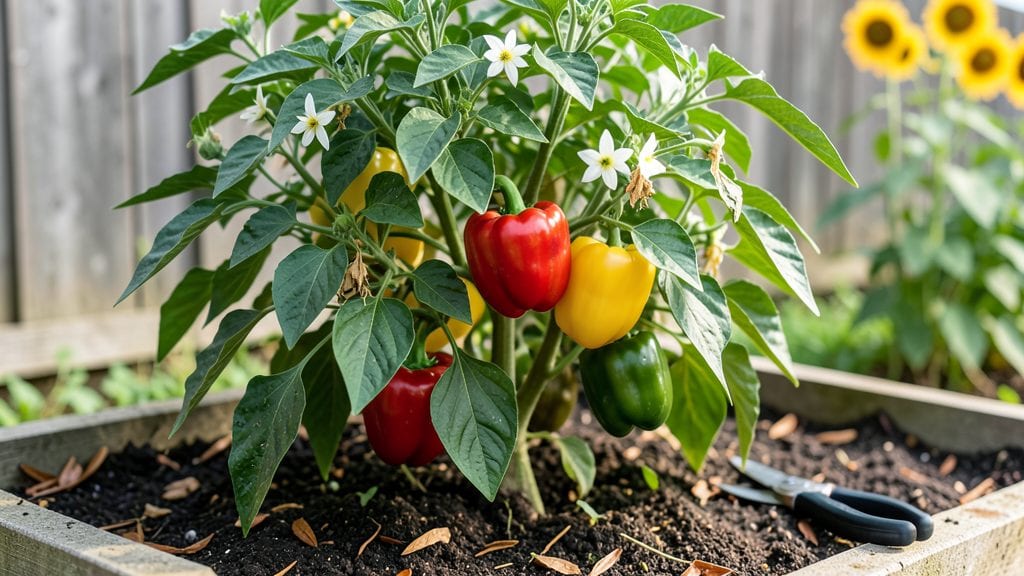
A pepper plant identifier can save you from culinary confusion—just look for the subtle clues that turn a mystery plant into a labeled harvest. 🌱 That’s happened to me more times than I’d like to admit—until I learned the telltale signs that separate bell peppers from jalapeños, or chiles from tomatoes.
This guide cuts through the confusion with visual cues you can trust, so you’ll never guess wrong again.
The key is in the details: leaf shape, fruit color, and plant structure. A bell pepper’s broad leaves and thick stems look nothing like a slender jalapeño’s narrow foliage, while habaneros sport tiny, waxy leaves and fiery red blooms.
I’ll show you how to spot these differences in seconds, plus how to avoid common mix-ups with tomatoes or eggplants.
By the end, you’ll identify your plants with confidence—whether it’s a sweet banana pepper or a spicy ghost pepper—and know exactly what to expect from each variety. No more second-guessing at harvest time. Let’s get those plants named!
Works for gardeners, farmers' market shoppers, or anyone who’s ever wondered, "What in the world is this?" while holding a pepper. Here’s your visual cheat sheet.
Common Causes Of Misidentification
Identifying pepper plants can be tricky—especially when they share similar leaves, flowers, or fruit shapes. But don’t worry! Most mix-ups stem from a few key factors. Understanding these will help you spot the differences like a pro. Let’s break down why misidentification happens and how to avoid it.
Pepper plants often get lumped together because their leaves can look eerily similar at first glance. However, subtle differences in leaf shape, serration, and color can reveal the true variety.
- Serration style: Some peppers (like jalapeños) have jagged, saw-toothed edges, while others (like bell peppers) have smoother, wavy edges.
- Leaf texture: Habanero leaves are often hairier and more lobed, whereas bell pepper leaves are broader and smoother.
- Color variations: Young leaves may start green but shift to purplish or reddish hues in varieties like shishito or cherry peppers.
💡 Pro Tip: Compare leaves side by side—hold them up to natural light to spot differences in vein patterns or glossiness.
Many gardeners assume a pepper’s heat level or type based on its unripe color, but this is a common mistake. Peppers change dramatically as they mature.
- Green vs. ripe: A jalapeño left on the vine turns from green to red, while a bell pepper may stay green or shift to yellow, orange, or red depending on the variety.
- Size deception: A serrano pepper can look like a tiny jalapeño when unripe but packs 2-5x the heat when fully grown.
- Shape shifts: Fish peppers start blocky but become elongated and curved as they ripen.
🔥 Hot Tip: Always check flower structure—jalapeños and serranos have small white flowers, while bell peppers often have larger, more open blooms.
Not all peppers grow the same way. Some sprawl, others stand tall, and a few even climb. Ignoring these traits can lead to big identification errors.
- Bush vs. vine growth: Bell peppers typically grow in compact bushes, while habaneros often vine outward aggressively.
- Branch patterns: Poblano peppers grow in clusters along the stem, whereas cayenne peppers may have solitary fruits.
- Root systems: Some peppers (like shishitos) have shallow roots, while others (like ancho peppers) develop deeper, more robust structures.
✨ Garden Hack: Observe how the plant spreads and supports itself—this can be a dead giveaway for varieties like chili peppers vs. sweet peppers.
Where and how a pepper grows can drastically alter its appearance, leading to confusion.
- Sun exposure: Peppers grown in partial shade may develop lighter green or yellowish leaves, mimicking different varieties.
- Soil differences: Nutrient-rich soil can make peppers grow larger or more vibrant, while poor soil may stunt growth, making them look like a different type.
- Climate effects: In cooler regions, bell peppers might stay green longer, while in warmer climates, they’ll ripen to red or yellow faster.
🌡️ Climate Check: If a pepper looks "off," consider whether temperature or sunlight might be altering its natural traits.
Even digital tools aren’t perfect! Pepper plant identifiers (like apps or AI) can misread images due to:
- Low-resolution photos: Blurry or poorly lit images hide key details like leaf veins or fruit texture.
- Partial views: If only the fruit is shown (without leaves or flowers), the app may guess incorrectly.
- User error: Uploading a close-up of a single leaf instead of the whole plant skews results.
🎯 Tech Tip: Always snap full-plant photos in good light, including leaves, flowers, and fruit for the best accuracy.
Sometimes, our brains fill in the gaps based on what we expect to see—not what’s actually there.
- Preconceived notions: If you’re used to red bell peppers, you might overlook a yellow or orange variety growing in your garden.
- Branding confusion: Store-bought peppers are often labeled, but homegrown ones lack tags—leading to guesswork.
- Cultural assumptions: In some regions, peppers are grouped by heat level rather than type, causing mix-ups (e.g., assuming all small red peppers are habaneros).
💡 Mindset Shift: Approach identification without assumptions—always verify with multiple plant features, not just one trait.
Stress from pests or illness can alter a pepper’s appearance, making it look like a different variety.
- Viral or bacterial spots: Pepper mosaic virus causes yellowing and distortion, making leaves look like those of a different species.
- Insect damage: Aphids or spider mites can curl leaves, mimicking the natural shape of another pepper.
- Fungal infections: Powdery mildew creates a white coating, making peppers look pale or sickly compared to healthy varieties.
🛡️ Prevention Tip: Keep your plants healthy with proper spacing, watering, and organic pest control to avoid misidentification due to damage.
If your garden has multiple pepper varieties, cross-pollination can create unexpected hybrids that defy easy identification.
- Unexpected traits: A jalapeño crossed with a bell pepper might produce a fruit that’s neither hot nor sweet.
- Genetic surprises: Some peppers self-pollinate, while others need help from bees—leading to unpredictable offspring.
- Seed-saving risks: If you save seeds from mixed plants, the next generation may look nothing like the parent.
🌱 Garden Rule: To avoid hybrids, keep pepper varieties separated by at least 500 feet or use pollination barriers.
Misidentification happens when we focus on one trait (like color or size) instead of the whole plant. The best way to avoid errors? Study multiple features—leaves, flowers, fruit shape, growth habit, and even scent.
Next time you’re unsure, grab a notebook and document everything. Over time, you’ll train your eye to spot the subtle clues that make each pepper unique! 🕵️♂️🌶️
Quick fixes for pepper plant puzzles
Got a pepper plant that’s got you scratching your head? 🌶️ Whether it’s an unidentified leaf shape, a mystery fruit, or a plant acting out of character, here’s your step-by-step guide to solving the puzzle—fast.
Before diving into complex fixes, rule out the obvious. Identify your pepper plant using these quick checks:
- Leaf Shape & Texture: Smooth or jagged edges? Broad or narrow? Take a photo and compare it to a pepper plant identifier tool (like the one from Gardeners.com or PlantNet). - Fruit Color & Shape: Bell peppers? Jalapeños?
Habaneros? Note the color stages (green → red/yellow) and whether the pepper is blocky, tapered, or wrinkled. - Growth Habit: Is it bushy, vining, or trailing? Some peppers (like banana peppers) grow upright, while others (like cherry peppers) sprawl.
> 💡 Pro Tip: Use your phone’s camera to zoom in on key features—close-ups of veins, leaf undersides, or fruit stems can be game-changers in identification!
Once you’ve identified your plant (or suspect a specific issue), here’s how to address common fixes:
🍃 Yellow or drooping leaves
Cause: Overwatering, underwatering, or nutrient deficiency. Fix It: - Check the soil: Stick your finger 1–2 inches deep. If it’s soggy, your plant’s drowning.
If dry, it’s thirsty. - Adjust watering: Water only when the top inch of soil is dry. Use well-draining pots with drainage holes. - Fertilize: Feed with a balanced 10-10-10 fertilizer (or compost) every 4–6 weeks during growing season.
> 🔥 Quick Fix: If leaves are crispy at the edges, it’s underwatered. If they’re yellow and mushy, it’s overwatered.
🐛 Pests attacking your peppers
Cause: Aphids, spider mites, or whiteflies sucking the life out of your plant. Fix It:
- Isolate the plant to prevent spreading.
- Spray with neem oil (1 tsp per quart of water) or insecticidal soap.
Reapply every 5–7 days. - Introduce beneficial insects: Ladybugs or lacewings eat pests naturally.
> 🎯 Prevention Tip: Inspect new plants before bringing them indoors. Quarantine for a week to catch hitchhiking bugs early.
🌡️ Peppers not ripening
Cause: Too much shade, inconsistent temperatures, or over-fertilizing with nitrogen. Fix It: - Move to full sun (6–8 hours daily).
South-facing windows or grow lights work for indoors. - Harvest early: Pick peppers when they’re still green if you’re in a short season—they’ll ripen off the vine in a warm, dry place. - Balance fertilizers: Switch to a low-nitrogen, high-phosphorus feed (like 5-10-10) to encourage fruiting.
> ✨ Bonus: Red peppers have more vitamin C than green ones—let them ripen fully for maximum nutrition!
🌱 Stunted growth or no flowers
Cause: Lack of sunlight, poor soil, or transplant shock. Fix It:
- Repot if needed: Use fresh, well-draining potting mix with perlite or vermiculite.
- Prune strategically: Trim leggy stems to encourage bushier growth (but leave flowers/fruit intact).
- Pollinate by hand: Gently shake plants or use a small brush to transfer pollen if flowers aren’t setting fruit.
> 💡 Pro Tip: If growing indoors, rotate pots weekly so all sides get even light.
🍅 Blossom end rot (black spots on fruit)
Cause: Calcium deficiency, often from uneven watering. Fix It:
- Water consistently: Keep soil moist but not waterlogged.
- Add crushed eggshells or a calcium supplement (like gypsum) to the soil.
- Harvest affected peppers early—they’re still edible (just trim the rotten bits).
> 🌡️ Prevention: Mulch around plants to retain moisture and reduce temperature swings.
If your pepper plant is still a mystery after these steps:
- Post photos in gardening forums (like Reddit’s r/Gardening or GardenWeb).
- Visit a local nursery: Staff often recognize regional varieties.
- Use a plant ID app: Try PlantSnap or Google Lens to scan leaves/fruit.
Remember: Most pepper plant puzzles have simple solutions—just match the symptom to the fix! With a little detective work, you’ll be growing (and identifying) like a pro. 🕵️♂️🌶️
Frequently asked questions
How can I tell the difference between a jalapeño and a serrano pepper?
Look at the leaf shape and fruit size: Jalapeños have broader leaves with smoother edges, while serranos grow narrower leaves with jagged serrations. Serrano peppers are also 2-3x smaller (1-2 inches long) and pack 2-5x the heat when fully ripe. Check the flowers too—serranos have tiny white blooms compared to jalapeño's slightly larger ones.
Why does my pepper plant have leaves that look like tomatoes?
Some pepper varieties (like tomato peppers) share similar leaf shapes with tomatoes, but peppers have hairier stems and less pronounced veins. The key difference: Peppers grow small white flowers while tomatoes have yellow flowers. If you're still unsure, check the fruit—peppers stay green longer unless they're heat varieties.
Can I use a phone app to identify my pepper plant?
Yes! Apps like PlantSnap or Google Lens work well, but for best results, take multiple photos showing leaves, flowers, and fruit in natural light. Avoid close-ups—include the whole plant to help the AI distinguish between similar varieties. Pro tip: Snap pictures on a sunny day to highlight color differences.
What should I do if my pepper plant looks diseased?
Start by isolating the plant to prevent spread. Check for yellowing leaves (nutrient deficiency), spots (fungal infection), or curled leaves (pests). For fungal issues, remove affected leaves and spray with neem oil. If pests are the problem, try insecticidal soap. Always test solutions on a small area first to avoid damaging healthy plants.
How do I know when my pepper is fully ripe?
Ripeness depends on the variety: Sweet peppers (like bells) change from green to red/yellow/orange, while hot peppers (like habaneros) turn bright red or orange. For heat varieties, the color shift is dramatic—wait until the pepper reaches its final hue. For sweet peppers, you can harvest when firm and fully colored, but they'll sweeten more if left longer on the vine.