
Pests
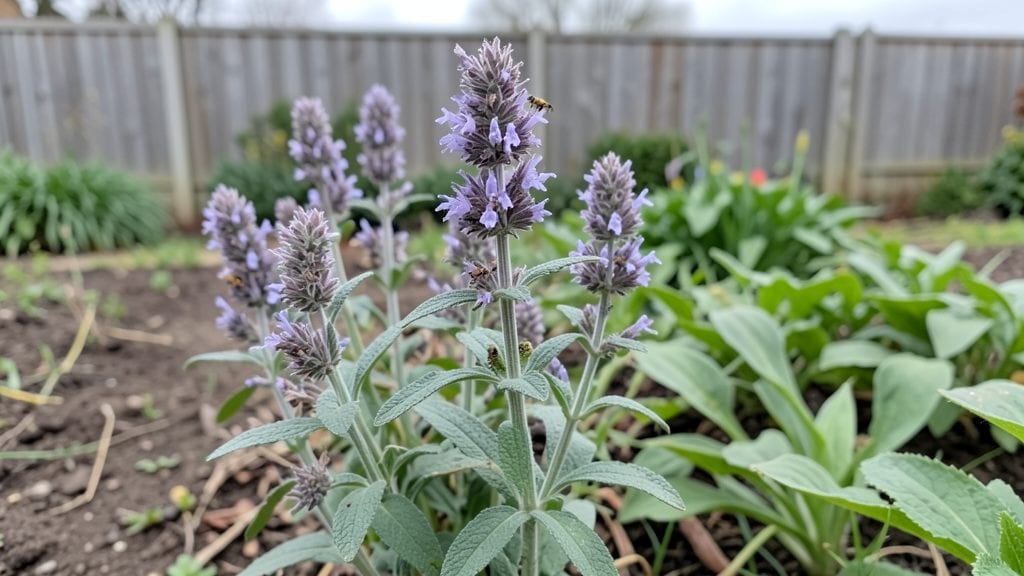
Pest-controlling plants are the unsung heroes of any garden, quietly keeping pests at bay without chemicals. 🌱 I remember my first tomato plant getting devoured by aphids—until I planted marigolds nearby and watched the problem vanish.
These plants don’t just repel pests; they create a balanced ecosystem where beneficial insects thrive alongside your vegetables.
Marigolds, basil, and lavender top the list, but even simple herbs like mint or thyme can make a difference. The key is strategic placement—pairing pest-controlling plants with vulnerable crops like tomatoes, peppers, or cabbage.
This method works for beginners and seasoned gardeners alike, requiring minimal effort beyond planting and occasional pruning.
You’ll notice fewer pests within weeks, and your plants will grow stronger with less stress. The best part? No sprays, no residues, just nature’s way of keeping things in check. Plus, these plants often add beauty and fragrance to your garden, making them a win-win solution.
Works in raised beds, in-ground plots, or even containers—no matter your space, these plants adapt. Let’s get your garden protected the natural way!
Why Pests Target Plants
Pest-controlling plants don’t just repel insects by magic—they do it through a mix of chemical warfare, ecological relationships, and environmental cues. Understanding why pests are drawn to some plants (and repelled by others) helps you strategize smarter garden defenses. Here’s the science behind the chaos:
Plants emit volatile organic compounds (VOCs)—think of them as invisible scent signals—that either invite or deter pests. Some plants, like basil or mint, produce monoterpenes (e.g., limonene, menthol), which disrupt pests’ nervous systems or mask the smells of their favorite food plants.
Others, like marigolds, release pyrethrins, a natural insecticide that paralyzes pests on contact.
Why it happens:
- Pheromone mimicry: Some pests (like aphids) are tricked into thinking pest-repelling plants are mates or food sources, leading them to overcommit to the wrong plant.
- Taste aversion: Compounds like quinones in rue or alkaloids in tobacco plants make pests gag after one bite, teaching them to avoid the plant entirely.
- Disrupting trails: Plants like lemongrass emit citral, which scatters ants’ pheromone trails, making them lose their way to your prized veggies.
Pro tip: 💡 Crush leaves of pest-controlling plants (like lavender or rosemary) to release more VOCs—it’s like turning up the "repel" volume!
Pests don’t wander randomly—they follow host plants they’ve evolved to eat. If your garden has a buffet of vulnerable plants (e.g., tomatoes for hornworms, roses for Japanese beetles), pests will ignore nearby pest-repelling plants unless they’re desperate.
But here’s the twist: intercropping (mixing plants) confuses pests by breaking up their "smell maps."
Why it happens:
- Monoculture magnet: Large patches of a single plant (like a vegetable garden) act like a neon sign for pests. Adding companion plants (e.g., nasturtiums near cucumbers) scatters their attention.
- Root competition: Some pest-repelling plants (like garlic) release allicin, which suppresses the growth of nearby plants—including weeds that pests might otherwise munch on.
- Predator confusion: Aphids, for example, struggle to find their favorite host (like roses) when surrounded by chives or garlic, which emit smells that disrupt their landing patterns.
Pro tip: ✨ Plant pest-controllers in a 3:1 ratio (3 vulnerable plants : 1 repeller) to create a "buffer zone" without overwhelming your garden’s layout.
Stressed plants emit distress signals that can attract pests—think of it like a plant screaming, "Eat me before I die!" Drought, poor soil, or disease weakens a plant’s defenses, making it more appealing to herbivores.
Pest-repelling plants, however, often thrive in harsh conditions, making them resilient shields for their neighbors.
Why it happens:
- Water stress signals: Drought-stressed plants release jasmonic acid, which can attract pests like spider mites. In contrast, drought-tolerant repellers (e.g., oregano, thyme) stay strong and keep emitting their protective VOCs.
- Nutrient competition: Pests target nutrient-rich plants. Pest-repelling plants like comfrey (a dynamic accumulator) steal nitrogen from the soil, making nearby plants less appetizing.
- Temperature tolerance: Cool-weather pests (like cabbage worms) avoid plants like basil, which thrive in heat and emit compounds that make the environment feel "too hot" for them.
Pro tip: 🌡️ Monitor soil moisture—overwatering can drown out pest-repelling plants’ natural defenses by diluting their root-exuded chemicals.
Some pest-repelling plants harbor beneficial microbes that outcompete or directly harm pests. For example, neem trees host fungi that produce azadirachtin, a compound toxic to over 200 insect species. Meanwhile, plants like chives encourage soil bacteria that produce sulfur compounds, which deter root-feeding pests.
Why it happens:
- Antibacterial/antifungal effects: Plants like garlic release allicin, which disrupts the gut bacteria of pests like Japanese beetles, leading to starvation.
- Soil suppression: Marigolds release alpha-terthienyl, a compound that kills nematodes (microscopic soil pests) and prevents them from attacking roots.
- Fungal allies: Some pest-repelling plants (like wormwood) host endophytic fungi that produce toxins harmful to insects but harmless to humans.
Pro tip: 🔥 Plant neem or tansy near high-risk areas—their microbial partnerships create a living pesticide factory in your soil.
Pest behavior shifts with the seasons, and some repelling plants are most effective at specific times. For instance, lavender peaks in moth-repelling power during summer blooms, while wintergreen (a ground cover) deters slugs in damp spring conditions. Planting the right repeller at the right time maximizes its impact.
Why it happens:
- Seasonal VOC fluctuations: Pyrethrin levels in chrysanthemums spike in late summer, coinciding with peak mosquito and fly activity.
- Life cycle disruption: Dill and fennel attract parasitic wasps that lay eggs in pests like aphids—timing their planting ensures the wasps arrive after the pests have settled in.
- Day-night cycles: Nocturnal pests (like moths) are repelled by night-blooming jasmine, which emits stronger fragrances after sunset.
Pro tip: ⏰ Check your region’s pest peak seasons—then plant repellers 4–6 weeks early to give their defenses time to build.
Natural Fixes For Common Garden Pests
Now that you know why pests invade your garden, let’s tackle how to stop them—without harsh chemicals! 🌿🛡️ These solutions focus on pest-controlling plants and simple, eco-friendly strategies to reclaim your garden. Below, we’ve mapped common problems to easy fixes, plus tips to keep pests away for good.
Cause: Drawn to sweet sap, protein-rich plants, or moisture. Fix:
- Plant marigolds, tansy, or mint near entry points—ants dislike their strong scents.
- Sprinkle diatomaceous earth (food-grade) along trails to dehydrate them naturally.
- Prevention: Keep sugar sources (like fallen fruit) cleaned up and use citrus peels as a natural repellent.
Cause: Soft-bodied pests that cluster on new growth, sucking sap. Fix:
- Introduce ladybugs (buy or attract them with dill, fennel, or yarrow).
- Spray with soapy water (1 tsp mild soap + 1 quart water) to dislodge them.
- Plant nasturtiums or garlic nearby—they repel aphids with their pungent aroma.
- Prevention: Encourage parasitic wasps (their natural predators) by avoiding broad-spectrum pesticides.
Cause: Nocturnal, moisture-loving pests that leave slime trails. Fix:
- Create barriers with copper tape (slugs avoid the electric-like shock) or crushed eggshells.
- Plant slug-repelling herbs like thyme, rosemary, or wormwood around vulnerable plants.
- Handpick at night (use a flashlight and drop them in soapy water).
- Prevention: Water plants at the base (not overhead) to reduce humidity, and mulch with sharp materials (like cedar chips).
Cause: Standing water attracts breeding mosquitoes. Fix:
- Plant citronella, lavender, or lemongrass—their oils deter mosquitoes naturally.
- Add a small bamboo fountain or floating plants (like water lilies) to ponds to disrupt breeding.
- Use a fan outdoors—mosquitoes are weak fliers and avoid wind.
- Prevention: Empty any stagnant water (even in plant saucers) weekly and plant basil or catnip near seating areas.
Cause: Herbivores are drawn to tender young shoots. Fix:
- Install a chicken wire fence (at least 2 feet tall) or use deer-resistant plants like foxglove, daffodils, or lavender.
- Spray plants with hot pepper wax (mix cayenne pepper + water + soap) for a spicy deterrent.
- Use motion-activated sprinklers to startle them away.
- Prevention: Rotate crops and plant strong-scented herbs (like rosemary or sage) as borders.
Cause: Tiny pests thrive in dry, dusty conditions, sucking plant juices. Fix:
- Spray with neem oil (1 tbsp per quart of water) to smother them.
- Introduce predatory mites (like Phytoseiulus persimilis)—they eat spider mites!
- Plant chives, garlic, or marigolds nearby to repel them.
- Prevention: Mist plants regularly to increase humidity and clean up debris where mites hide.
💡 Diversity is key: Plant a variety of species—pests target monocultures. 🌡️ Rotate crops annually to disrupt pest life cycles. ✨ Encourage beneficial insects (like bees, hoverflies, and lacewings) with native flowers. 🔥 Inspect new plants before bringing them home—quarantine for a week if needed. 🎯 Keep your garden healthy—strong plants resist pests better than stressed ones!
By combining repellent plants, natural sprays, and smart prevention, you’ll create a garden where pests think twice before crashing the party. 🚫🐛 Which pest are you battling first? Try one of these fixes and watch your green space thrive!
Frequently asked questions
Which pest-controlling plants work best for vegetable gardens?
Marigolds and basil are top choices—they repel aphids, whiteflies, and even rabbits. Plant marigolds near tomatoes to deter nematodes, while basil near peppers keeps flies away. For root vegetables, try chives or garlic—their strong scent confuses pests like carrot flies.
Can pest-repelling plants harm beneficial insects like bees?
Most won’t, but some strong-scented plants (like mint or lavender) may deter bees if planted too close. Choose bee-friendly options like borage or dill, which repel pests while attracting pollinators. Always plant repellers away from flowering crops to avoid conflicts.
How long does it take to see results after planting pest-controlling plants?
Results vary, but you’ll often notice a difference within 2–4 weeks. Fast-acting options like marigolds (with pyrethrins) work in days, while slower options like rosemary need time to establish strong roots. Consistency is key—keep plants healthy for maximum protection.
Do pest-repelling plants work indoors?
Yes! Herbs like mint, basil, and lavender thrive in pots and repel pests like fruit flies or ants. Place them near windows or entry points. For larger spaces, try citronella or lemongrass in containers—their oils deter mosquitoes naturally.
What’s the best way to maximize pest-repelling effects?
Crush leaves occasionally to release more scent, and rotate plants seasonally. For example, plant marigolds in summer (for beetles) and garlic in spring (for slugs). Pair repellers with vulnerable plants in a 3:1 ratio (e.g., 3 tomato plants + 1 basil).