
Companion Plants
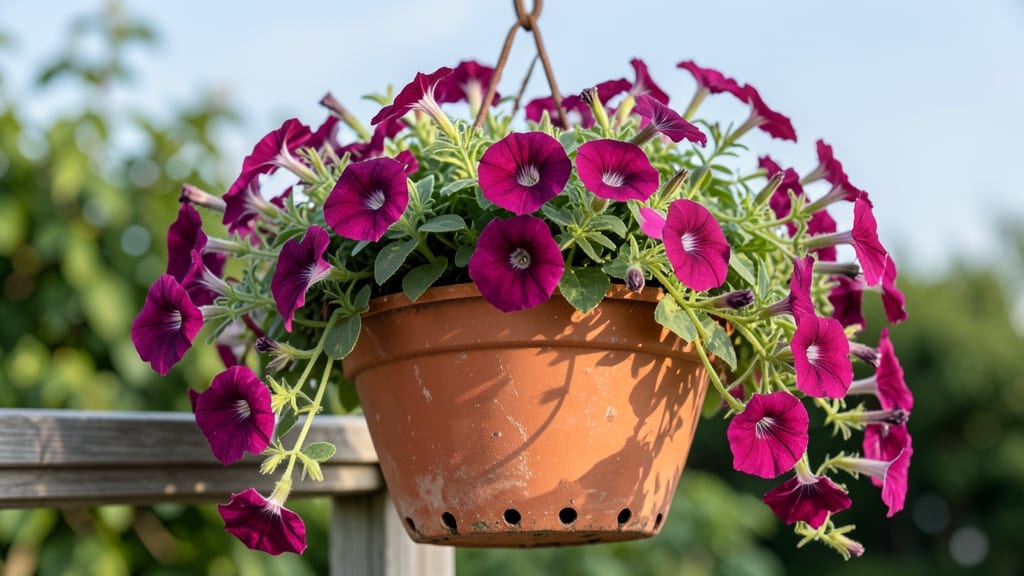
Growing Petunia Surfinia plants transforms any hanging basket into a vibrant waterfall of color that neighbors will envy. 🌿 I learned the hard way that these cascading beauties need specific care to thrive, but once you nail the basics—light, soil, and consistent watering—they reward you with blooms from spring until frost.
The key starts with well-draining soil mixed with perlite or coconut coir, and a sunny spot getting at least 6 hours of light daily. Surfinia petunias hate soggy roots, so containers with drainage holes are a must.
Feed them every 2 weeks with a balanced liquid fertilizer once blooms appear, and you’ll see those trailing vines stretch 3-5 feet long in just a few months.
Pruning spent blooms keeps flowers coming, and a light trim of leggy stems encourages bushier growth. The real secret? Deadheading regularly—it’s the difference between a basket that fades in August and one that stays lush and colorful until fall frost.
Even my black thumb can’t kill these when I follow these steps.
Perfect for balconies, porches, or trellises, Surfinia petunias adapt well to containers and even small spaces. Just avoid planting them where they’ll get afternoon shade, and you’ll have a showstopper that lasts all season. Ready to grow yours?
📚 In This Guide
- What you need
- Instructions
- Tips and common mistakes
- Wrapping up and next steps
What you need
- ● Petunia Surfinia seeds or seedlings: Choose from popular varieties like Surfinia Double Cascade or Surfinia Wave. Buy 5-10 plants for a full, lush display.
- ● Hanging baskets: Opt for 12-16" diameter baskets with drainage holes (2-3 baskets for a balanced look).
- ● High-quality potting mix: Use a well-draining, peat-based mix (e.g., Miracle-Gro Moisture Control) or add perlite for aeration.
- ● Slow-release fertilizer: A balanced 10-10-10 or 20-20-20 granular fertilizer (follow package rates).
- ● Watering can with a rose attachment: Ensures gentle, even watering without disturbing roots.
- ● Pruning shears: For trimming leggy stems or deadheading (sterilize with rubbing alcohol).
- ● Garden gloves: Protects hands from thorns (some varieties may have mild prickles).
- ● Epsom salt: 1 tbsp per gallon of water monthly for magnesium boost (enhances blooms!).
- ● Mulch (e.g., coconut coir or bark): Retains moisture and regulates temperature.
- ● Plant supports (e.g., tomato cages or stakes): For varieties that need extra structure.
- ● Liquid bloom booster: Like Fish Emulsion for a mid-season nutrient kick.
- ● Shade cloth (30-50% coverage): Protects from harsh afternoon sun in hot climates.
How to grow thriving Petunia Surfinia trails in hanging baskets
Here's my battle-tested method for cascading petunias that spill over edges with vibrant blooms all season.
🪴 Step 1: Select the Right Hanging Baskets and Prep Materials
Choose 14-16 inch diameter baskets with sturdy frames—plastic liners prevent root rot while allowing drainage. I always pre-soak the liner for 10 minutes before planting to ensure it's fully saturated and won't wick moisture away from roots. Line the basket with 2-3 inches of moisture-retentive liner material, smoothing out wrinkles that could trap air pockets where roots won't grow.
Fill the bottom third with 2-3 inches of lightweight potting mix, pressing gently to create a stable base. The reason for this layering is to prevent heavy blooms from pulling the plants out of the basket once they're established. You'll notice the liner will compress slightly under the weight—this is normal and ensures proper drainage.
🌱 Step 2: Plant Surfinia Petunias for Maximum Spill
Place 3-4 Surfinia petunia plants around the basket's edge, spacing them 4-6 inches apart. The key here is positioning them slightly higher than the basket's rim so their trailing stems can begin cascading immediately. Gently remove each plant from its nursery pot and tease apart the roots if they're circling—this encourages outward growth rather than root-bound stress.
Create a shallow dimple in the potting mix with your finger and nestle each plant in, covering the root ball completely but leaving the crown just above soil level. Press the soil lightly around the base to eliminate air gaps. You'll see the stems already beginning to trail over the edges—that's exactly what you want for that dramatic spill effect.
💧 Step 3: Water Thoroughly and Establish a Care Routine
Water immediately after planting until water runs freely from the drainage holes. This ensures the root balls settle and makes contact with the moist liner. For the first 7-10 days, keep the basket in partial shade to reduce transplant shock. You'll notice the liner will feel damp but not soggy—this is the ideal moisture level for establishing roots.
Once established, water daily in hot weather, allowing the top inch of soil to dry between waterings. The secret to Surfinia's continuous blooming is consistent moisture without waterlogging. I always water in the morning so foliage dries by evening, preventing fungal issues. Fertilize weekly with a balanced liquid fertilizer diluted to half strength to avoid burning tender new growth.
☀️ Step 4: Position for Optimal Light and Airflow
Place baskets where they receive 6-8 hours of morning sun with afternoon shade in hot climates. Surfinia petunias thrive with bright light but can scorch in intense afternoon heat. You'll see the plants respond within days—leaves will darken to a rich green and stems will thicken noticeably as they establish.
Rotate the basket quarter turn weekly to prevent one-sided growth. Good airflow is crucial—crowded baskets develop powdery mildew quickly. If you notice leaves yellowing or stems growing leggy, move to a slightly sunnier location. The ideal position gives you that perfect balance of vibrant blooms without heat stress.
✂️ Step 5: Maintain Blooms Through Deadheading and Pruning
Pinch back leggy stems to encourage bushier growth and more abundant blooms. I always use clean, sharp scissors to cut back stems just above a leaf node. This stimulates branching and prevents the plants from becoming top-heavy. You'll see new side shoots emerge within 7-10 days—this is your reward for proper pruning.
Deadhead spent blooms regularly to prevent seed formation, which diverts energy from flowering. I make it a habit to check for faded blooms every 2-3 days during peak bloom season. The continuous removal of spent flowers signals the plant to produce more blooms, keeping your basket looking lush and vibrant all season.
Tips & tricks for perfect Petunia Surfinia trails
Here's what I've learned through years of growing these stunning cascading petunias—these tricks will help you avoid common pitfalls and create show-stopping displays.
Liner Prep Secret: That 10-minute pre-soak of the liner in Step 1 isn't just about saturation—it's about preventing the liner from absorbing all the water meant for your plants' roots. I like to use a spray bottle to give it a final mist before planting, ensuring the liner stays moist but not waterlogged. This creates the perfect moisture reservoir for those delicate roots to establish quickly. The liner should feel damp like a wrung-out sponge, not dripping wet.
Plant Placement Hack: When positioning your 3-4 Surfinia plants in Step 2, imagine the basket is a clock. Place one plant slightly higher than the rim at the 12 o'clock position, then stagger the others around the edge. This creates that dramatic spill effect while ensuring even sunlight exposure. I've found that plants placed too low initially struggle to cascade properly—they get weighed down by their own stems before they've established roots.
Root Care Technique: In Step 2, when teasing apart those circling roots, be gentle—you're not trying to break them, just encourage outward growth. I use my fingers to gently separate the roots while holding the plant by the stem. This prevents root damage while creating that outward growth pattern that prevents top-heavy baskets. You'll notice the roots will naturally spread when they sense the open space around them.
Fertilizer Timing Strategy: That weekly fertilizer application in Step 3 is crucial, but timing matters. I always fertilize right after watering in the morning, which gives the roots time to absorb nutrients before the heat of the day. Using half-strength fertilizer prevents salt buildup in the potting mix, which can actually harm your plants over time. I've seen many gardeners over-fertilize, leading to leaf burn—this diluted approach keeps them thriving without the risk.
Pro Tips for Petunia Surfinia Plants
- Here's what I've learned through years of growing these stunning cascading petunias—these tricks will help you avoid common pitfalls and create show-stopping displays.
- Liner Prep Secret: That 10-minute pre-soak of the liner in Step 1 isn't just about saturation—it's about preventing the liner from absorbing all the water meant for your plants' roots.
- Plant Placement Hack: When positioning your 3-4 Surfinia plants in Step 2, imagine the basket is a clock.
Frequently asked questions
Got questions about growing Petunia Surfinia plants? You’re not alone! Here are some of the most common queries—plus quick, practical answers to keep your hanging baskets thriving.
How do I keep Surfinia petunias from getting leggy?
Leggy growth happens when plants stretch for light. Prevent it by:
- Placing baskets in bright, indirect sunlight (6+ hours/day).
- Pinching back tips early to encourage bushiness (use clean scissors!).
- Avoid overcrowding—thin seedlings if needed.
When is the best time to plant Surfinia petunias?
Timing matters! Start indoors 8–10 weeks before the last frost (or buy transplants in spring). For hanging baskets:
- Transplant after soil warms (50°F+) to avoid cold damage.
- In warm climates, plant fall through early spring for year-round blooms.
How often should I water Surfinia petunias?
These thirsty beauties need consistent moisture. Water:
- Daily in hot weather (check soil—top inch should be dry).
- Early morning to reduce evaporation and fungal risks.
- Use self-watering baskets or mulch to retain moisture.
What pests or diseases should I watch for with Surfinia petunias?
Common issues include:
- Spider mites: Tiny webs on undersides of leaves? Spray with water or neem oil.
- Powdery mildew: White dust on foliage? Improve airflow and avoid overhead watering.
- Aphids: Sticky residue? Blast off with water or use insecticidal soap.
Can I mix Surfinia petunias with other plants in a hanging basket?
Great companions include:
- Trailing plants: Lobelia, bacopa, or sweet potato vine.
- Upright fillers: Calibrachoa, verbena, or dusty miller.
- Avoid: Fast-growing vines (like morning glories) that’ll crowd Surfinia.
Wrapping up and next steps
Growing Petunia Surfinia plants is a rewarding way to add bursts of color and life to your garden or patio! 🌸 Their trailing beauty and low-maintenance nature make them perfect for hanging baskets, containers, or even as stunning spillers in window boxes.
Whether you're a seasoned gardener or just starting out, these vibrant blooms will bring joy and a touch of elegance to any space.
Ready to transform your outdoor area? Start by selecting your favorite Surfinia varieties and follow the simple care tips shared above. With a little love and attention, you’ll be enjoying a show-stopping display in no time!