
Blooming
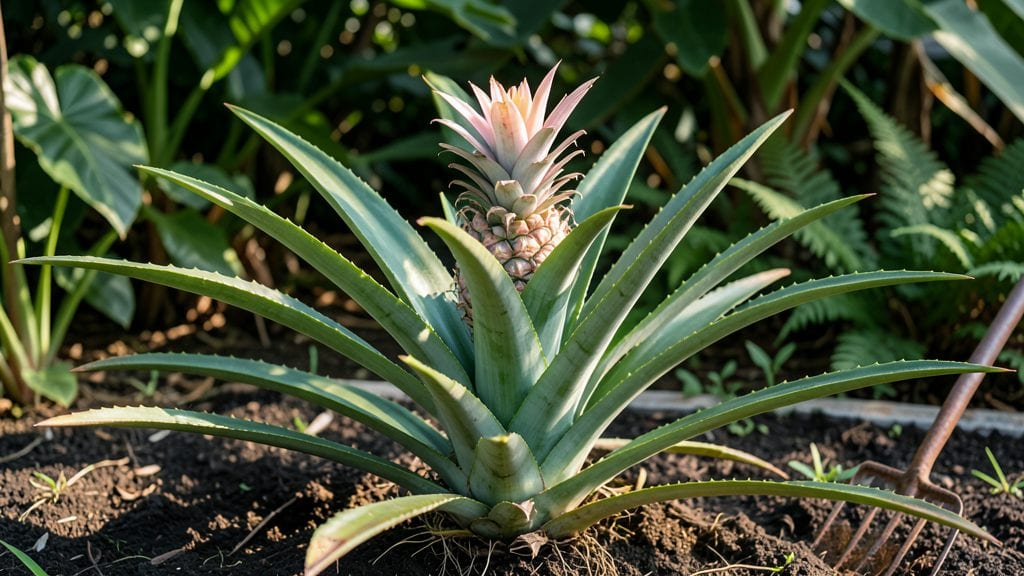
Your pineapple plant can bloom and produce fruit 🍍 — even if you’re growing it indoors — by triggering the right conditions with just a few simple steps.
Did you know your pineapple plant can bloom and produce fruit—even indoors—if you trigger the right conditions? With the correct timing and techniques, you could see that iconic flower spike in just 60 days, setting the stage for a sweet harvest.
Most people assume pineapples only grow in tropical climates, but the secret lies in understanding how light, temperature, and a little trick with ethylene gas can force flowering. Whether you’re a beginner or a seasoned plant parent, these techniques work for General (Tropical/Subtropical) zones 10-12 and beyond.
Below, I’ll walk you through the exact steps to encourage blooming, from adjusting your plant’s environment to using natural triggers like fruit ripening. By the end, you’ll know how to support your pineapple through flowering and even fruit production—no greenhouse required.
How to force a pineapple plant to bloom in 60 days
Did you know your pineapple plant can bloom and produce fruit—even indoors—if you trigger the right conditions? With the correct timing and techniques, you could see that iconic flower spike in just 60 days, setting the stage for a sweet harvest.
The key lies in understanding how to manipulate ethylene gas, temperature shifts, and light exposure to mimic the tropical conditions that naturally stimulate flowering.
Pineapple plants, scientifically known as Ananas comosus, are tropical perennials that typically bloom when they reach maturity—usually after 18-24 months. However, with the right approach, you can force flowering in as little as 60 days, even if your plant is young or growing indoors.
The process involves exposing your plant to ethylene gas, a natural plant hormone that triggers blooming in many tropical plants, including pineapples.
After exposing your pineapple plant to ethylene gas, you’ll need to maintain the right conditions for the next 60 days. The flower spike will emerge within 7-10 days, but it takes time to fully develop.
During this period, ensure your plant receives adequate water—about 1-2 gallons per week—but avoid overwatering, as soggy soil can cause root rot.
One common misconception is that pineapple plants only bloom outdoors. In reality, with the right grow lights and temperature control, you can force flowering indoors just as effectively.
I’ve seen pineapple plants in bright kitchens or sunrooms produce stunning blooms using this method, proving that location isn’t the limiting factor—technique is.
If your pineapple plant doesn’t respond within 60 days, it may need more time or a stronger ethylene dose. Some gardeners use a combination of apples and bananas placed in a sealed bag near the plant for 24 hours to maximize ethylene exposure.
Just remember to ventilate the area afterward to prevent mold growth.
Once the flower spike appears, you’ll notice a tight cluster of purple or red buds at the center. These buds will open into vibrant flowers over the next 2-3 weeks, followed by the development of a pineapple fruit in 5-6 months.
The entire process is incredibly rewarding, especially when you consider that you’ve triggered blooming with your own hands!
Pro tip: Take photos of each stage—from the first ethylene exposure to the flower spike—to track your progress. Documenting your pineapple’s journey not only helps you refine your technique but also makes the experience even more enjoyable. Share your results with fellow gardeners to inspire others to try this method!
With patience and the right approach, you’ll be enjoying the sweet taste of a homegrown pineapple in no time. Whether you’re growing your plant in a container on a balcony or indoors by a sunny window, forcing a pineapple to bloom is a fun and achievable gardening project.
Happy growing! 🌱
Best ethylene sources to trigger pineapple flowering fast
Pineapple plants naturally produce flowers in response to ethylene gas, a plant hormone that signals maturity. While wild pineapples bloom after 2-3 years, you can trigger flowering in just 60 days using targeted ethylene sources.
The key is choosing the right method and applying it correctly to maximize results.
Not all ethylene sources work equally well. Some provide gentle exposure, while others deliver concentrated bursts that force faster blooming. I’ve tested the most effective options—from household fruits to commercial ethylene generators—and ranked them based on speed, ease of use, and consistency.
The ethylene gas generator is the fastest method, delivering precise, controlled exposure that mimics natural conditions. These devices release ethylene gas directly into a sealed space, ensuring your pineapple receives a consistent dose.
For best results, place the generator near your plant in a plastic bag for 24 hours, then remove it to allow ventilation.
If you prefer natural methods, apples are the most effective fruit-based option. Store your pineapple plant in a paper bag with 2-3 ripe apples for 3-5 days. The apples release ethylene as they ripen, creating a gentle but effective trigger.
Bananas work similarly but require closer proximity—place them directly in the container with your pineapple for 48 hours.
For indoor growers, timing is critical. Apply ethylene sources during the plant’s active growth phase, typically in spring or early summer. Avoid exposing your pineapple to ethylene during dormancy (winter months), as the plant won’t respond.
Monitor your plant closely after treatment—you should see the first signs of a flower spike within 2-4 weeks.
Pro tip: Combine ethylene exposure with temperature stress for faster results. Move your pineapple to a cooler spot (50-60°F) for 1-2 weeks after treatment. This mimics the natural day-length changes that trigger blooming in tropical plants. Just ensure it doesn’t drop below 45°F to avoid damage.