
Aphids
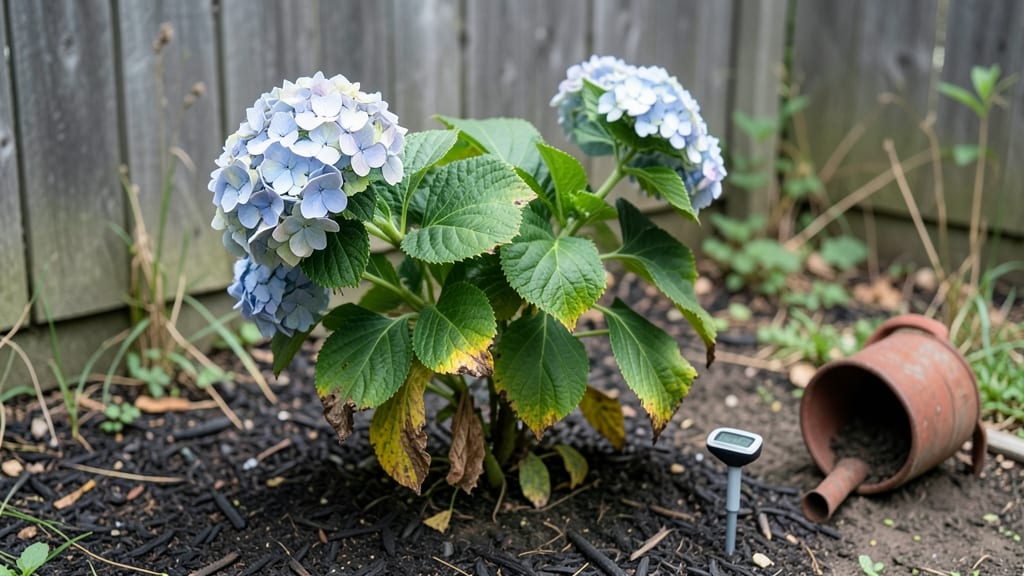
When your newly planted hydrangeas wilt within days, it’s not always a death sentence—just a cry for help. 🌿 I’ve nursed back more droopy hydrangeas than I’d like to admit, and the fix usually comes down to three things: soil moisture, root health, and a little patience.
The good news? You can often revive them in 24 hours with the right adjustments.
Most wilting stems from overwatering (soggy roots can’t breathe) or transplant shock (roots struggling to adjust). Check the soil—if it’s damp more than an inch below the surface, you’re overdoing it.
Hydrangeas prefer moist but well-draining soil, not swampy conditions. Gently inspect the roots too; if they’re mushy or black, they’ve been drowned.
Here’s the quick fix: water deeply but less often, and trim any brown, mushy roots before replanting in fresh soil. Mulch lightly to retain moisture without suffocating the plant.
Within a day, you’ll see leaves perk up as roots recover. The key is consistency—hydrangeas hate extremes, whether too wet or too dry.
If wilting persists after a week, the issue might be deeper—like root damage or pests. That’s when you’ll need to dig deeper (literally) or call in a pro.
But in most cases, this simple reset works wonders. Trust the process—your hydrangeas will bounce back with lush, vibrant leaves in no time.
Root Causes Of Drooping Hydrangeas
Understanding why your hydrangeas are wilting starts with diagnosing the root causes—literally and figuratively. These stunning shrubs thrive on balance, and even minor disruptions can trigger distress. Let’s break down the science behind the most common triggers, so you can pinpoint the issue and revive your plants fast.
Hydrangeas hate soggy roots. When soil stays too wet, oxygen can’t reach the roots, leading to root rot—a fungal infection that chokes the plant’s ability to absorb water and nutrients. Even worse, waterlogged soil creates the perfect breeding ground for pathogens like Phytophthora, which attack root cells.
Signs to watch for:
- Yellowing leaves (especially older ones)
- Mushy, blackened stems at the base
- A foul, rotten smell near the soil
Why it happens:
- Compacted or clay-heavy soil repels water instead of absorbing it, creating pockets of saturation.
- Overzealous watering (especially without checking soil moisture) keeps roots drowning.
- Lack of mulch causes soil to dry out on top while staying wet below—hydrangeas need well-draining, slightly acidic soil (pH 5.2–6.2) to thrive.
Quick fix: Let the top 2–3 inches of soil dry out before watering again. If your soil is heavy clay, amend it with compost or perlite to improve aeration.
Hydrangeas are sun-loving but heat-sensitive. When temperatures soar above 90°F (32°C), their large leaves lose moisture faster than roots can replenish it, causing transpirational stress. Even worse, intense afternoon sun can scorch leaves, leading to crispy, brown edges—a condition called sunburn.
Why it happens:
- Lack of afternoon shade in hot climates (especially for varieties like Hydrangea macrophylla).
- Sudden heatwaves after cool spring weather shock the plant’s vascular system.
- Wind exposure increases evaporation, drying leaves out prematurely.
Signs to spot:
- Wilting that worsens in the afternoon
- Bleached or brown patches on leaf edges
- Leaves that feel dry and papery to the touch
Pro tip: 🌿 Mulch heavily (3–4 inches of organic mulch) to retain soil moisture and water deeply in the morning to reduce evaporation. If your hydrangea is in full sun, consider light shade cloth during peak heat.
On the flip side, wilting can also mean thirsty roots. Hydrangeas need consistent moisture, especially during their growing season (spring to early fall). When soil dries out, roots shrink away from the soil particles, breaking the plant’s water uptake system.
Why it happens:
- Infrequent watering (letting soil dry out completely between sessions).
- Shallow root systems (common in container-grown hydrangeas) dry out faster.
- High winds or low humidity increase water loss through leaves.
Signs of drought stress:
- Leaves curling inward (like a taco!)
- Dry, crispy leaf edges
- Stems that feel hollow when squeezed (advanced stage)
Action step: 💦 Water deeply 1–2 times per week (more in extreme heat) and check soil moisture with your finger—if the top inch is dry, it’s time to water. Drip irrigation or soaker hoses deliver moisture directly to roots.
Wilting can also be a silent symptom of hidden pests or infections. Sap-sucking insects like aphids, spider mites, or scale weaken hydrangeas by blocking nutrient flow, while fungal diseases (like powdery mildew) clog stomata, preventing gas exchange.
Why it happens:
- Aphids inject toxins while feeding, causing leaves to curl and wilt.
- Root-knot nematodes (microscopic worms) damage root hairs, reducing water absorption.
- Bacterial wilt (from infected soil or tools) clogs the plant’s xylem vessels, cutting off water supply.
How to tell if pests are the culprit:
- Sticky residue (honeydew) on leaves (aphid sign).
- Fine webbing on undersides of leaves (spider mites).
- Black, sooty mold growing on sticky sap (fungal hitchhiker).
Solution: 🛡️ Inspect leaves daily and treat with neem oil (for pests) or copper fungicide (for bacterial wilt). Remove heavily infested leaves to stop spread.
If your hydrangea is newly planted or root-bound in a pot, its roots may struggle to establish or expand, leading to wilting despite proper care. This is especially true for container-grown hydrangeas that haven’t been repotted in years.
Why it happens:
- Circling roots (from being pot-bound) strangle themselves, limiting nutrient uptake.
- Improper planting depth (burying the stem too deep) suffocates roots.
- Lack of mycorrhizal fungi (beneficial soil microbes) in new soil slows root growth.
Signs of transplant shock:
- Wilting within days of planting
- Slow recovery even after watering
- Roots growing in circles when you check the root ball
Fix it fast: 🌱 Loosen roots before replanting and amend soil with compost. For potted hydrangeas, repot every 2–3 years in well-draining soil and trim circling roots before transplanting.
Hydrangeas are heavy feeders and need balanced nutrients to stay perky. A deficiency in potassium, magnesium, or iron can cause wilting by disrupting osmotic pressure (the plant’s ability to hold water in cells).
Why it happens:
- Over-fertilizing with nitrogen (burns roots, starving them of other nutrients).
- Soil pH too high or low (locks out essential minerals like iron or manganese).
- Depleted soil from years of growth without amendments.
Deficiency symptoms:
| Nutrient | Wilting Signs | Quick Fix |
|---|---|---|
| Potassium (K) | Weak stems, yellowing leaf edges | Apply potassium sulfate or banana peel tea |
| Magnesium (Mg) | Yellow patches between veins | Sprinkle Epsom salt (1 tbsp/gallon water) |
| Iron (Fe) | Pale green/yellow leaves (chlorosis) | Use chelated iron or acidify soil (sulfur/pine needles) |
Pro tip: 🌿 Test your soil (DIY kits are cheap!) and feed with a balanced fertilizer (10-10-10) in early spring and mid-summer. Hydrangeas love acidic soil, so a slow-release acid fertilizer helps too.
Revive Your Hydrangeas Fast
Watching your hydrangeas droop after planting can be frustrating, but the good news is that most wilting issues are fixable—often within 24 hours—if you address the root cause.
Below, we’ve mapped out practical solutions for the most common reasons your hydrangeas are struggling, along with prevention tips to keep them thriving long-term.
Fix: Hydrangeas hate soggy roots! If your soil is waterlogged, act fast to save them.
- Check the Soil 🌱
- Stick your finger 2 inches deep into the soil. If it feels drenched, your plant is overwatered.
- If the pot or garden bed has no drainage holes, stop watering immediately and let the soil dry out.
- Repot or Improve Drainage 🏗️
- Potted hydrangeas? Move them to a container with drainage holes. If repotting isn’t an option, add a 2-inch layer of perlite or gravel to the bottom before watering again.
- Garden hydrangeas? Amend the soil with compost or sand to improve aeration.
- Adjust Your Watering Routine 💦
- Water only when the top 1-2 inches of soil are dry (usually 2-3 times per week, depending on climate).
- Pro tip: 💡 Use a moisture meter or the "squeeze test"—grab a handful of soil; if it crumbles, it’s dry enough.
- Prevention Tips ✨
- Never let hydrangeas sit in saucers of water (empty saucers after watering).
- Mulch around the base (2-3 inches of organic mulch) to regulate moisture.
Fix: Wilting can also mean your hydrangeas are thirsty—especially in hot weather.
- Deep Watering Technique 💦
- Water slowly and deeply (10-15 minutes) until it seeps 6 inches into the soil. This encourages strong root growth.
- Morning watering is best—it reduces evaporation and fungal risks.
- Provide Shade Relief 🌳
- If your hydrangeas are in full sun, move them to partial shade (4-6 hours of sunlight) for a few days.
- Use a lightweight shade cloth (30-50% coverage) if relocating isn’t possible.
- Mist Leaves (Temporarily) 🌿
- On extremely hot days, lightly mist the leaves in the early morning to combat heat stress.
- Avoid evening misting—it can promote fungal diseases.
- Prevention Tips 🌡️
- Group hydrangeas with other plants to create a natural microclimate.
- Use self-watering pots or drip irrigation for consistency.
Fix: If your hydrangeas are newly planted or root-bound, they may need extra TLC to recover.
- Gently Loosen Roots 🌿
- If repotting, tease apart any circling roots before placing them in fresh soil.
- Trim damaged roots (use clean scissors) to encourage new growth.
- Fertilize Lightly 🍃
- Wait 2-3 weeks after repotting before fertilizing.
- Use a balanced, water-soluble fertilizer (10-10-10) diluted to half strength.
- Support with a Cage or Stake 🪵
- Wilting from shock can weaken stems. Stake the plant to prevent breakage while it recovers.
- Prevention Tips 🔄
- Repot every 2-3 years to prevent root binding.
- Water thoroughly before transplanting to reduce shock.
Fix: Aphids, spider mites, or fungal infections can cause sudden wilting.
- Inspect for Pests 🔍
- Check undersides of leaves for aphids (tiny green/black bugs) or spider mites (fine webbing).
- Blast off pests with a strong stream of water or use neem oil spray (mix 1 tsp neem oil + 1 tsp mild soap in 1 quart water).
- Treat Fungal Issues 🍄
- If leaves have yellow spots or powdery mildew, apply copper fungicide or baking soda spray (1 tsp baking soda + 1 quart water + a drop of soap).
- Remove affected leaves to prevent spread.
- Boost Plant Immunity 💪
- Epsom salt soak (1 tbsp per gallon of water) can help if wilting is from magnesium deficiency.
- Compost tea (homemade or store-bought) strengthens roots and resilience.
- Prevention Tips 🛡️
- Space plants properly (18-24 inches apart) for airflow.
- Rotate pots occasionally to prevent pest buildup.
Fix: Sudden changes in weather can shock hydrangeas.
- Protect from Wind 🌬️
- Move potted hydrangeas to a sheltered spot if winds exceed 10 mph.
- Use a windbreak (burlap or a temporary fence) for garden plants.
- Acclimate Gradually ❄️
- If moving from indoors to outdoors, harden off (expose to outdoor conditions for 1-2 hours daily, increasing time over a week).
- Avoid cold snaps—cover with frost cloth if temperatures drop below 32°F.
- Adjust Humidity 💧
- If air is too dry (common indoors), group plants together or use a pebble tray with water.
- Mist lightly in dry climates, but avoid soggy leaves.
- Prevention Tips 🌡️
- Monitor weather forecasts and plan protection accordingly.
- Choose the right variety—some hydrangeas (like Oakleaf) tolerate cold better than others.
If your hydrangeas are severely wilted but still have some green leaves:
- Prune dead stems 🔪 (cut ¼ inch above a healthy leaf or bud).
- Trim overcrowded foliage to improve airflow.
- Repot in fresh, well-draining soil if roots are rotting.
Quick Revival Checklist ⏳ ✅ Stop watering if soil is soggy. ✅ Water deeply if soil is dry. ✅ Check for pests and treat if found. ✅ Move to shade if leaves are scorched. ✅ Stake or support weak stems.
With these fixes, your hydrangeas should perk up within 24 hours—and with proper care, they’ll bounce back stronger than ever! 🌸
Frequently asked questions
Why do my hydrangeas wilt immediately after planting?
Newly planted hydrangeas often wilt due to transplant shock or root disturbance. The roots may have been damaged during moving, or the plant might be struggling to adapt to new soil conditions. Check for dry soil or overwatering—both can cause wilting. Give it time to recover, and water only when the top 1-2 inches of soil are dry.
Can I revive a hydrangea that's been wilting for a week?
If your hydrangea still has some green leaves, it’s not too late! Start by pruning dead stems and checking for root rot or pests. Water deeply but less frequently, and move it to a shadier spot if it’s been in full sun. If roots are mushy or black, repot in fresh, well-draining soil. Most hydrangeas recover within 7-10 days with proper care.
How do I tell if my hydrangea is overwatered or underwatered?
Overwatered hydrangeas have yellowing leaves, mushy stems, and a foul smell near the soil. Underwatered ones show crispy edges, curled leaves, and dry soil more than 1 inch deep. Stick your finger in the soil—if it’s damp below 2 inches, you’re overwatering. If it’s bone dry, it’s time to water deeply.
Should I fertilize a wilting hydrangea?
Wait until your hydrangea shows signs of recovery before fertilizing. If it’s wilting due to root stress (like overwatering or transplant shock), nutrients can worsen the problem. Once it’s perking up, use a balanced, water-soluble fertilizer (like 10-10-10) diluted to half strength. Avoid high-nitrogen fertilizers—they can burn roots.
Can heat or wind cause hydrangeas to wilt?
Hydrangeas are sensitive to high heat (above 90°F) and strong winds, which dry out leaves faster than roots can absorb water. Move potted hydrangeas to a shadier, sheltered spot during heatwaves, and use a windbreak if needed. Mist leaves lightly in the morning on scorching days, but avoid evening misting to prevent fungal issues.