
Fertilization
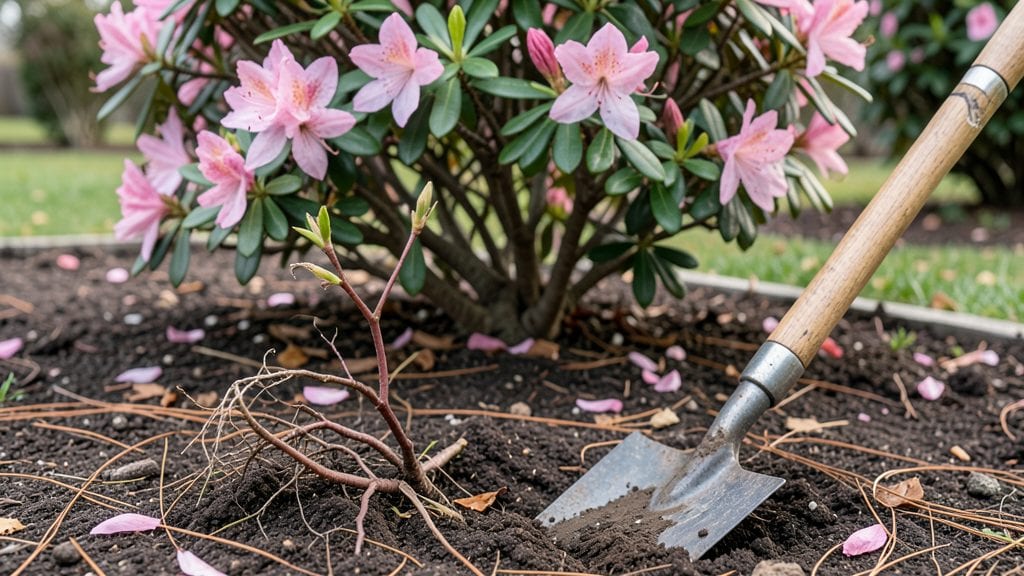
Planting azaleas outside transforms your yard into a year-round floral masterpiece—if you nail the soil and sunlight first. 🌿 I’ve learned the hard way that these finicky shrubs turn into sad, sparse bushes when planted in the wrong spot or soil.
The secret isn’t just picking a pretty location; it’s creating the exact conditions they crave: acidic soil, dappled shade, and consistent moisture.
You’ll need a few simple tools: a shovel, peat moss or sulfur to acidify the soil, and a hose with a gentle spray nozzle. The best time to plant is in early spring or fall, when temperatures are mild and roots can establish without stress.
Avoid full sun or heavy clay—azaleas hate both. Once you’ve amended the soil with 2-3 inches of organic matter and adjusted the pH to 4.5-6.0, you’re ready to dig.
After planting, water deeply for the first two weeks to help roots settle, then taper off to once a week unless it rains. The first year is critical—mulch heavily with pine needles or bark to retain moisture and block weeds.
By next spring, you’ll see lush, vibrant blooms that last for months, proving that azaleas aren’t high-maintenance—they’re high-reward when done right.
Even experienced gardeners mess up spacing or soil prep, but these mistakes are easy to avoid. Azaleas need 3-5 feet of space between plants, and pruning too late in the season can kill next year’s flowers.
Stick to the basics, and you’ll have a shrub that thrives for decades—no green thumb required, just patience.
📚 In This Guide
- What you need
- Instructions
- Tips and common mistakes
- Wrapping up and next steps
What you need
- ● Azalea plants: Choose between container-grown (best for year-round planting) or bare-root (plant in early spring or fall). Aim for 3–5 plants for a balanced look, depending on your space.
- ● Acidic soil: Test your soil’s pH (ideal range: 4.5–6.0). If needed, amend with peat moss, pine bark, or sulfur (follow package instructions).
- ● Organic mulch: 3–4 inches of pine straw, pine bark, or wood chips to retain moisture and acidify soil over time.
- ● Slow-release acid fertilizer: Look for a 16-6-8 or 10-10-10 formula labeled for azaleas, rhododendrons, or acid-loving plants.
- ● Garden gloves & knee pads: Protect your hands and knees during planting!
- ● Trowel or small shovel: For digging holes (size should be 2–3 times wider than the root ball).
- ● Garden fork or spade: To loosen soil and mix in amendments.
- ● Watering can or hose with a gentle spray nozzle: Azaleas hate soggy roots—avoid heavy water pressure.
- ● Measuring tape or ruler: Ensure proper spacing (3–5 feet apart, depending on variety).
- ○ pH testing kit (optional but recommended): Confirm soil acidity before planting.
- ● 🌡️ Timing matters: Plant container-grown azaleas in spring or fall (avoid extreme heat or frost).
- ● ✨ Sunlight check: Most azaleas thrive in partial shade (morning sun + afternoon shade)—avoid harsh afternoon rays.
- ● 🔥 Drainage is key: If your soil drains poorly, add a 1-inch layer of gravel at the bottom of the hole.
Step-by-step instructions for planting azaleas outside
Here's how to plant azaleas for vibrant blooms year after year—no guesswork, just proven techniques.
🌱 Step 1: Choose the Perfect Planting Spot
Azaleas thrive in partial shade—think morning sun with afternoon shade—to protect their delicate blooms from scorching. I always pick a spot with dappled sunlight where they get 4-6 hours of gentle light daily. Avoid full sun, which causes leaves to crisp, or deep shade, which leads to sparse flowering.
Test your spot by observing how sunlight moves across the area throughout the day. A north- or east-facing location works best in most climates. If your yard is mostly sunny, plant azaleas near a tree with a high canopy or against a north-facing wall for natural shade.
🌿 Step 2: Prepare the Soil for Acid-Loving Roots
Azaleas demand acidic soil with a pH between 4.5 and 6.0. Before planting, mix 3 gallons of peat moss or composted pine bark into the planting hole to lower the pH naturally. This ensures roots get the iron and manganese they crave for vibrant blooms.
Dig a hole twice as wide as the azalea’s root ball but only as deep as the container it came in. Loosen the sides of the hole with a shovel to encourage roots to spread outward. If your soil is heavy clay, blend in 2 gallons of sand to improve drainage—waterlogged roots are azaleas’ worst enemy.
🪴 Step 3: Plant Azaleas at the Right Depth and Stake for Support
Remove the azalea from its container and gently loosen the roots if they’re circling. Place the plant in the hole so the top of the root ball sits just above soil level—burying too deep suffocates the stem. Fill the hole with the amended soil mix, pressing lightly to eliminate air pockets.
Water deeply to settle the soil, then add a 3-foot wooden stake if your azalea is top-heavy. Secure it loosely with soft garden twine—tight ties can girdle the stem as it grows. Mulch the base with 2 inches of pine straw, keeping it 6 inches away from the trunk to prevent rot.
☀️ Step 4: Water and Protect New Plants
Water once a week for the first month, soaking the soil to a depth of 12 inches. Azaleas hate drying out, but they also despise soggy roots—never let water pool around the base. After establishment, aim for 1 inch of water weekly, adjusting for rain.
Shield young azaleas from strong winds and winter sun with a burlap wrap or lightweight frost cloth during their first season. This helps them acclimate without stress. In Zone 5 or colder, add a 3-inch layer of mulch in late fall to insulate roots through freezing temps.
⏰ Step 5: Feed and Prune for Long-Term Health
Wait 3 months before fertilizing—new roots need time to establish. Then, use an acid-loving plant fertilizer (like 10-10-10 with sulfur) in early spring and mid-summer. I apply ½ cup per plant, scratching it into the soil surface and watering it in.
Prune right after blooming to shape the shrub and remove dead flowers. Cut back overly long branches by ⅓ to encourage bushier growth. Avoid heavy pruning in late summer—it removes next year’s flower buds. Watch for yellow leaves, which signal overwatering or alkaline soil, and adjust care immediately.
Tips & tricks for perfect azalea planting
Here's what I've learned after years of planting azaleas—these tricks make all the difference for vibrant, healthy plants.
Sunlight Secret: The 4-6 hours of morning sun is non-negotiable for azaleas. I test spots by observing sunlight patterns throughout the day—if your yard gets intense afternoon sun, plant near a tall tree or north-facing wall. Remember, azaleas can't handle the harsh midday rays that would crisp their leaves.
Soil Prep Strategy: That 3 gallons of peat moss or pine bark is crucial for lowering soil pH to the perfect 4.5-6.0 range. I always test my soil first with a pH kit—if it's already acidic, I can reduce the peat moss to 2 gallons. For clay-heavy soil, blend in 2 gallons of sand to prevent waterlogging, which is azaleas' biggest enemy after poor soil conditions.
Planting Depth Tip: When placing your azalea in the hole, the top of the root ball should be just above soil level—never bury it deeper. I use a small wooden stake to mark the original soil line on the root ball before planting. Burying too deep suffocates the stem and prevents proper growth.
Watering Wisdom: The first month's weekly watering is critical for establishing roots. I use a long trowel to check soil moisture at 12 inches deep—it should feel damp but not soggy. After establishment, I switch to a rain gauge to measure exactly 1 inch of water weekly, adjusting for rainfall to avoid both drought and waterlogging.
Pro Tips for Planting Azaleas Outside
- Here's what I've learned after years of planting azaleas—these tricks make all the difference for vibrant, healthy plants.
- Sunlight Secret: The 4-6 hours of morning sun is non-negotiable for azaleas.
- Soil Prep Strategy: That 3 gallons of peat moss or pine bark is crucial for lowering soil pH to the perfect 4.5-6.0 range.
Frequently asked questions
Got questions about planting azaleas outside? You’re not alone! Here are some of the most common concerns—and straightforward answers—to help you get started with confidence.
What’s the best time of year to plant azaleas outdoors?
Plant azaleas in early spring or early fall for the best results. This gives roots time to establish before extreme heat or cold sets in. Avoid planting in summer or late fall, as harsh conditions can stress young plants.
Do azaleas need full sun to thrive?
Nope! Azaleas actually prefer partial shade—think 4 to 6 hours of sunlight daily. Too much direct sun can scorch their leaves, while too little can reduce blooms. A spot with morning sun and afternoon shade is ideal.
How do I know if my soil is acidic enough for azaleas?
Test your soil’s pH—azaleas love acidic soil (pH 4.5–6.0). Use a simple soil kit or send a sample to a local extension office. If your soil is too alkaline, amend it with peat moss, pine bark, or sulfur before planting.
Can I plant azaleas in containers instead of the ground?
Containers work great for small spaces or renters. Just use a well-draining, acidic potting mix and a pot with drainage holes. Repot every 2–3 years to refresh the soil and prevent root-bound stress.
Why aren’t my azaleas blooming, even after planting them?
Bloom issues often stem from over-fertilizing, poor sunlight, or transplant shock. Give them time (1–2 years) to adjust, and avoid high-nitrogen fertilizers. Instead, use an acid-loving plant fertilizer in early spring for best results.
Wrapping up and next steps
Planting azaleas outside can transform your garden into a vibrant, year-round spectacle—if you nail the acid-loving soil and proper care! 🌸 From choosing the right location to mastering fertilization and pruning, every step unlocks their full potential.
Now that you’re armed with the know-how, there’s no time like the present to dig in and get growing.
Ready to take the next step? Pick your favorite azalea variety, grab your gardening gloves, and start planting—your future blooms will thank you! 🌱✨