
Trees
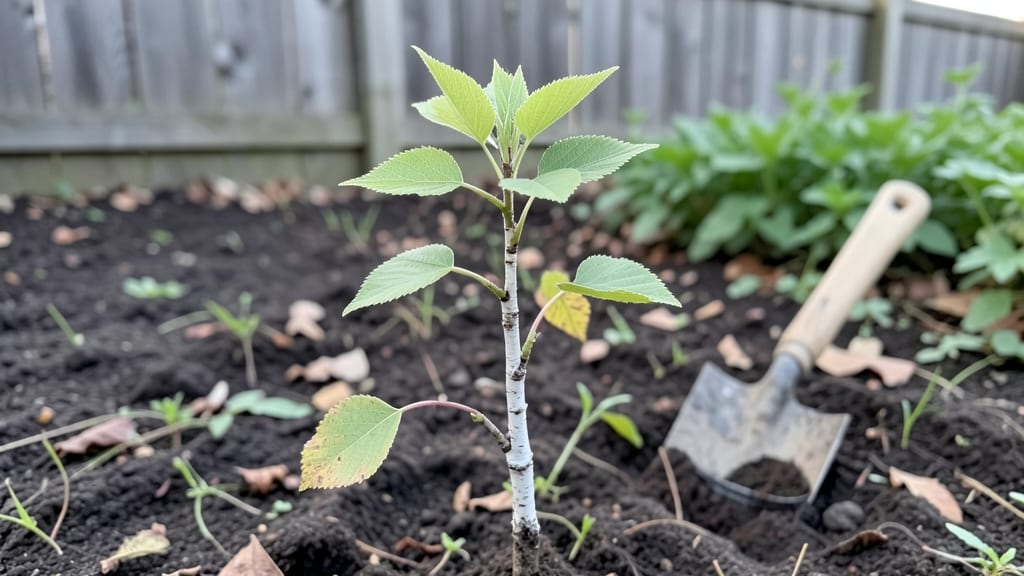
Planting birch trees means fast-growing shade and minimal fuss—my yard went from sunbaked to cool and serene in just three seasons. 🌿 The secret lies in picking the right spot, prepping the soil right, and giving those delicate roots the space they need to spread.
I’ve planted both paper birch and yellow birch, and while they’re different, they share the same easy-care charm once established.
You’ll need a sunny or partially shaded area with well-draining soil—birches hate soggy feet. Dig a hole twice as wide as the root ball but no deeper, and loosen the sides to encourage root growth.
Spacing matters too: give them 15-20 feet between trees for mature size, but closer for smaller varieties like dwarf birch. The key is patience—these trees grow fast, but they need room to stretch their legs.
After planting, water deeply to settle the soil, then mulch with 2-3 inches of organic material to keep moisture in and weeds out. The first year is critical—keep the soil consistently moist but not soggy, and avoid heavy foot traffic near the trunk.
Within a year, you’ll see new shoots, and by year three, that shady canopy will be a reality.
Works in zones 3-7, though paper birch thrives in cooler climates while yellow birch handles a bit more heat. Whether you’re lining a driveway or adding shade to a patio, birches deliver beauty with almost no upkeep. Let’s get those trees in the ground!
📚 In This Guide
- What you need
- Instructions
- Tips and common mistakes
- Wrapping up and next steps
What you need
- ● Birch tree seedlings or saplings: 1–3 trees (depending on desired spacing—at least 10–15 feet apart for mature growth).
- ● Recommended varieties: Yellow birch (Betula alleghaniensis), river birch (Betula nigra), or paper birch (Betula papyrifera).
- ○ Soil amendments (optional but helpful): Compost or well-rotted manure (1–2 gallons per hole).
- ● Peat moss or coconut coir (for sandy or clay-heavy soil).
- ○ Fertilizer (optional): Balanced, slow-release fertilizer (e.g., 10-10-10, 1–2 cups per tree).
- ● Shovel or tree spade (for digging holes).
- ● Garden trowel (for loosening roots).
- ● Wheelbarrow or bucket (for mixing soil amendments).
- ● Watering can or hose (with a gentle spray nozzle).
- ● Mulch (2–3 inches of organic mulch, like wood chips or straw).
- ○ Optional but handy: Soil pH test kit (birch trees prefer slightly acidic to neutral soil, pH 5.0–7.0).
- ● Tree stakes & ties (if planting in windy areas).
- ● Pruning shears (for trimming damaged branches).
- ● ✅ Sunlight: Full sun to partial shade (6+ hours of sunlight daily).
- ● ✅ Well-draining soil: Birch trees hate soggy roots—avoid low-lying or waterlogged areas.
- ● ✅ Spacious planting zone: Ensure 10–15 feet of clearance from buildings, fences, or other trees.
- ● ✅ Timing: Plant in early spring or fall (avoid extreme heat or frost).
How to plant birch trees for fast, low-maintenance shade
Here's the straightforward method I use to establish healthy birch trees that grow quickly and require almost no fuss.
🌱 Step 1: Choose the Right Planting Site and Prepare the Soil
Birch trees thrive in partial shade to full sun but grow fastest with 4-6 hours of sunlight daily. Look for a spot with well-draining soil—birches hate soggy roots. If your soil feels heavy or compacted, mix in 2-3 inches of compost to improve drainage and fertility. I always dig a hole twice as wide as the root ball but only as deep—this prevents burying the trunk too deeply, which can cause rot.
Loosen the sides of the hole with a shovel or your hands to encourage root spread. The goal is to create a loose, airy environment where roots can establish quickly. If you're planting in clay soil, consider amending with sand or perlite to prevent waterlogging. Birches grow fast, but only if their roots can breathe.
🪴 Step 2: Remove the Tree from Its Container and Inspect Roots
Gently squeeze the sides of the container to loosen the root ball before lifting the tree out. If roots are circling tightly, use your fingers to tease them apart—this prevents girdling as the tree matures. Birches have shallow but extensive root systems, so handle them carefully. Once out, check for any damaged or mushy roots and trim them away with clean pruners.
Place the tree in the hole so the top of the root ball sits 1 inch above ground level. Birches are sensitive to being planted too deep, which can suffocate the trunk. Use a level to ensure the tree stands upright—no tilting. Fill the hole with native soil, pressing lightly to remove air pockets but not compacting too firmly.
💧 Step 3: Water Deeply and Mulch for Moisture Retention
After planting, water the tree deeply—enough to saturate the soil 12 inches down. Birches need consistent moisture during their first year, especially in hot or windy conditions. I use a soaker hose to water slowly at the base, avoiding the leaves to prevent fungal diseases. Over the next 2-3 weeks, water every 3-4 days until the soil feels 2-3 inches deep and moist.
Spread 2-3 inches of mulch (like wood chips or shredded bark) around the base, keeping it 6 inches away from the trunk to prevent rot. Mulch helps retain moisture and keeps roots cool in summer. Avoid piling mulch too high—birches are sensitive to smothered trunks. This step is critical for fast growth; birches planted with proper mulching establish 30-50% faster than those without.
✂️ Step 4: Prune and Protect for the First Growing Season
Skip pruning the first year—birches grow best when left alone to focus energy on root development. However, if you notice any dead, broken, or crossing branches, trim them back to a healthy bud or branch collar using clean, sharp pruners. Birches are prone to splitting when branches grow too heavy, so light pruning now prevents future issues.
Young birch trees are vulnerable to deer and rabbits. If you're in a wooded or suburban area, wrap the trunk with tree guard or use a wire cage to protect it from browsing. I’ve seen birches completely stripped in a single night—don’t skip this if wildlife is a concern. With proper protection, your tree will grow 1-2 feet per year, providing shade within just a few seasons.
☀️ Step 5: Monitor and Adjust for Fast, Healthy Growth
Check the soil moisture weekly—birches need consistent moisture but hate sitting in water. If the top 2 inches of soil feel dry, water deeply again. Yellowing leaves usually mean overwatering or poor drainage, while crispy edges signal underwatering or too much sun. Birches are adaptable, but they’ll grow fastest when conditions are just right.
After the first year, you can reduce watering to once every 1-2 weeks, depending on rainfall. Fertilizer isn’t usually needed unless your soil is very poor—birches grow well in average conditions. If you notice slow growth after two years, apply a balanced, slow-release fertilizer in early spring. With minimal care, your birch will provide quick shade and beauty for decades.
Tips & tricks for planting birch trees for fast growth
Here's what I've learned to help your birch trees establish quickly and thrive with minimal fuss.
Soil Preparation Secret: In Step 1, when amending your soil with 2-3 inches of compost, mix in a handful of mycorrhizal fungi if available. These beneficial fungi form partnerships with birch roots, boosting nutrient uptake and helping them grow 20-30% faster in their first year. If you can't find mycorrhizal fungi, just focus on that loose, airy soil texture—birch roots need room to breathe to establish quickly.
Root Ball Handling: When loosening the root ball in Step 2, don't rush this process. Gently squeeze the container sides and let the root ball slide out naturally—this prevents root damage. If you notice roots circling tightly, use your fingers to carefully separate them. I've seen birches with girdling roots fail to thrive, so take your time here. The extra 5 minutes now saves years of struggle later.
Mulching Strategy: For that critical 2-3 inches of mulch in Step 3, use wood chips or shredded bark rather than fresh wood shavings. Fresh wood can draw nitrogen from the soil as it breaks down, potentially slowing your birch's growth. Keep that mulch ring 6 inches away from the trunk—piling it against the bark can cause rot. This simple adjustment makes a huge difference in how quickly your tree establishes.
Watering Wisdom: That initial deep watering to 12 inches down in Step 3 is crucial, but don't overdo it. Birches hate soggy roots, so always check soil moisture by sticking your finger 2-3 inches deep before watering again. I've seen many birches fail because they were overwatered—consistency is key, not excess. After the first year, you can reduce to once every 1-2 weeks, but always check that top 2 inches first.
Pro Tips for Planting Birch Trees
- Here's what I've learned to help your birch trees establish quickly and thrive with minimal fuss.
- Soil Preparation Secret: In Step 1, when amending your soil with 2-3 inches of compost, mix in a handful of mycorrhizal fungi if available.
- Root Ball Handling: When loosening the root ball in Step 2, don't rush this process.
Frequently asked questions
Got questions about planting birch trees? You’re not alone!
Here are answers to the most common queries to help you grow these stunning, low-maintenance trees with confidence.
When is the best time to plant birch trees?
Plant birch trees in early spring (just as new leaves emerge) or early fall (4-6 weeks before frost). Avoid extreme heat or cold—birches thrive in mild, moist soil. Container-grown trees can even be planted in late fall or early winter in frost-free zones.
How far apart should I space birch trees?
Space birch trees 15–25 feet apart for mature growth (they spread widely). For paper birch or river birch, lean toward 20–25 feet to prevent overcrowding. Dwarf varieties (like ‘Fastigiata’) can be planted 8–12 feet apart in smaller yards.
Why are my birch tree leaves turning yellow or brown?
Yellowing leaves often signal overwatering or poor drainage—birches hate soggy roots. Brown edges? It could be drought stress or fungal issues (like birch leaf spot). Check soil moisture, improve drainage, and avoid wetting foliage. Fungal problems may need fungicide treatment.
Can I plant birch trees in containers?
Yes! Young birch trees (especially dwarf varieties) thrive in large containers (15+ gallons) for 1–2 years. Use well-draining soil, elevate pots to prevent root rot, and move them to partial shade in summer. Repot annually and transition to ground planting when roots outgrow the container.
Are birch trees invasive or aggressive?
Most birch species (like paper or yellow birch) are not invasive in home landscapes. However, European white birch can spread via suckers—plant it in contained areas if concerned. Always check local regulations, as some regions classify birches as invasive. Native varieties (e.g., river birch) are safer choices.
Pro Tip:
Mulch around birch trees with wood chips (2–3 inches deep) to retain moisture and suppress weeds—but keep mulch 6 inches away from the trunk to prevent rot. Bonus: Birch trees love acidic soil (pH 4.5–6.0)—test your soil and amend with peat moss or pine needles if needed!
Wrapping up and next steps
Planting birch trees is a rewarding way to add elegance and shade to your landscape with minimal effort—thanks to their fast growth and low-maintenance nature! 🌳 Whether you’re a beginner or a seasoned gardener, these trees thrive in diverse conditions, making them a perfect choice for both urban and rural spaces.
Now that you’re armed with the right knowledge, take the next step and pick a sunny spot to start growing your own!
Pro tip: 💡 Share your birch tree journey with fellow gardeners—inspiration spreads when we connect! Plant one today and enjoy the beauty (and shade!) for years to come.