
Trees
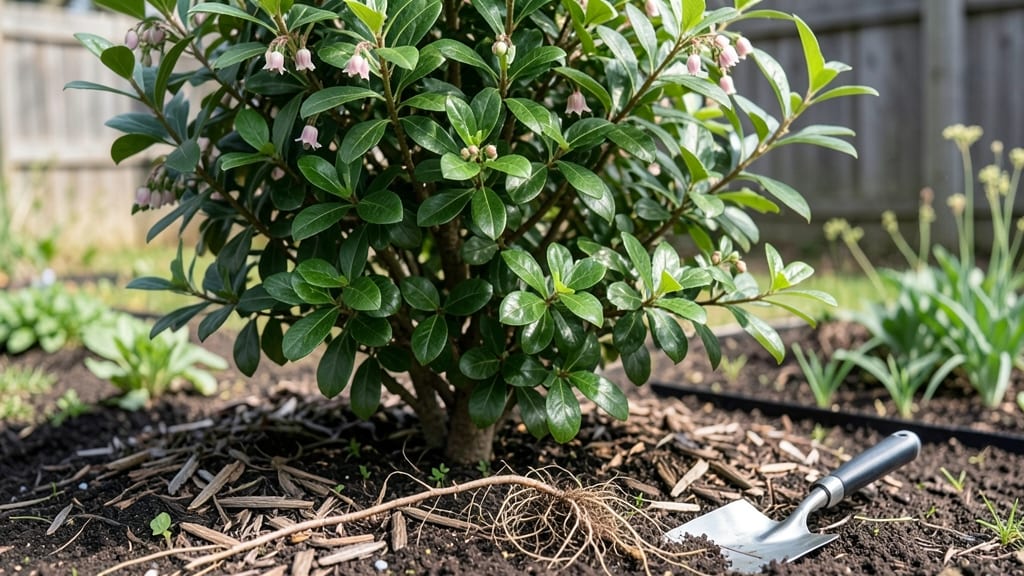
Planting blueberry trees means waking up to a bush heavy with fruit you grew yourself—if you nail the soil and sunlight right. I learned this the hard way when my first crop turned bitter because the soil was too alkaline.
Blueberries are picky, but once you get their needs met, they reward you with harvests that last from summer into fall. The secret starts with acid-loving soil and a spot that gets at least six hours of sun daily.
You’ll need a few key things: a shovel, composted pine needles or peat moss to lower the pH, and a well-draining spot free of grass. For spacing, give each tree 4 to 6 feet between plants, or 8 to 10 feet if you’re planting a hedge.
Bare-root trees are cheaper and easier to plant in early spring, while containerized trees give you more flexibility for timing. Either way, dig a hole twice as wide as the root ball but no deeper—blueberries hate soggy roots.
After planting, water deeply to settle the soil, then mulch with pine straw to keep the roots cool and acidic. Prune back any dead or crossing branches, and avoid heavy pruning until the tree is established.
Within a year, you’ll see new growth, and by year three, you could have your first real harvest. The key is patience—blueberries take time, but they’re worth every minute of care.
If you’re in a warmer climate like zones 7-9, choose southern highbush varieties that handle heat better. Northern gardeners should opt for lowbush or northern highbush types. And here’s a pro tip: plant at least two varieties if you want reliable fruit set, since most blueberries need cross-pollination.
With the right setup, your bushes will thrive for decades—just like my neighbor’s, which has been producing since the 1980s.
📚 In This Guide
- What you need
- Instructions
- Tips and common mistakes
- Wrapping up and next steps
What you need
- ● Blueberry plants: 2–4 plants (choose northern or southern varieties based on your USDA zone—zones 4–7 for northern, zones 5–9 for southern). Opt for bush or semi-dwarf types for home gardens.
- ● Well-draining soil: Mix of peat moss (or coconut coir), sand, and compost (ratio: 1:1:1). Aim for a pH of 4.5–5.5 (use a soil pH test kit to confirm).
- ● Organic mulch: Pine needles or wood chips (3–4 inches thick) to retain acidity and moisture.
- ● Garden shovel or trowel (for digging holes 12–18 inches wide/deep).
- ● Garden gloves (to protect your hands from thorns and soil).
- ● Pruning shears (sterilized with rubbing alcohol for trimming).
- ● Watering can or hose with a gentle spray nozzle (blueberries hate soggy roots!).
- ● Wheelbarrow (for mixing soil amendments).
- ● Epsom salt (1 tbsp per plant annually to boost magnesium).
- ● Blueberry fertilizer (low-nitrogen, high-acid formula like Espoma).
- ● Drip irrigation system (for consistent moisture without overwatering).
- ● Bird netting (to protect ripe berries from hungry critters!).
Instructions for planting blueberry trees
Here’s the straightforward method I’ve used to get healthy, productive blueberry bushes thriving in my yard.
Choose the Right Location and Prepare the Soil
Blueberries need acidic soil with a pH between 4.5 and 5.5—this is non-negotiable. Test your soil first using a home kit or send a sample to your local extension office. If your soil is too alkaline, amend it with 2-3 pounds of sulfur per 100 square feet and mix it into the top 12 inches of soil at least 3 months before planting. This gives the sulfur time to lower the pH naturally.
Select a spot with full sun—at least 6-8 hours of direct sunlight daily. Blueberries tolerate partial shade, but fruit production will suffer. The location should also have good air circulation to prevent fungal diseases. If your yard has heavy clay soil, dig in 2-3 inches of peat moss or compost to improve drainage while keeping that critical acidity level.
Dig the Planting Hole and Plant Correctly
Dig a hole twice as wide as the root ball but only as deep as the container’s root system. Blueberries hate having their roots buried too deep, which can suffocate them. Gently remove the tree from its container and loosen any circling roots with your fingers—this encourages outward growth instead of a tangled mess.
Place the tree in the hole so the top of the root ball sits just below soil level. Fill the hole with the amended soil, tamping it down lightly as you go to remove air pockets. Water deeply right after planting to settle the soil and eliminate gaps. The root ball should stay moist but not soggy—think of a wrung-out sponge. Mulch the area with 2-3 inches of pine bark or wood chips, keeping it 6 inches away from the trunk to prevent rot.
Water and Fertilize for Strong Establishment
Water your newly planted blueberry tree deeply every 2-3 days for the first 2 weeks, then taper to once a week if rainfall is consistent. You’ll know it’s getting enough water when the soil feels moist 2-3 inches below the surface. Overwatering is just as harmful as underwatering—blueberries hate soggy roots.
Skip the fertilizer for the first 6 months unless your soil test shows severe deficiencies. Instead, use 1-2 pounds of acidic organic fertilizer (like cottonseed meal) in early spring the following year. Spread it 6 inches away from the trunk and water it in well. Avoid high-nitrogen fertilizers—they’ll give you lots of leaves but few berries. Blueberries reward patience with fruit, not fast growth.
Prune and Protect for Long-Term Health
Prune your blueberry tree in late winter or early spring before new growth begins. Remove any dead, diseased, or crossing branches first, then cut back any overly long canes to 12-18 inches from the ground. This encourages bushier growth and better air circulation. Use clean, sharp pruners and make cuts at a 45-degree angle just above a bud.
Young blueberry bushes are vulnerable to pests like birds and rodents. Protect them with bird netting once buds appear in spring. If you’re in a region with harsh winters, mulch heavily around the base with 4-6 inches of straw or pine needles to insulate roots. Blueberries are surprisingly cold-hardy, but their roots need protection from extreme temperature swings.
Tips & tricks for planting blueberry trees
Planting blueberry trees successfully comes down to a few key details that make all the difference between a struggling bush and a thriving fruit producer. Here's what I've learned from years of growing my own bushes.
The Soil Test is Non-Negotiable: You can't skip testing your soil's pH before planting. I've seen people plant blueberries in alkaline soil and wonder why they never produce fruit. The 4.5-5.5 pH range is critical—if your test shows higher, you absolutely need that 2-3 pounds of sulfur per 100 square feet amendment. Start this process at least 3 months before planting to give the sulfur time to work. I always double-check my pH test results by getting a second opinion from my local extension office when in doubt.
Root System Care Makes All the Difference: In Step 2, when you're loosening those circling roots, take your time. I've seen people rush this step and end up with tangled roots that strangle the plant. The goal is to encourage outward growth, not create a root ball that stays compacted. Also, that top of the root ball just below soil level placement is crucial—burying too deep suffocates the roots, while planting too high creates instability. Think of it like Goldilocks: just right is everything.
Watering Wisdom for First-Year Success: Those first 2 weeks of watering every 2-3 days are critical for establishing strong roots. I've learned the hard way that skipping this step leads to weak plants that struggle to produce fruit. Use your finger to check moisture 2-3 inches below the surface—it should feel like a wrung-out sponge. Overwatering is just as bad as underwatering, so let the top inch dry out between waterings. This prevents soggy roots that rot easily.
Pruning Strategy for Maximum Fruit: When pruning in late winter, focus on creating an open center. I cut back long canes to 12-18 inches to encourage bushier growth, but the real secret is removing any branches that cross or rub against each other. This improves air circulation and prevents disease. Make your cuts at a 45-degree angle just above a bud—this technique helps the wound heal faster and directs new growth in the right direction.
Pro Tips for Planting Blueberry Trees
- Planting blueberry trees successfully comes down to a few key details that make all the difference between a struggling bush and a thriving fruit producer.
- The Soil Test is Non-Negotiable: You can't skip testing your soil's pH before planting.
- Root System Care Makes All the Difference: In Step 2, when you're loosening those circling roots, take your time.
Frequently asked questions
Got questions about planting blueberry trees? You’re not alone!
Here are answers to the most common queries to help you get started on the right foot—literally.
What’s the best time of year to plant blueberry trees?
Plant bare-root blueberries in late fall or early spring (before buds swell) for ideal root establishment. Container-grown trees can go in anytime the ground isn’t frozen. Avoid summer heat, which stresses young roots. Pro tip: Soil temps above 60°F signal it’s safe to dig!
How often should I water newly planted blueberry trees?
Keep soil consistently moist (not soggy!) for the first 2 years. Water deeply 2–3 times per week during dry spells, aiming for 1–1.5 inches of water. Mulch (2–3 inches of pine needles or wood chips) retains moisture and mimics their natural acidic habitat. Overwatering = root rot—drainage is key!
Can I grow blueberry trees in containers, or do they need a yard?
Yes! Dwarf varieties (like ‘Top Hat’ or ‘Peach Sorbet’) thrive in 5-gallon+ containers with acidic potting mix. Ensure pots have drainage holes and replant every 2–3 years. For yard planting, space trees 4–6 feet apart (6+ for standard varieties). Urban growers: Containers work but may need winter protection in cold climates.
Why are my blueberry leaves turning yellow, and how do I fix it?
Yellow leaves often signal nutrient deficiencies (iron/chlorosis) or poor soil pH. Blueberries love acidic soil (pH 4.5–5.5). Test your soil and amend with sulfur or peat moss if needed. Yellowing edges? Check for overwatering or fungal issues. Prune affected branches and improve airflow. Fertilize in spring with an acid-loving plant formula.
How long does it take for blueberry trees to bear fruit?
Patience pays off! Dwarf varieties may fruit in 1–2 years, while standard trees take 2–3 years. Young trees focus on root growth first. Pro tip: Plant two varieties (like ‘Bluecrop’ + ‘Duke’) for cross-pollination and better yields. First harvest? Expect a few pounds per tree—future harvests grow with the tree!
Wrapping up and next steps
Planting blueberry trees is a rewarding journey that combines patience, care, and a little know-how! 🌱 With the right soil, sunlight, and maintenance—like pruning and mulching—you’ll soon enjoy a bountiful harvest of sweet, antioxidant-rich berries.
Whether you’re a seasoned gardener or just starting, these pro tips will set you up for success.
Now that you’re ready, take the next step: mark your calendar for planting season (fall or early spring) and gather your tools. Watch your blueberry bushes grow into a thriving, fruit-filled centerpiece—your future self (and taste buds!) will thank you.