Vegetables
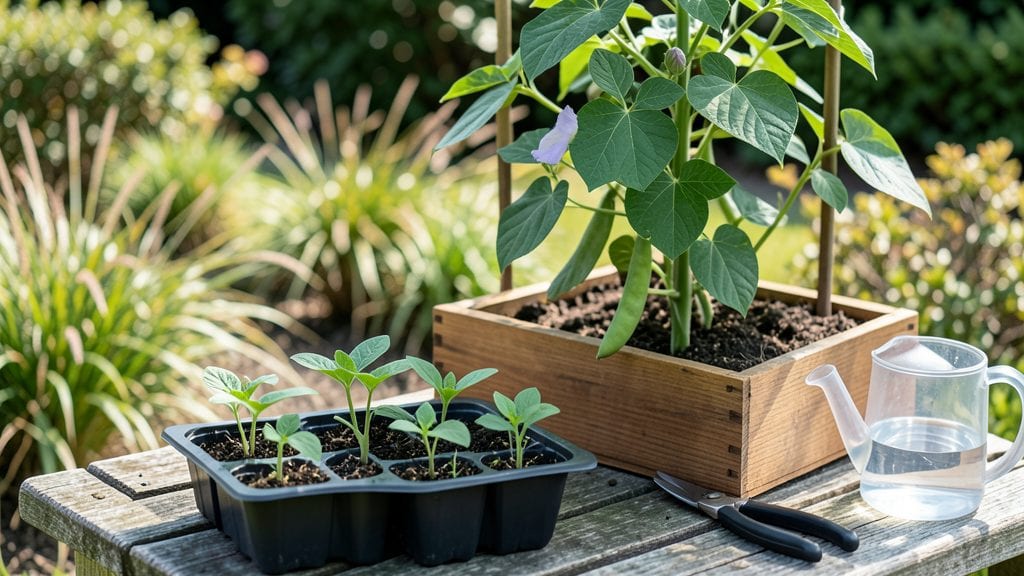
Butter beans climb like crazy—ready for harvest in just 60 days when you nail the planting. 🌱 I’ve grown them for years, and the secret isn’t fancy soil or perfect timing—it’s getting those seeds in the ground at the right moment and giving them space to stretch.
The first time I tried, I crowded them too close, and the vines tangled into a mess. Now I treat them like eager teenagers: give them room to grow, and they’ll reward you with bushels of tender pods.
You’ll need a sunny spot with at least 6 hours of light, well-draining soil, and something to climb—whether it’s a trellis, fence, or sturdy stakes. Butter beans thrive in warm weather, so wait until the soil hits 60°F before planting.
If you’re in a cooler climate, start seeds indoors 4-6 weeks before the last frost. The key is patience: they germinate fast, but the vines need time to establish before they really take off. Think of it like training for a marathon, not a sprint.
By mid-summer, you’ll be snapping off pods daily—crisp, buttery, and packed with flavor. The plants stay productive for weeks if you keep them watered and pick regularly. And here’s the best part: they’re drought-tolerant once established, so you won’t be glued to a hose all season.
Just watch for powdery mildew in humid areas and give them a little shade if the sun gets too intense. Trust me, once you taste homegrown butter beans, store-bought ones won’t even come close.
Works in gardens, containers, or even along a balcony railing—just make sure the climbing structure is at least 5 feet tall. If you’re in a short-season area, opt for shorter varieties like ‘Contender’ or ‘Henderson’.
Now, let’s get those seeds in the ground so you can start harvesting sooner than you think!
📚 In This Guide
- What you need
- Instructions
- Tips and common mistakes
- Wrapping up and next steps
What you need
- ● Butter Bean Seeds: 1–2 lbs (or ~100–200 seeds, depending on variety). Choose heirloom or drought-resistant types like Contender or Lima Butter for best results.
- ● Growing Space: Direct sunlight (6–8 hours daily)
- ● Well-draining soil (pH 6.0–7.0)
- ● Space: 6–12 inches apart in rows 3–4 feet apart (or trellis for climbing varieties).
- ● Fertilizer: Compost or balanced organic fertilizer (10-10-10 NPK ratio).
- ● Watering Can or Hose: For consistent moisture (1–2 inches per week).
- ○ Trellis or Stakes (Optional but Helpful): 6–8 ft tall for climbing varieties to save space.
- ● Mulch (straw or grass clippings) to retain moisture.
- ● Row covers for early planting or pest protection.
- ● Pruning shears for managing vines.
- ● Soil pH test kit to ensure optimal growing conditions.
Step-by-step instructions for planting butter beans
Here’s the quick method I use to get butter beans thriving in just weeks—no fuss, no waiting.
🌱 Step 1: Choose the Perfect Location and Prep Soil
Butter beans love warmth and space, so pick a spot with full sun (at least 6-8 hours daily) and soil that drains well. I always test drainage by digging a hole, filling it with water, and watching it drain—if it pools after an hour, amend with compost or sand. These vines grow fast, so space them 12-18 inches apart in rows 3 feet apart for easy access.
Loosen the top 12 inches of soil with a fork or tiller to break up compaction. Mix in 2-3 inches of compost or aged manure to feed those hungry roots. Butter beans aren’t picky about soil pH, but slightly acidic to neutral (6.0-7.0) gives the best results. Skip fresh manure—it burns tender roots.
🌱 Step 2: Plant Seeds at the Right Depth and Time
Wait until the soil is at least 60°F—cold soil slows germination and attracts pests. Drop 3-4 seeds per hill, about 1 inch deep and 2 inches apart. Planting too deep makes them struggle to surface. I like to use a small stick to poke holes, then cover with soil and pat gently. Space hills 18 inches apart for climbing room.
Water lightly right after planting to settle the soil, but don’t drown them. Butter beans germinate in 7-10 days at 75-85°F. If your soil stays cooler, cover seeds with a black plastic mulch for a week to warm the ground. Thin seedlings to the strongest 2 per hill once they’re 3 inches tall—crowding weakens vines and reduces yields.
☀️ Step 3: Provide Support and Consistent Water
Butter beans need strong trellises or stakes—I use 6-foot bamboo poles or wire cages to keep vines off the ground. Install supports right after planting so roots don’t get disturbed later. Train the first vines up as they grow, and they’ll pull the rest upward naturally.
Water deeply 1-2 times per week, aiming for 1 inch of water total. Let the top 2 inches of soil dry between waterings—overwatering causes blossom drop. Mulch with straw or grass clippings to retain moisture and keep roots cool. You’ll know you’re doing it right when vines climb steadily and leaves stay deep green, not yellow or wilting.
✂️ Step 4: Harvest at Peak Sweetness for Fast Results
Butter beans mature in just 60-70 days, so check plants every 2-3 days starting at 50 days. Pick pods when they’re 4-6 inches long and firm to touch—they’ll be tender and sweet. Twist pods gently to avoid damaging vines. Harvesting early encourages more production, so don’t wait until pods bulge or turn tough.
Cut the vine just above a leaf node to stimulate bushier growth. If you miss a pod, it’ll turn woody and bitter—no second chances! Store fresh beans in the fridge for 3-5 days or blanch and freeze for longer storage. With consistent harvesting, one plant yields 6-8 pounds—plenty for canning or sharing.
Tips & tricks for perfect butter bean planting
These quick tricks will help you grow butter beans faster and more successfully than you ever thought possible.
Soil Temperature Secret: The 60°F minimum soil temperature is non-negotiable for fast germination. I always check soil temp with a simple thermometer from my garden toolkit—if it's cooler, I cover the bed with black plastic mulch for a week to warm it up. This simple step can cut your germination time from 10 days to just 5-7 days. The 75-85°F sweet spot is where these beans really take off!
Planting Technique That Changed Everything: I learned this the hard way after ruining three batches—never plant seeds deeper than 1 inch. Deeper planting makes them struggle to surface, and you'll end up with weak, leggy seedlings. Use a small stick to make precise holes, then cover with just enough soil to hide the seeds. A gentle pat with the back of your hand ensures good seed-to-soil contact without compacting too much.
Support System Strategy: Install those 6-foot bamboo poles or wire cages right after planting—I promise you'll thank me later. When vines have to scramble to find support, they grow weaker and produce fewer pods. The key is training the first few vines up the supports immediately. Once they start climbing, the rest will follow naturally. This simple habit can double your yield by preventing vine damage from wind or pests.
Harvesting Hack: The 4-6 inch pod size window is crucial for tender beans. I mark my calendar starting at 50 days and check every 2-3 days. When pods reach 4 inches, I start harvesting—this early start keeps the plants producing continuously. The trick is to twist pods gently rather than cutting, which preserves the vine's energy for more growth. You'll notice a dramatic increase in production if you stay on top of regular harvesting.
Pro Tips for Planting Butter Beans
- These quick tricks will help you grow butter beans faster and more successfully than you ever thought possible.
- Soil Temperature Secret: The 60°F minimum soil temperature is non-negotiable for fast germination.
- Planting Technique That Changed Everything: I learned this the hard way after ruining three batches—never plant seeds deeper than 1 inch.
Frequently asked questions
Got questions about growing butter beans? You’re not alone!
Here are answers to the most common queries from gardeners just like you. Whether you're a beginner or a seasoned pro, these tips will help you grow a thriving butter bean harvest with ease.
When is the best time to plant butter beans?
Butter beans thrive in warm soil—wait until after the last frost when temperatures consistently stay above 60°F (15°C). In most regions, this means planting in late spring to early summer. If you live in a warm climate, you can even try a fall planting for a second harvest! Just ensure there’s no risk of frost within 60 days of planting.
How long does it take for butter beans to grow?
Butter beans are fast growers! From seed to harvest, expect 60 to 80 days depending on the variety. You’ll see vines climbing and flowering in about 3–4 weeks, with pods ready to pick when they’re 3–4 inches long and firm to the touch. Regular harvesting encourages more production—so check your plants often!
Can I grow butter beans in containers or small spaces?
Butter beans are perfect for containers or small gardens. Use a 5-gallon pot or larger with at least 12–18 inches of depth and a trellis or stakes for support. Just ensure the container has drainage holes and you’re planting 2–3 seeds per pot. They’ll climb vertically, saving space while producing plenty of beans!
What are the most common pests or problems with butter beans?
Butter beans are generally low-maintenance, but keep an eye out for bean beetles, aphids, or spider mites. If you spot holes in leaves or sticky residue, spray with neem oil or insecticidal soap. For fungal issues like powdery mildew, improve airflow and avoid overhead watering. Crop rotation helps prevent soil-borne diseases too!
Can I save seeds from my butter bean harvest?
Yes! Once your butter beans are fully mature and dry on the vine, harvest a few pods and let them dry completely in a warm, dry place. Remove the seeds, store them in a cool, dark spot, and they’ll stay viable for 2–3 years. Just note that heirloom varieties may not produce identical plants, but it’s a fun way to experiment with your garden!
Wrapping up and next steps
Planting butter beans is a rewarding journey that delivers fast-growing, nutrient-packed harvests with minimal fuss! From selecting the right soil to nurturing your vines, every step brings you closer to a bountiful yield.
Whether you're a seasoned gardener or a beginner, these easy-to-follow tips will help you grow thriving butter beans—perfect for fresh eating, freezing, or sharing with neighbors.
Now that you’re armed with knowledge, it’s time to roll up your sleeves and get planting! Start small, track your progress, and soon you’ll be enjoying homegrown butter beans straight from your garden. Happy growing! 🌱🍲