
Shrubs
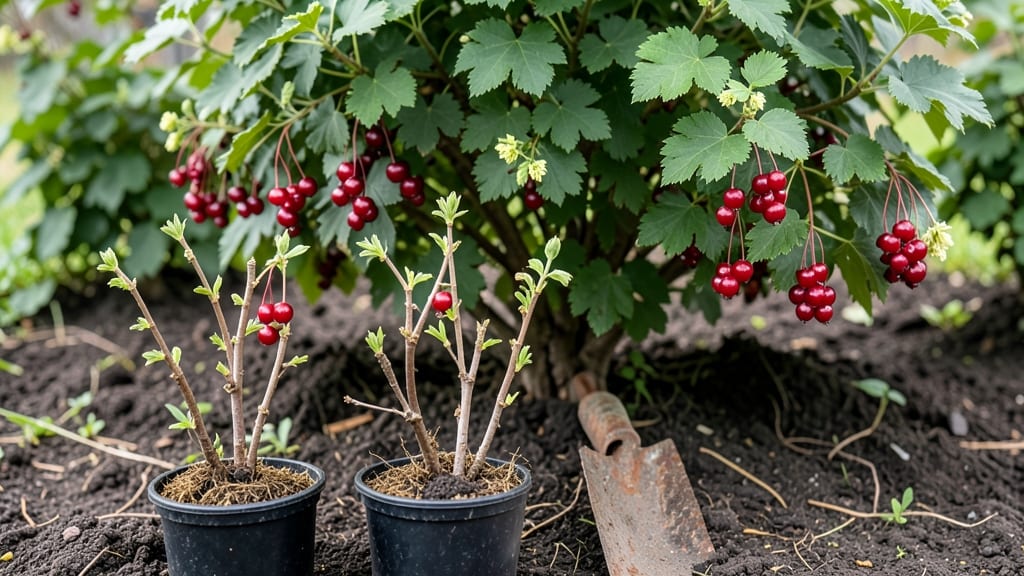
Planting currant bushes means year-round fruit with minimal fuss—my bushes produce berries from early summer through frost, and they're easier to grow than you'd think.
The key starts with healthy nursery stock, the right soil prep, and a few simple planting tricks that make all the difference in how well they establish. I've planted dozens over the years, and the ones that thrive follow these exact steps every time.
You'll need well-draining soil, a sunny spot with at least 6 hours of light, and space to let them spread—6 to 8 feet apart for red and black currants, slightly closer for white.
Dig a hole twice as wide as the root ball but no deeper, then mix in compost to give them a nutrient boost right from the start. The best time to plant is in early spring or fall, when the soil is workable but not frozen.
Once planted, water deeply to settle the soil, then mulch around the base to keep roots cool and retain moisture. Within 4-6 weeks, you'll see new growth, and by next season, those bushes will be loaded with fruit.
The berries are sweetest when fully colored, and they're packed with antioxidants—plus, birds and pollinators love them. This is where the real payoff begins.
Regional hardiness matters: most currants do well in zones 3-7, but check your variety's specific needs. In hotter climates, afternoon shade helps prevent stress, while colder areas benefit from winter mulch. Stick to these steps, and you'll have a productive, low-maintenance bush that keeps giving for years.
📚 In This Guide
- What you need
- Instructions
- Tips and common mistakes
- Wrapping up and next steps
What you need
- ● Currant bushes: 2–5 plants (depending on space; choose red, black, or white varieties).
- ● Garden trowel or spade: For digging holes (6–8 inches deep).
- ● Compost or well-rotted manure: 2–3 gallons per plant (boosts soil fertility).
- ● Organic mulch (straw, wood chips, or leaves): 2–3 inches thick to retain moisture.
- ● Pruning shears: For trimming dead or crossing branches (sterilize with rubbing alcohol).
- ● Garden hose or watering can: With a gentle spray nozzle for hydration.
- ● Garden gloves: To protect your hands from thorns and soil.
- ○ Stakes and twine (optional but helpful): For supporting young or sprawling bushes.
- ● Soil test kit: To check pH (currants prefer slightly acidic soil, 5.5–6.5).
- ● Slow-release fertilizer: Balanced (10-10-10) for early growth.
- ● Bird netting: To protect berries from hungry birds (if planting in a high-traffic area).
- ● Drip irrigation system: For consistent moisture in dry climates.
Step-by-step guide to planting currant bushes
Currants thrive with the right preparation—here’s how to plant them for healthy, productive vines.
Choose the Right Location and Prepare the Soil
Currants need full sun—at least 6 hours of direct sunlight daily—for strong growth and abundant fruit. Pick a spot with well-draining soil, as soggy roots lead to rot. If your soil is heavy clay, mix in 2-3 inches of compost from your materials list to improve drainage and fertility. Test the soil pH—currants prefer slightly acidic to neutral soil (pH 6.0-7.0). If your soil is too alkaline, add sulfur or peat moss to adjust it before planting.
Loosen the soil to a depth of 12 inches with a garden fork, breaking up any compacted layers. This helps roots spread easily. Avoid planting in low spots where water pools, as currants hate wet feet. If your yard has poor drainage, consider raised beds or mounding soil to create a slightly elevated planting area. The goal is to give roots room to grow without sitting in standing water.
Dig Holes and Plant the Bushes
Dig holes twice as wide as the root ball but no deeper—currants dislike being buried too deep, which can suffocate roots. Space the holes 6 feet apart in rows 8 feet apart to allow airflow and easy maintenance. This spacing also gives you room to reach between bushes for pruning and harvesting. Gently remove each bush from its container and tease apart any circling roots—this encourages outward growth instead of tangled roots.
Place the bush in the hole so the top of the root ball sits 1 inch above soil level. Backfill with the amended soil, pressing lightly to remove air pockets but not compacting too firmly. Water deeply to settle the soil and eliminate gaps. Mulch around the base with 2-3 inches of organic mulch, keeping it 2 inches away from the stem to prevent rot. This helps retain moisture and suppress weeds while the bushes establish themselves.
Water and Establish the Bushes for Long-Term Growth
Water the newly planted currants deeply every 2-3 days for the first 2 weeks, then taper to once a week if rainfall is consistent. You’ll know they’re getting enough water when the soil feels moist 2 inches below the surface. Avoid overhead watering, as wet leaves can encourage fungal diseases like powdery mildew. Instead, water at the base using a soaker hose or drip irrigation for targeted moisture.
Fertilize lightly in early spring with a balanced, slow-release fertilizer (like 10-10-10) to support new growth. Currants are low-maintenance once established, but they benefit from annual pruning in late winter to remove dead or crossing branches. Watch for signs of stress—yellowing leaves often mean overwatering or nutrient deficiency, while stunted growth could signal poor drainage or insufficient sunlight. With proper care, your currant bushes will produce fruit for years.
Tips & tricks for planting currant bushes
Planting currant bushes successfully comes down to a few key details that make all the difference between struggling vines and thriving fruit producers.
Sunlight and Soil Preparation: That 6 hours of daily sunlight is non-negotiable for currants—think of it as their energy source. If your yard has areas with less sun, consider planting in containers where you can move them to sunnier spots during the day. I've seen currants planted in partial shade produce half the fruit they would in full sun, so mark your sunniest spot before digging. For soil prep, don't just loosen the top 6 inches—really work that garden fork down to 12 inches to create room for roots to establish deeply. This prevents surface roots that can dry out quickly.
Root Ball Handling: When you remove those bushes from their containers, take your time teasing apart any circling roots you find. I've made the mistake of planting with tangled roots, and while the bushes survived, their growth was stunted for the first two seasons. Think of it like untangling headphones—gentle persistence pays off. Also, that 1-inch elevation above soil level is crucial. If you bury the root ball too deeply, you'll suffocate the stem and create conditions for rot.
Watering Strategy: The deep watering every 2-3 days for those first two weeks is where most beginners go wrong. Many people water lightly every day, which leads to shallow roots. Instead, use your finger to check that moisture at 2 inches below the surface—if it's dry, that's your cue to water deeply. I've found that soaker hoses work best because they deliver water right at the base without wetting the leaves, which helps prevent fungal diseases like powdery mildew that can plague currants.
Mulching Wisdom: That 2-3 inches of organic mulch around your bushes serves two critical purposes: it keeps soil moisture consistent and suppresses weeds that compete for nutrients. But here's what nobody tells you—keep that mulch pulled back 2 inches from the stem. I've seen many gardeners pile mulch right against the trunk, which creates moisture that leads to rot. Think of it like creating a donut shape around your plant with mulch in the middle ring but leaving the center clear.
Pro Tips for Planting Currant Bushes
- Planting currant bushes successfully comes down to a few key details that make all the difference between struggling vines and thriving fruit producers.
- Sunlight and Soil Preparation: That 6 hours of daily sunlight is non-negotiable for currants—think of it as their energy source.
- Root Ball Handling: When you remove those bushes from their containers, take your time teasing apart any circling roots you find.
Frequently asked questions
Got questions about growing currant bushes? You’re not alone! Here are some of the most common concerns—and their straightforward answers—to help you plant with confidence.
When is the best time to plant currant bushes?
Plant currant bushes in early spring or fall when the soil is workable but not frozen. Avoid extreme heat or drought—spring gives roots time to establish before summer, while fall planting lets them settle before winter. Pro tip: If planting in fall, do it at least 6 weeks before the first frost!
How do I choose between red, black, or white currants?
Each variety has its perks! Red currants are tart and great for jams; black currants (the most popular) are sweet-tart and rich in antioxidants; white currants are milder and less common. Pick based on flavor preference, disease resistance (e.g., Consort for black currants), and your climate—some thrive better in cooler zones.
Why are my currant leaves turning yellow?
Yellow leaves often signal overwatering, nutrient deficiency, or fungal issues (like powdery mildew). Check soil moisture—currants prefer well-drained soil. Test for iron or magnesium deficiency (common in alkaline soils) and amend with compost or chelated nutrients. Pro tip: Prune affected branches to improve airflow and reduce humidity around leaves.
Can I grow currants in containers instead of the ground?
Yes! Currants adapt well to large containers (at least 18–24 inches deep) with drainage holes. Use a balanced pH soil mix (6.0–7.0) and repot every 2–3 years. Dwarf varieties like ‘Ben Connan’ work best. Just ensure the container stays consistently moist and move it to partial shade in hot climates to prevent stress.
What pests should I watch for with currant bushes?
Keep an eye out for aphids, currant worms (sawfly larvae), and birds (who love ripe berries!). Use neem oil or insecticidal soap for aphids, handpick worms, and cover bushes with bird netting when fruits ripen. Pro tip: Plant companion herbs like thyme or mint nearby to deter pests naturally!
Wrapping up and next steps
Planting currant bushes is a rewarding way to enjoy year-round fruit and boost your garden’s beauty! With the right location, soil prep, and care, these hardy shrubs will thrive and produce delicious berries for decades.
Whether you’re a seasoned gardener or just starting, the key is patience and consistency—your efforts will pay off with lush vines and bountiful harvests.
Ready to get growing? Start by selecting healthy plants and mark your calendar for next season’s planting—your future self (and taste buds!) will thank you. 🌱✨