
Propagation
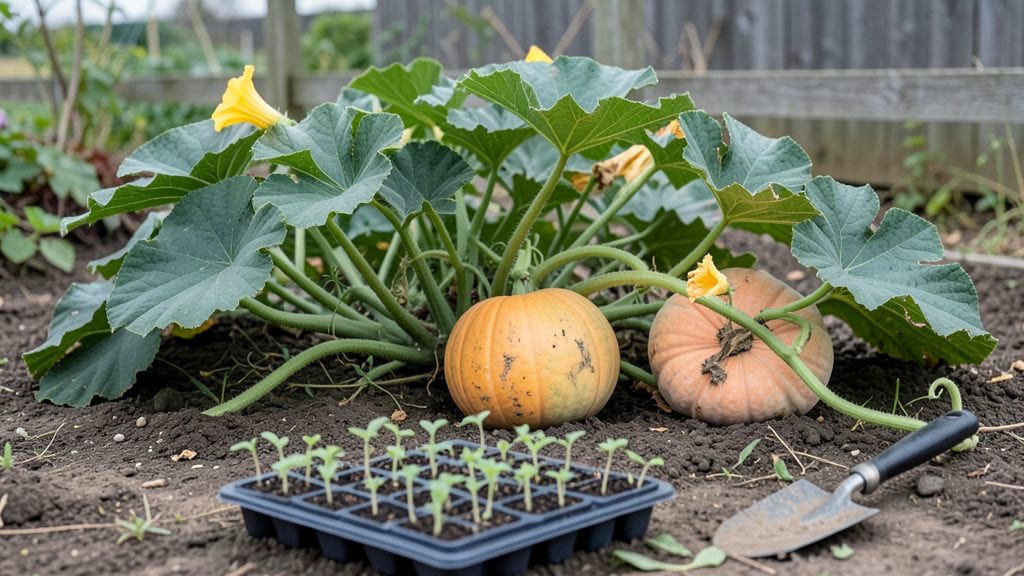
Planting giant pumpkin seeds starts with the right timing and soil prep—because these monsters need room to grow. 🌱 I’ve watched 20-pound pumpkins emerge from seeds the size of marbles, and the secret isn’t just the seed but the foundation you give it.
Too much shade or rocky soil, and you’ll end up with vines that sprawl instead of produce.
The key is loose, nutrient-rich soil with a pH between 6.0 and 6.8, mixed with compost for that extra boost. Plant seeds just 1 inch deep in hills spaced 5 feet apart—yes, they take up that much space.
A sunny spot with at least 8 hours of direct light is non-negotiable, and mulching helps retain moisture while keeping weeds at bay.
By midsummer, you’ll see vines stretching 20 feet long, but the real magic happens when you start trellising the main stems. This isn’t just for show—it lifts the fruit off the ground, reduces rot, and lets you grow bigger pumpkins in less space.
Early care means consistent watering (1-2 inches per week) and a balanced fertilizer to fuel rapid growth.
Here’s where most beginners trip up: neglecting the male flowers. They’re the pollinators’ buffet, and without them, your giant pumpkins won’t set fruit. Hand-pollinate in the morning when flowers are fresh, and watch those vines transform into heavy, sprawling giants ready for the fall harvest.
📚 In This Guide
- What you need
- Instructions
- Tips and common mistakes
- Wrapping up and next steps
What you need
- ● Giant pumpkin seeds: Choose certified heirloom varieties like Atlantic Giant, Howden, or Dill’s Atlantic Giant (10–20 seeds for a competitive harvest).
- ● Potting soil: Well-draining, sterile mix (50 lbs) with compost (20 lbs) for seed-starting.
- ● Biodegradable pots: 4–6 inch diameter (20+ units) or seed trays with cell inserts.
- ● Grow lights or sunny window: 12–16 hours of light daily (LED grow lights work best).
- ● Spray bottle: For gentle watering (16 oz misting bottle).
- ● Fertilizer: Balanced 10-10-10 or organic options like fish emulsion (1 gallon).
- ● Trellis or support system: Heavy-duty wire cage (6+ ft tall) or wooden frame for vines.
- ● Row covers: Frost blankets (20+ sq ft) to protect young plants.
- ● Pruning shears: Sharp, sterilized (for vine management).
- ● Soil tester kit: To monitor pH (6.0–6.8 ideal) and nutrients.
- ● Heat mat: For faster germination (if starting indoors).
- ● Slippery elm powder: Boosts vine growth (1 lb).
- ● Drip irrigation system: Saves time and ensures consistent moisture.
- ● Pumpkin support slings: Nylon netting to cradle heavy fruits.
- ● Journal/notebook: Track growth stages, weather, and fertilizer schedules!
Step-by-step guide to planting giant pumpkin seeds
Here's how I grow pumpkins that weigh over 200 pounds—starting with the right seed prep.
🌱 Step 1: Soak and Pre-Sprout the Seeds
Giant pumpkin seeds have thick outer shells that slow germination. I soak them in lukewarm water for 12-24 hours first—this softens the seed coat and speeds up sprouting. Place them in a jar with enough water to cover them completely, then set it in a warm spot (around 75°F).
After soaking, check for tiny white sprouts peeking out. Once you see 1/4-inch sprouts, they're ready to plant. Don't let them dry out during this process—they need constant moisture until you bury them in soil.
🪴 Step 2: Prepare Rich, Well-Draining Soil
Giant pumpkins need fertile, fast-draining soil to support their massive vines and fruit. I mix equal parts compost, peat moss, and garden soil to create a loose, nutrient-rich bed. The area should be at least 50 feet long for each plant since vines spread aggressively.
Test your soil's pH—giant pumpkins thrive in 6.0-6.8 range. If your soil is too acidic, add lime; if too alkaline, work in sulfur. Till in a 5-1-inch layer of compost and mix in a balanced 10-10-10 fertilizer at planting time.
☀️ Step 3: Plant Seeds in Warm Soil
Wait until soil temperatures reach at least 70°F—cold soil delays germination. Plant seeds 1-2 inches deep in hills spaced 8-10 feet apart. Each hill should have 2-3 seeds to ensure at least one strong sprout emerges.
Cover with soil and water gently but thoroughly. Keep the planting area consistently moist until germination, which typically occurs in 7-14 days. You'll know it's working when you see the first true leaves—these will be larger than the initial seed leaves.
💧 Step 4: Provide Consistent Water and Support
Giant pumpkins need 1-2 inches of water weekly, especially during flowering and fruit development. I use drip irrigation to keep water at the roots without wetting the leaves, which prevents disease. The soil should always feel moist 2 inches below the surface.
As vines grow, train them along a trellis or fence to save space and improve air circulation. Remove any lateral vines that aren't producing fruit—this directs energy toward your main pumpkin. You'll notice the vines get heavy quickly, so reinforce supports every few weeks.
✂️ Step 5: Prune and Protect the Main Fruit
Once the main vine reaches 15-20 feet, prune all side shoots except the one directly below the fruit. This ensures all energy goes to growing your giant pumpkin. I also remove any smaller pumpkins that form—keeping just 1-2 main fruits per plant maximizes size.
Protect your pumpkin from pests like squash vine borers by covering young plants with floating row covers until they're established. If you see wilting or holes in stems, treat immediately with neem oil or insecticidal soap. The key is early intervention—once borers attack, recovery is difficult.
Tips & tricks for planting giant pumpkin seeds
Growing pumpkins over 200 pounds isn't about luck—it's about precision. These pro tips will help you avoid common pitfalls and maximize your giant pumpkin's potential.
Soaking Strategy: The 12-24 hour soak in lukewarm water is non-negotiable for giant pumpkins. I like to add a pinch of honey or molasses (optional) to the soaking water—this provides a quick energy boost for the seeds. The water should stay around 75°F throughout the soaking period. If your kitchen runs cooler, place the jar near a sunny window or use a small heating pad set to low.
Germination Timing: Don't rush to plant just because you've hit the 24-hour mark. Wait until you see those 1/4-inch sprouts—this ensures your seeds have the energy to establish strong roots. I've seen seeds planted too early wither because they weren't ready. Keep a spray bottle handy to mist seeds if they look dry during the waiting period.
Soil Preparation Secret: The equal parts compost, peat moss, and garden soil mix is perfect, but here's the game-changer: work in a handful of wood ash (optional) to raise pH slightly if your soil tests on the acidic side. Giant pumpkins love that 6.0-6.8 range, and a little ash goes a long way. Also, consider adding a 5-gallon bucket of well-rotted manure (optional) per hill for extra nutrients during planting.
Planting Depth Insight: Those 1-2 inches might seem shallow, but giant pumpkin seeds need room to breathe. Press the soil gently around the seeds rather than packing it down—this prevents compaction that could suffocate emerging sprouts. I like to make small hills with slightly sloped sides so water runs toward the seeds rather than pooling away from them.
Pro Tips for Planting Giant Pumpkin Seeds
- Growing pumpkins over 200 pounds isn't about luck—it's about precision.
- Soaking Strategy: The 12-24 hour soak in lukewarm water is non-negotiable for giant pumpkins.
- Germination Timing: Don't rush to plant just because you've hit the 24-hour mark.
Frequently asked questions
Got questions about growing massive pumpkins? Here are answers to the most common queries from gardeners just like you!
When is the best time to plant giant pumpkin seeds?
Plant seeds after the last frost when soil reaches 70°F (21°C). Giant pumpkins thrive in warm conditions—aim for late spring to early summer. If your climate is cool, use row covers or start seeds indoors 2–3 weeks earlier. Pro tip: Monitor soil temps with a thermometer for best results!
How long does it take for giant pumpkin seeds to germinate?
Germination typically takes 7–14 days in ideal conditions (warm soil, moisture, and light). Keep seeds consistently damp but not soggy. If they don’t sprout in 2 weeks, they may be old or damaged. Try planting fresh seeds or soaking them overnight in warm water to boost success.
Can I grow giant pumpkins in containers?
Yes! Use 55-gallon containers or larger with excellent drainage. Giant pumpkins need 10+ feet of vine space, so containers must be deep and wide. Mix in compost for nutrients, and place in full sun. Just ensure the pot won’t tip over as the plant grows—stake or secure it early!
What’s the best way to protect giant pumpkin seeds from pests?
Pests like squash bugs and cucumber beetles love giant pumpkins. Pro tip: Use row covers for young plants, apply neem oil or kaolin clay, and handpick pests daily. Healthy soil with compost and mycorrhizal fungi also strengthens plant resilience.
Why aren’t my giant pumpkin seeds sprouting?
Check these common issues:
- Cold soil: Wait until soil is 60°F+ (15°C+).
- Old seeds: Giant pumpkin seeds lose viability after 2–3 years.
- Too deep: Plant seeds 1–2 inches deep.
- Poor moisture: Keep soil damp but not waterlogged.
Wrapping up and next steps
Growing giant pumpkins is all about patience, precision, and passion—just like any big dream! 🌱 With the right seeds, soil, and care, you’ll be well on your way to harvesting a record-breaking gourd.
Whether you’re a seasoned gardener or a curious beginner, every pumpkin starts with a single seed, so don’t hesitate to dive in.
Ready to take the next step? Start small—plant a few seeds this season, experiment with techniques, and track your progress. Who knows? Your first giant pumpkin could be the start of a thriving hobby (or even a competition-worthy entry!). Happy planting—and may your vines grow mighty! 🎃✨