How To
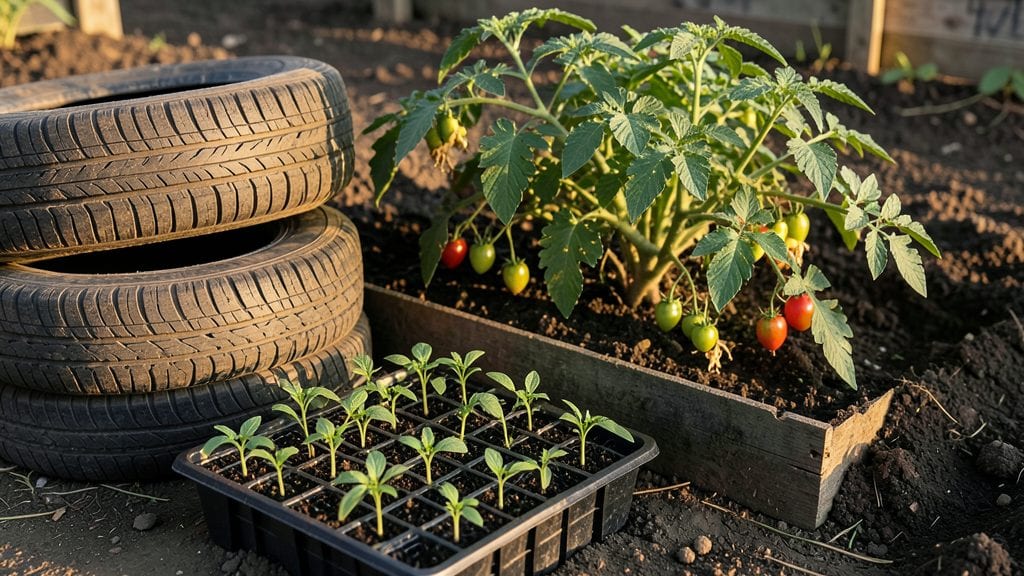
Planting in tires turns old rubber into thriving herb gardens that actually work. 🌱 I’ve filled three tires with basil, thyme, and kale—and they’re still going strong after two growing seasons. The trick is treating them like any other container, just with a little extra prep to keep roots happy.
You’ll need tires with good tread (no cracks), a drill for drainage holes, and a mix of potting soil and compost. Herbs like rosemary and parsley thrive in tires because they don’t need deep roots, while leafy greens grow surprisingly well if you keep the soil moist.
The best part? No digging, no weeds, just easy access to fresh herbs right outside your door.
Once planted, water deeply but let the soil dry slightly between waterings—tires dry out faster than you’d think. In just a few weeks, you’ll have lush, fragrant herbs ready for cooking, and the tires themselves become a conversation piece. Plus, you’re keeping rubber out of landfills while growing food.
This method works in small spaces, on patios, or even stacked vertically. Perfect for renters, urban gardeners, or anyone who wants low-maintenance, high-reward gardening. Let’s get those tires planted!
📚 In This Guide
- What you need
- Instructions
- Tips and common mistakes
- Wrapping up and next steps
What you need
- ● Tires: 1–3 clean, dry tires (preferably without cracks or sharp edges). Size varies: 12"–16" diameter works best for herbs; larger tires (18"+) suit veggies like tomatoes or peppers.
- ● Drill or screwdriver: To create drainage holes (¼"–½" diameter). Pro tip: Space holes 2–3" apart around the tire’s base!
- ○ Potting soil: 1–2 bags of high-quality, well-draining mix (e.g., Miracle-Gro All Purpose or FoxFarm Ocean Forest). Optional: Mix in perlite or vermiculite (10–20%) for extra aeration.
- ● Plants: Seedlings or seeds for herbs (basil, mint, thyme) or veggies (lettuce, radishes, peppers). Note: Choose compact varieties for small tires!
- ● Watering can or hose: With a gentle spray nozzle to avoid displacing soil.
- ○ Paint (optional but fun!): Non-toxic, weatherproof acrylic paint + brush to customize your tire planter.
- ● Drip irrigation kit: For hands-off watering (great for busy gardeners!).
- ● Mulch (straw or shredded leaves): To retain moisture and suppress weeds.
- ● Tire casters or wheels: Attach 2–4 small wheels to the bottom for mobility (perfect for patios!).
- ● Fertilizer: Slow-release granules (like Osmocote) or liquid feed (e.g., Fish Emulsion) for a nutrient boost.
- ● Plant markers: Chalkboard labels or popsicle sticks to track your green thumb’s progress!
Step-by-Step instructions for planting in upcycled tires
Here's how to transform old tires into thriving planters for herbs and veggies—no gardening experience needed.
🪴 Step 1: Clean and Prepare the Tires
Start by thoroughly cleaning the tires with warm, soapy water to remove any dirt, grease, or debris. Scrub the inside and outside with a stiff brush, focusing on the bottom where roots will grow. Rinse well and let them dry completely in the sun—this kills any lingering bacteria and prevents mold.
Once dry, use a drill to add drainage holes along the bottom edge. Space them about 2-3 inches apart in a circular pattern. This ensures excess water escapes, protecting roots from rot. If the tires have a rough interior, sand any sharp edges to prevent damaging delicate plants.
🌱 Step 1: Add Drainage and Potting Mix
Place a layer of 1-2 inches of small rocks or broken pottery in the bottom of each tire. This creates a drainage reservoir that keeps soil from becoming waterlogged. Next, fill the tire about halfway with high-quality potting mix, pressing it down lightly to remove air pockets.
For herbs and small veggies, a 6-inch-tall tire works perfectly—it gives roots enough room without overwhelming the plant. If using larger tires, fill them only 2/3 full with soil to allow for root growth. Avoid garden soil; it compacts too easily and drains poorly in containers.
☀️ Step 2: Plant Your Herbs or Veggies
Dig a hole in the center of the tire just deep enough to cover the roots of your plant. For seedlings, gently remove them from their nursery pots and place them in the hole, spreading roots outward. For seeds, plant them at the depth recommended on the packet, usually twice the seed’s diameter.
Cover the roots or seeds with soil, pressing lightly to secure them. Water gently until the soil is evenly moist but not soggy. Place the tire in a sunny spot—most herbs and veggies need 6+ hours of sunlight daily. If using a dark-colored tire, it may absorb heat; move it to partial shade on hot afternoons to prevent wilting.
💧 Step 3: Water and Maintain Consistently
Water the plants whenever the top 1 inch of soil feels dry. Tires dry out faster than traditional pots, so check moisture daily during hot weather. Water at the base to avoid wetting the leaves, which can lead to fungal issues. A drip irrigation system or watering can with a narrow spout works best.
Fertilize lightly every 4-6 weeks with a balanced, water-soluble fertilizer diluted to half strength. Over-fertilizing can burn roots in confined spaces. Rotate the tires occasionally so all sides get equal sun exposure—this prevents plants from leaning toward the light.
✂️ Step 4: Harvest and Prune for Continued Growth
Harvest herbs like basil or cilantro by snipping leaves just above a set of healthy leaves. For veggies like lettuce or radishes, pick when fully mature but before they bolt. Regular harvesting encourages bushier growth and prevents overcrowding in the tire’s limited space.
Prune any yellow or damaged leaves immediately to redirect the plant’s energy. If roots start circling the bottom (a sign of root-bound plants), consider repotting into a slightly larger tire or dividing the plant. With proper care, your tire planters can produce food for 2-3 seasons before needing a refresh of soil.
Tips & tricks for perfect upcycled tire planters
Transforming old tires into thriving planters is easier than you think—these tricks will help you avoid common pitfalls and maximize your harvest.
Drainage is Non-Negotiable: Those 2-3 inch drainage holes in Step 1 aren't just recommended—they're essential. If you skip them, water will pool at the bottom, causing root rot within days. For extra insurance, add a 1-inch layer of gravel on top of the drainage layer to prevent soil from clogging the holes over time.
Soil Depth Matters: Filling tires only halfway with potting mix (or 2/3 full for larger tires) might seem counterintuitive, but it's crucial. Roots need room to grow downward, not sideways. Overfilling restricts growth and leads to waterlogging. Press the soil down lightly to eliminate air pockets, but don't compact it like garden soil.
Sunlight Strategy for Dark Tires: Dark-colored tires can get dangerously hot—up to 100°F on sunny afternoons. If your tire absorbs too much heat, move it to partial shade during peak sun (11 AM-3 PM). Light-colored tires stay cooler, but even they need protection in extreme heat. A simple white plastic shade cloth works perfectly if you don't have a shady spot.
Harvesting Hack: When harvesting herbs like basil or cilantro, always snip just above a set of healthy leaves. This encourages bushier growth by stimulating new shoots from the leaf nodes. For veggies like lettuce, pick outer leaves first to give inner leaves room to mature. Regular harvesting prevents overcrowding in the tire's limited space.
Pro Tips for Planting In Tires
- Transforming old tires into thriving planters is easier than you think—these tricks will help you avoid common pitfalls and maximize your harvest.
- Drainage is Non-Negotiable: Those 2-3 inch drainage holes in Step 1 aren't just recommended—they're essential.
- Soil Depth Matters: Filling tires only halfway with potting mix (or 2/3 full for larger tires) might seem counterintuitive, but it's crucial.
Frequently asked questions
Got questions about turning old tires into lush gardens? You’re not alone! Here are answers to the most common queries—because even upcycled containers need a little TLC to thrive.
Can I use any old tire for planting?
Not all tires are created equal! Look for clean, undamaged tires without cracks or sharp edges. Avoid tires with embedded metal studs (common in winter tires) or those treated with toxic chemicals. If unsure, give the tire a good scrub with soapy water and let it dry in the sun for 24 hours before planting.
When is the best time to start planting in tires?
Timing depends on your climate and plants. For warm-season crops (like tomatoes or peppers), wait until after the last frost—usually late spring. Cool-season greens (kale, lettuce) can go in early spring or fall. Pro tip: Start with fast-growing herbs (basil, mint) in early summer to test your setup before committing to veggies!
What if my plants aren’t growing well in tires?
Slow growth often boils down to drainage, sunlight, or nutrients. Check for:
- Drainage holes: Tires need 4–6 holes drilled in the bottom to prevent root rot.
- Sunlight: Most veggies need 6+ hours of sun daily—move tires if they’re shaded.
- Soil mix: Plain dirt compacts easily; blend with compost or coconut coir for fluffiness.
If pests strike, handpick bugs or spray with neem oil (safe for edibles!).
Are there better alternatives to planting in tires?
Tires are great for durability and mobility, but alternatives include:
- Gutters or buckets: Lighter, easier to move, and often pre-drilled.
- Wooden crates: Rustic look, but requires sealing to prevent rot.
- Fabric grow bags: Breathable and portable, but less sturdy long-term.
Tires win for heavy plants (like squash) or if you’re repurposing scrap materials!
How do I protect tire gardens in winter?
Tires retain cold, so empty and store them if temps drop below freezing. For overwintering:
- Insulate: Wrap tires in bubble wrap or burlap.
- Move indoors: Place near a sunny window for hardy greens (spinach, Swiss chard).
- Reduce watering: Soil stays moist longer in cold weather.
Spring is the perfect time to refresh soil and replant!
Wrapping up and next steps
Planting in tires is a creative, eco-friendly way to grow herbs and veggies while reducing waste! 🌱 With just a few simple steps—like drilling drainage holes, filling with soil, and choosing the right plants—you can transform old tires into thriving gardens.
This method is perfect for small spaces, urban balconies, or even teaching kids about sustainability.
Now that you’re ready to start, pick your favorite herbs or veggies and get planting! Share your progress with the gardening community or even gift a tire planter to a friend. Happy growing—your green thumb (and the planet) will thank you! 🌿