
Pruning
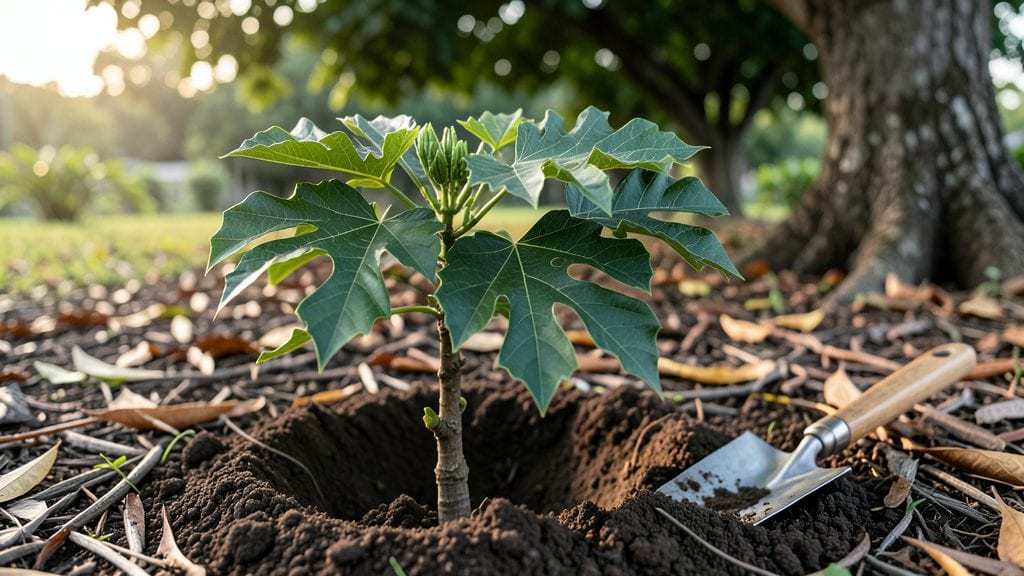
Planting a jackfruit tree means tropical fruit success starts with the right spot and soil. 🌿 I’ve grown jackfruit in South Florida’s heat, and the key is mimicking its native conditions—well-draining soil, full sun, and protection from cold snaps. The first year is all about root establishment, not fruit production.
You’ll need a young tree (3-5 feet tall) from a nursery, a hole twice as wide as its root ball, and compost mixed into the native soil. Jackfruit hates soggy roots, so raised beds or mounds work best in heavy clay.
Mulch heavily to retain moisture and block weeds—this tree grows fast, and competition is its enemy.
Within three seasons, you’ll see massive leaves and maybe even your first fruit. The tree’s rapid growth means it can reach 60 feet tall, so plan for space or prune early to shape it.
Just watch for frost—even a light freeze can damage young leaves, so cover it if temperatures dip below 32°F.
Common mistakes? Planting too deep, overwatering, or ignoring pests like fruit flies. But once established, this tree thrives with minimal fuss. Here’s how to set it up for long-term success in your climate.
📚 In This Guide
- What you need
- Instructions
- Tips and common mistakes
- Wrapping up and next steps
What you need
- ● Jackfruit seeds: 1–3 fresh, viable seeds (harvested from ripe fruit; soak in water for 24–48 hours to soften the shell).
- ● Well-draining potting mix: 5–10 gallons (for containers) or enriched garden soil (for in-ground planting). Mix with compost or coconut coir for moisture retention.
- ○ Container (optional for early growth): 5–7 gallon pot with drainage holes (if starting indoors).
- ○ Fabric grow bag (optional, for better root aeration).
- ● Watering can or hose: With a gentle spray nozzle for seedlings.
- ● Fertilizer: Balanced 10-10-10 fertilizer (for young trees).
- ● Organic options: Compost tea, worm castings, or banana peel fertilizer (rich in potassium).
- ● Pruning shears: Sharp, sterilized shears (for shaping and removing dead branches).
- ● Mulch: 2–3 inches of organic mulch (e.g., wood chips or straw) to retain moisture and suppress weeds.
- ● Hardiness zone: 10–11 (USDA) or tropical/subtropical regions (jackfruit hates frost!).
- ● Sunlight: Full sun (6+ hours daily). Partial shade for young seedlings.
- ● Soil pH: Slightly acidic to neutral (6.0–7.5). Test with a soil pH kit if unsure.
- ● Space: Mature trees need 30–50 feet of spacing (they grow fast!).
- ● Containers: Ensure pots are at least 18 inches wide for dwarf varieties.
- ● Root stimulator: Mycorrhizal fungi or liquid rooting hormone for faster germination.
- ● Drip irrigation system: Automates watering (jackfruit loves consistency!).
- ● Shade cloth: 30–50% coverage for seedlings in intense afternoon sun.
- ● Pest control: Neem oil or insecticidal soap (for aphids/mealybugs).
- ○ Trellis or support: For heavy fruit-bearing branches (optional for dwarf varieties).
Step-by-Step instructions for planting a jackfruit tree
Here's how to get your tropical fruit tree thriving in just a few focused steps.
🌱 Step 1: Choose the Right Planting Location and Prepare the Site
Jackfruit trees love warmth and need full sun exposure—at least 6-8 hours daily. Pick a spot sheltered from strong winds, as young trees are delicate. If you're in a cooler climate, plant near a south-facing wall or use a large container that you can move indoors during winter.
Dig a hole twice as wide as the root ball and just as deep. Loosen the soil at the bottom with a shovel or garden fork to encourage root spread. If your soil drains poorly, mix in a handful of coarse sand or perlite to improve aeration. This tree hates soggy roots, so good drainage is non-negotiable.
🪴 Step 2: Plant the Tree at the Correct Depth and Stake for Support
Remove the jackfruit tree from its container and gently loosen the roots if they're circling. Place it in the hole so the top of the root ball sits 1-2 inches above ground level. Backfill with native soil, tamping lightly as you go to eliminate air pockets. Water deeply to settle everything.
Stake the tree only if needed—young jackfruit trees can grow tall quickly and may need support. Use two sturdy stakes on opposite sides and tie the trunk loosely with soft fabric strips. Avoid tight ties that can girdle the stem as it grows. Mulch around the base with 2-3 inches of organic mulch, keeping it 6 inches away from the trunk to prevent rot.
☀️ Step 3: Water Deeply and Establish a Care Routine
Water the tree deeply once a week for the first month, ensuring moisture reaches 12-18 inches down. After that, water every 10-14 days, adjusting based on rainfall. Jackfruit trees are drought-tolerant once established, but young trees need consistent moisture to develop strong roots. You'll know it's thirsty when the top 2 inches of soil feel dry.
Fertilize lightly in the first year—just a handful of balanced 10-10-10 fertilizer spread around the root zone in early spring. Over-fertilizing can burn tender roots. Prune only to remove dead or crossing branches; jackfruit trees grow best when left to develop their natural shape. Watch for signs of stress like yellowing leaves or wilting, which often means too much sun or water.
⏰ Step 4: Protect and Monitor for the First Growing Season
Young jackfruit trees are sensitive to cold. If temperatures drop below 40°F, cover the tree with a frost cloth or move potted trees indoors. In warmer climates, they'll grow 3-5 feet per year and may even flower in their third year. Be patient—fruit production takes 5-7 years from planting, but proper care now ensures a healthy, productive tree later.
Check the tree monthly for pests like aphids or scale, which love tender new growth. Spray with neem oil if you spot any, but avoid harsh chemicals that can harm the tree's delicate foliage. With consistent care, your jackfruit tree will reward you with massive, fragrant fruit clusters in just a few seasons.
Tips & tricks for planting a jackfruit tree
Here's what I've learned from growing jackfruit trees in tropical climates—these details make all the difference between a struggling plant and a thriving fruit producer.
Sunlight Strategy: The 6-8 hours of daily sun in Step 1 is non-negotiable, but here's the thing: jackfruit trees actually perform best with morning sun and afternoon shade in extremely hot climates. If your summers hit 95°F+, consider partial afternoon shade during the first growing season to prevent leaf scorch. I've seen trees in full sun all day struggle in 100°F heat, while those with afternoon protection thrived.
Root Ball Preparation: When you're loosening those roots in Step 2, don't just pull at them—score the bottom of the root ball with your fingers or a knife to encourage new root growth outward. This helps prevent the "root-bound" shock many young trees experience. I also recommend soaking the root ball for 10-15 minutes before planting to ensure it's fully hydrated when you put it in the ground.
Watering Wisdom: That first month of weekly deep watering in Step 3 is crucial, but here's my pro tip: use a moisture meter to check that water reaches those 12-18 inches deep. I've found that even with weekly watering, some soils (especially clay) don't actually reach the required depth. If you don't have a meter, stick a long screwdriver in—if it comes out dry, water again. The top 2 inches being dry isn't enough!
Cold Protection Plan: The 40°F warning in Step 4 is critical, but don't wait until the last minute to act. I've seen jackfruit trees suffer damage even at 42°F. Start monitoring your local forecast 2-3 days in advance and have your frost cloth or indoor space ready. For potted trees, move them to a garage or sunny indoor spot—they'll handle cooler temps better with protection from drafts.
Pro Tips for Planting Jackfruit Tree
- Here's what I've learned from growing jackfruit trees in tropical climates—these details make all the difference between a struggling plant and a thriving fruit producer.
- Sunlight Strategy: The 6-8 hours of daily sun in Step 1 is non-negotiable, but here's the thing: jackfruit trees actually perform best with morning sun and afternoon shade in extremely hot climates.
- Root Ball Preparation: When you're loosening those roots in Step 2, don't just pull at them—score the bottom of the root ball with your fingers or a knife to encourage new root growth outward.
Frequently asked questions
Got questions about planting your jackfruit tree?
You’re not alone—this tropical giant has a few quirks! Here are answers to the most common concerns to help you grow with confidence.
When is the best time to plant a jackfruit tree?
The ideal window is late spring or early summer (after the last frost in your zone). Jackfruit thrives in warm soil, so avoid planting in fall or winter unless you’re in a frost-free climate. If you must plant outside this window, use mulch to protect roots from cold snaps.
How long does it take for a jackfruit tree to bear fruit?
Patience is key—most jackfruit trees take 3–5 years to produce fruit, though dwarf varieties may fruit in 2 years with ideal care. Factors like soil quality, sunlight, and watering speed up the process. Pro tip: Fertilize with citrus-specific nutrients (high in nitrogen early, potassium later) to encourage faster growth!
Can I grow a jackfruit tree in a pot, or does it need to be planted in the ground?
Young jackfruit trees can thrive in pots (15+ gallon containers) for 1–2 years, but they’re not long-term container plants. Their roots grow aggressively—once established, transplant to the ground for best results. If you live in a cold climate, keep potted trees indoors during winter and move them outside in spring.
Why are my jackfruit tree leaves turning yellow or dropping?
Yellow leaves usually signal overwatering, nutrient deficiency, or root rot. Check soil moisture (it should be dry 1–2 inches down), and ensure proper drainage. Brown edges? It’s likely underwatering or salt buildup. Feed with a balanced fertilizer (10-10-10) every 2–3 months to prevent deficiencies.
Are jackfruit trees drought-tolerant once established?
Once mature, jackfruit trees are moderately drought-tolerant but still need 1–1.5 inches of water weekly during dry spells. Deep watering (soaking the root zone) is better than frequent shallow watering. Warning: Overwatering is worse than drought—these trees hate soggy roots!
Can I grow jackfruit from seed, or should I buy a grafted tree?
While you can grow from seed, it may take 10+ years to fruit—and the fruit won’t match the parent tree’s quality. Grafted trees (available at nurseries) fruit faster and produce better-quality fruit. If starting from seed, choose ripe, healthy fruit and plant seeds immediately for best germination.
Wrapping up and next steps
Planting a jackfruit tree is a rewarding journey that brings tropical flavors and lush greenery to your space—whether you’re a seasoned gardener or a curious beginner! 🌱 With the right soil, sunlight, and care, you’ll soon enjoy its fragrant flowers and nutritious fruit in just 3 sunny seasons.
Start small, stay patient, and watch your efforts bloom into a thriving tree that feeds both your garden and your table.
Ready to take the next step? Grab your gloves, pick a sunny spot, and plant that seedling today! Your future jackfruit harvest is waiting. 🌴