Propagation
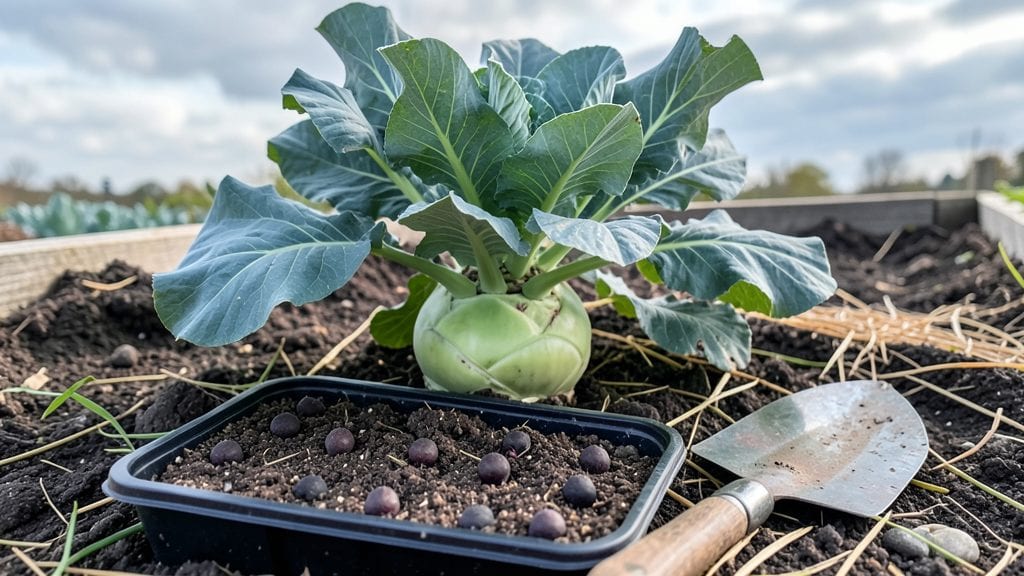
Planting kohlrabi seeds gives you a 45-day harvest—faster than most vegetables, and the secret starts with timing and soil. I’ve grown kohlrabi for years, and the difference between a thriving crop and a sad one comes down to those first few weeks in the ground.
The key? Cool soil, consistent moisture, and a spot where the sun kisses the leaves all day. Skip the fancy tools—just a trowel, some seeds, and a little patience.
You’ll need well-draining soil mixed with compost, seeds spaced just 1 inch apart, and a depth of only ½ inch—too deep and they’ll struggle. Kohlrabi loves cool weather, so aim for spring or fall plantings in most climates.
In hot zones, opt for early spring or late summer to avoid bolting. The payoff? Crisp, mild bulbs ready to harvest when they’re 2-3 inches wide, long before many other veggies even think about producing.
Watering is where most beginners trip up—keep the soil evenly moist but never soggy. A light mulch helps retain moisture and keeps roots cool. Once seedlings pop (usually in 5-10 days), thin to 4 inches apart for proper air circulation.
The bulbs won’t form if crowded, and you’ll end up with leggy, bitter stems instead of the sweet, tender harvest you’re after.
Here’s the best part: kohlrabi thrives with companions like cabbage, lettuce, and onions, while deterring pests naturally. No need for fancy setups—just a sunny patch, a little attention, and you’ll be snacking on homegrown goodness before Memorial Day. Ready to grow yours?
📚 In This Guide
- What you need
- Instructions
- Tips and common mistakes
- Wrapping up and next steps
What you need
- ● Kohlrabi seeds: 1–2 packets (50–100 seeds per packet; choose a variety like ‘Purple Vienna’ or ‘White Vienna’ for best results).
- ● Seed-starting mix: 1–2 gallons of sterile, well-draining potting soil (or compost + perlite mix for DIYers).
- ● Containers: For indoor starts: 2–4 biodegradable seedling pots (2–3 inches deep) or a seed tray with cells.
- ● For direct sowing: A garden bed with loose, fertile soil (amend with compost if needed).
- ● Watering can or spray bottle: With a fine rose nozzle for gentle watering.
- ● Grow lights or sunny windowsill: 6–8 hours of light daily (if starting indoors).
- ○ Garden twine or stakes (optional but helpful): For trellising if growing ‘leafy’ varieties.
- ● Plant labels: To track varieties and planting dates.
- ● Row covers or frost cloth: For early-season protection (if temps dip below 50°F).
- ● Organic fertilizer: Balanced 10-10-10 or compost tea for a nutrient boost.
- ● Mulch: Straw or shredded leaves to retain moisture and suppress weeds.
- ● Knee pads or gardening gloves: For comfort during planting/harvesting.
Step-by-Step instructions for planting kohlrabi seeds
Here’s how to grow this speedy, crunchy vegetable in just 45 days—no fuss, no waiting.
Prepare the Soil for Optimal Germination
Kohlrabi thrives in loose, well-draining soil with a pH between 6.0 and 7.0. Before planting, work in 2 inches of compost into the top 6 inches of soil to improve fertility and drainage. Kohlrabi roots expand quickly, so avoid heavy clay—amend it with sand or perlite if needed. Test moisture by squeezing a handful: it should hold together but not feel damp. If your soil is too dense, mix in 1 part peat moss to 3 parts garden soil for better root penetration.
Choose a location with full sun to partial shade—at least 4-6 hours of direct sunlight daily. Kohlrabi grows best in cooler weather, so plant seeds 2-3 weeks before your last frost date in spring or 6-8 weeks before your first fall frost. If temperatures exceed 80°F, growth slows and bulbs may become woody. A light row cover can help regulate soil warmth in hot climates.
Sow Seeds at the Correct Depth and Spacing
Plant seeds ½ inch deep and 1 inch apart in rows spaced 18 inches apart. Kohlrabi seeds are small, so use a seed starter tool or your finger to create precise furrows. Drop 2-3 seeds per spot—thinning later ensures stronger plants. Cover lightly with soil and gently press to eliminate air pockets, which can prevent germination. Water immediately with a fine mist to settle the seeds without displacing them.
Keep the soil consistently moist (not soggy) until germination, which typically occurs in 5-10 days at 60-70°F. If the surface dries out, seeds may fail to sprout. Use a soaker hose or water at the base to avoid disturbing seedlings. Once true leaves (the second set after the initial cotyledons) appear, thin seedlings to 4 inches apart in rows. Snip unwanted plants with scissors at soil level—pulling risks damaging roots of nearby survivors.
Maintain Moisture and Fertility for Rapid Growth
Kohlrabi grows best with 1 inch of water per week, delivered consistently. Let the top inch of soil dry between waterings to prevent rot, but never allow the bulb to dry out—this causes bitter flavor. Mulch with 2 inches of straw or shredded leaves to retain moisture and suppress weeds. Avoid overhead watering once seedlings emerge; direct water at the base to reduce disease risk.
Feed plants with a balanced, water-soluble fertilizer (10-10-10) every 3-4 weeks starting when seedlings are 2 inches tall. Kohlrabi is a heavy feeder, so side-dress with compost tea midway through growth for extra nutrients. Watch for yellowing leaves, which signal nitrogen deficiency—apply a low-nitrogen fertilizer (like fish emulsion) if needed. Harvest before bulbs exceed 2-3 inches in diameter to avoid toughness; larger bulbs become pithy and lose sweetness.
Harvest at Peak Crunch for Best Flavor
Kohlrabi reaches harvest readiness in just 45 days—earlier than most root vegetables. Check plants when bulbs are 2-3 inches wide and still firm to the touch. Grip the bulb gently and twist; it should pull free easily. Use a small knife to trim the stem to ½ inch above the bulb to prevent regrowth. Harvest in the morning when temperatures are coolest for maximum crispness.
Store harvested kohlrabi in the crisper drawer of your refrigerator for up to 2 weeks. For longer storage, trim leaves and store bulbs in a paper bag in the fridge. Kohlrabi’s fast growth makes it perfect for succession planting: sow new seeds every 2 weeks for a continuous harvest. If you miss the window, fall plantings in cool climates can extend the season until frost.
Tips & tricks for perfectly planting kohlrabi seeds
These quick but essential tips will help you avoid common pitfalls and maximize your kohlrabi harvest in just 45 days.
Soil Preparation is Non-Negotiable: The 6.0-7.0 pH range and loose soil structure in Step 1 are critical for kohlrabi's rapid growth. If your soil tests higher than 7.0, amend with sulfur or peat moss before planting. I've learned the hard way that heavy clay soil causes bulbs to develop unevenly—take the time to properly amend now to avoid headaches later. The 2 inches of compost you're adding should be well-aged; fresh compost can burn tender seedlings.
Germination Timing Matters: Those 5-10 days for germination at 60-70°F can feel like an eternity, but don't rush it. Create a seedling heat mat or use black plastic mulch to maintain consistent soil temperatures if your climate fluctuates. I recommend checking soil moisture daily during this period—seeds need consistent moisture but will rot if waterlogged. A simple way to test is to stick your finger in the soil: it should feel like a damp sponge, not a wet towel.
Thinning Technique Prevents Damage: In Step 2, when you're thinning seedlings to 4 inches apart, use scissors instead of pulling. I made the mistake of pulling seedlings by hand and ended up damaging the roots of neighboring plants. Snipping at soil level gives your remaining plants the best chance to establish strong root systems. This small detail makes a surprisingly big difference in bulb development.
Watering Strategy for Rapid Growth: The 1 inch of water per week in Step 3 is a guideline, but timing matters more than quantity. Water in the morning so leaves have time to dry, reducing disease risk. I've found that mulching with straw creates a microclimate that maintains consistent moisture—this is especially important during the 45-day growth period. Watch for wilting leaves as an early sign of moisture stress, but never let the soil dry completely between waterings.
Pro Tips for Planting Kohlrabi Seeds
- These quick but essential tips will help you avoid common pitfalls and maximize your kohlrabi harvest in just 45 days.
- Soil Preparation is Non-Negotiable: The 6.0-7.0 pH range and loose soil structure in Step 1 are critical for kohlrabi's rapid growth.
- Germination Timing Matters: Those 5-10 days for germination at 60-70°F can feel like an eternity, but don't rush it.
Frequently asked questions
Got questions about growing kohlrabi from seeds? You’re not alone—this fast-growing veggie has a few quirks! Here are answers to the most common ones to help you grow a thriving patch.
When is the best time to plant kohlrabi seeds?
Kohlrabi thrives in cool weather, so plant seeds 2–4 weeks before your last frost date in spring (typically March–April in most climates). For a fall harvest, sow seeds 8–10 weeks before your first frost (around August in many regions). Avoid planting in scorching summer heat—it’ll bolt or turn bitter.
How long does it take for kohlrabi to grow from seed?
Kohlrabi is a speedy grower! From seed to harvest, expect 45–60 days for bulb formation. Thin seedlings to 12–18 inches apart when they’re 2–3 inches tall to ensure proper growth. Thin too late, and you’ll stunt their development.
What’s the ideal temperature for growing kohlrabi?
Kohlrabi loves cool to moderate temperatures (50–70°F). Seeds germinate best at 60–70°F, but avoid planting when soil temps exceed 80°F—it’ll cause bolting (flowering prematurely). Use shade cloth in hot climates to keep plants happy.
What pests or diseases should I watch for with kohlrabi?
Common pests include cabbage worms, flea beetles, and aphids. Use row covers early to deter insects. For diseases, watch for downy mildew or clubroot—rotate crops and avoid wet soil to prevent issues. Neem oil or insecticidal soap can help with mild infestations.
Can I grow kohlrabi in containers or small spaces?
Kohlrabi is perfect for containers—plant seeds in pots at least 12 inches deep and wide. Choose compact varieties like ‘Purple Vienna’ or ‘White Vienna’ for smaller gardens. Just ensure they get full sun (6+ hours/day) and well-draining soil.
Pro Tip:
Harvest kohlrabi when bulbs are 2–3 inches wide—they’ll get woody if left too long! Cut stems at the base with a knife or scissors for clean removal. Save seeds from your healthiest plants for next year’s garden.
Wrapping up and next steps
Planting kohlrabi seeds is a rewarding and fast way to enjoy a crisp, nutritious harvest in just 45 days! With the right soil, spacing, and care, you’ll soon be savoring homegrown goodness—whether roasted, raw, or in salads.
Don’t let hesitation hold you back: grab those seeds and get growing! 🌱
Ready to take the next step? Start your kohlrabi patch today—your future self (and taste buds) will thank you!