
Shrubs
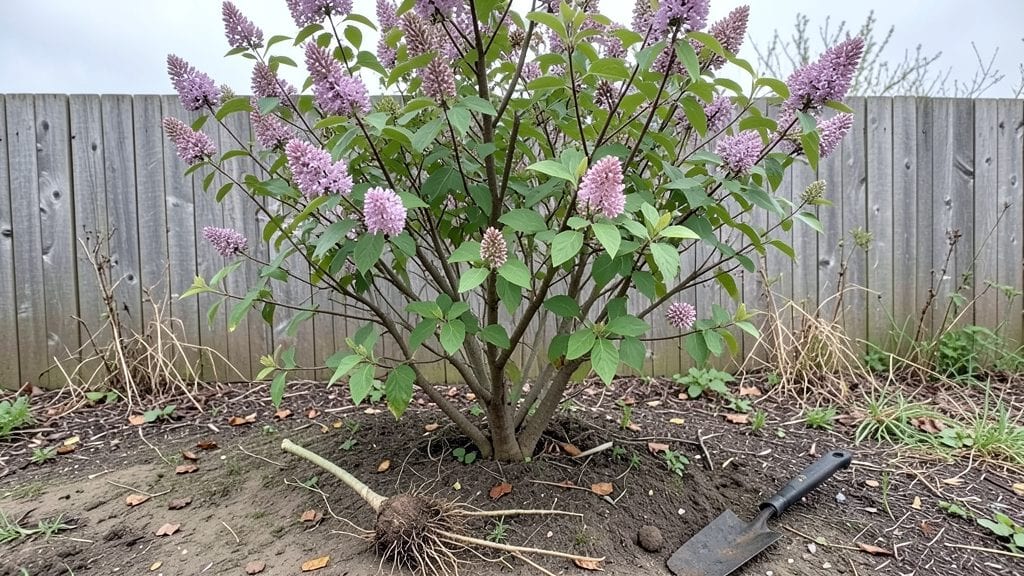
Planting lilac suckers is the fastest way to multiply your fragrant shrubs without waiting years for seeds to grow. ✨ I’ve propagated dozens this way—each cutting roots in weeks, not seasons—and now you can too, with blooms arriving sooner than you’d expect.
The secret lies in timing, sharp tools, and moist but not soggy soil. Grab a clean knife, rooting hormone (optional but helpful), and a sunny spot with well-draining dirt.
Suckers—those vigorous shoots at the base of mature lilacs—are packed with energy, making them perfect for rooting. Just dig, trim, and plant before summer heat sets in.
Within 6-8 weeks, you’ll see new growth, and by next spring, those suckers will burst into clusters of purple, white, or pink blooms. The best part? These new plants are hardier than nursery-bought lilacs because they’re genetically identical to your thriving parent shrub.
Works in zones 3-8, from full sun to partial shade, and even urban yards with containers. Let’s get those lilacs multiplying—your future spring scent is just a few cuts away.
📚 In This Guide
- What you need
- Instructions
- Tips and common mistakes
- Wrapping up and next steps
What you need
- ● Lilac suckers: Healthy, pencil-thick stems (4–6 inches long) from mature lilac shrubs. Aim for 3–5 suckers per plant for optimal growth.
- ● Rooting hormone: A powder or gel (like Clonex or Dip ‘N Grow) to boost root development.
- ● Well-draining potting mix: A blend of perlite, vermiculite, and peat moss (or a pre-made cutting mix). Avoid heavy garden soil!
- ● Small pots or trays: 4–6 inch diameter containers with drainage holes (or a seed tray with cells).
- ● Spray bottle: For gentle watering to keep cuttings moist without drowning them.
- ○ Clear plastic bag or humidity dome: To create a mini greenhouse effect (optional but helpful).
- ● Pruners or sharp scissors: Clean and sterilized to make precise cuts.
- ● Misting system: Automates humidity control for fuss-free rooting.
- ● Heat mat: Keeps soil 70–75°F to speed up rooting (especially useful in cooler climates).
- ● Fertilizer (low-nitrogen): A balanced 5-5-5 or 10-10-10 mix to feed cuttings once roots form.
- ● Garden twine or labels: To mark pots and track progress.
Step-by-step instructions for planting lilac suckers
Here’s how to root lilac suckers in under a month—no greenhouse needed.
🌱 Step 1: Harvest Suckers at the Right Time
Grab your pruners and head outside in late spring or early summer when new growth is pencil-thick but still flexible. Look for vigorous shoots growing from the base of mature lilac bushes—these are your suckers. Cut a 4-6 inch section just below a leaf node (where leaves attach to the stem).
Strip all but the top 2-3 leaves to reduce moisture loss, then dip the cut end in rooting hormone (if you have it) to speed things along. Here’s the thing—don’t wait until summer heat sets in. Suckers harvested in June or July root fastest before the soil gets too dry.
💧 Step 2: Prepare the Planting Site
Choose a spot with partial shade—morning sun and afternoon shade work best. Lilac suckers hate soggy roots but need consistent moisture while establishing. Mix 2 parts potting soil with 1 part perlite in a 6-inch pot (or dig a hole 4 inches deep in garden beds). This keeps the mix loose and well-draining.
Moisten the mix until it’s damp like a wrung-out sponge—no puddles. If planting outdoors, space suckers 12 inches apart in rows 2 feet apart. Too close, and they’ll compete for water. Too far, and you’ll waste space. I like to plant 4 suckers at once to fill gaps quickly.
🪴 Step 3: Plant and Water for Fast Root Growth
Make a hole twice as wide as the sucker’s base and 1 inch deeper than the cut end. Slide the sucker in until the top leaves sit just above soil level. Firm the soil gently around it—no packing needed, just enough to eliminate air pockets. Water immediately until moisture runs out the drain hole (or seeps into the surrounding soil).
Cover the pot or bed with 2-3 inches of mulch (like shredded bark) to lock in moisture and block weeds. Keep the soil evenly moist—not soggy, not dry. You’ll know it’s right when the top inch feels cool to the touch. In 4-6 weeks, you’ll see new growth, signaling roots have taken hold.
☀️ Step 4: Protect and Maintain Until Established
Shade new suckers from hot afternoon sun for the first 2 weeks—use a lightweight shade cloth if needed. Lilacs are tough, but young roots are delicate. Once they’ve rooted (check by gently tugging—resistance means success), gradually introduce more sun. By fall, they’ll be ready for full sun exposure.
Water once a week after establishment, but don’t overdo it. Wilting is normal in heat, but if leaves turn yellow or stems soften, you’re overwatering. Fertilize lightly in spring with a balanced 10-10-10 mix—lilacs don’t need much to thrive.
⏰ Step 5: Transplant or Prune for Full Blooms Next Year
After 1 year, your suckers will be sturdy enough to transplant if needed. Dig carefully to avoid damaging roots—lilacs resent being moved once mature. If keeping in pots, repot every 2-3 years with fresh soil. Prune back one-third of last year’s growth in late winter to encourage bushier blooms.
Here’s the payoff: With proper care, your lilac suckers will flower in 2-3 years—earlier than seed-grown lilacs. The secret? Fast rooting now means fragrant blooms next spring. And yes, that looks like a lot of steps, but trust me—each one speeds up the process.
Tips & tricks for planting lilac suckers
Fast rooting starts with the right timing and technique—here's how to avoid common pitfalls and get those suckers established in record time.
Timing is Everything: The June-July window is ideal because the soil stays warm enough to encourage root growth without the stress of peak summer heat. I've found that morning harvests work best—cutting in the cool hours prevents wilting and keeps the stems fresh. If you miss this window, aim for early fall, but be prepared for slightly slower rooting.
Rooting Hormone Hack: While rooting hormone isn't required, it can cut your 4-6 week rooting time by about 25%. If you don't have it, try this trick: crush a few aspirin tablets and mix with water to create a DIY hormone solution. Dip the cut ends for 5 seconds before planting. The salicylic acid in aspirin stimulates root growth naturally.
Soil Science Matters: That 2:1 potting soil to perlite ratio is key for fast drainage while retaining moisture. For garden beds, consider adding 1 part coarse sand to improve drainage further. I've noticed suckers planted in this mix show new growth in just 3 weeks—about a week faster than standard garden soil. Pro tip: Sterilize your soil mix by baking it in the oven at 200°F for 30 minutes to kill any pathogens that could harm your delicate cuttings.
Watering Wisdom: The "wrung-out sponge" test is your best friend here. Too much water causes rot, but too little stunts growth. I like to use a spray bottle for the first week to keep the soil evenly moist without over-saturating. After that, water deeply once a week, letting the top inch dry out between waterings. This mimics natural rainfall patterns and prevents root suffocation.
Pro Tips for Planting Lilac Suckers
- Fast rooting starts with the right timing and technique—here's how to avoid common pitfalls and get those suckers established in record time.
- Timing is Everything: The June-July window is ideal because the soil stays warm enough to encourage root growth without the stress of peak summer heat.
- Rooting Hormone Hack: While rooting hormone isn't required, it can cut your 4-6 week rooting time by about 25%.
Frequently asked questions
Got questions about planting lilac suckers?
You’re not alone! Here are some of the most common concerns—and straightforward answers—to help you grow a thriving lilac bush with ease.
When is the best time to plant lilac suckers?
Plant lilac suckers in early spring (just as new growth appears) or fall (6–8 weeks before the first frost). Avoid extreme heat or cold, which can stress the young roots. Spring planting gives suckers more time to establish before summer, while fall planting lets them settle in before winter dormancy.
How deep should I plant lilac suckers?
Dig a hole twice as wide as the sucker’s root ball but only as deep as the root system (no deeper!). The top of the root ball should sit just below soil level—burying it too deep can suffocate the plant, while planting too shallowly exposes roots to drying out.
Why aren’t my lilac suckers rooting?
Suckers may fail to root due to poor drainage, overwatering, or low humidity. Ensure the soil is well-draining (add compost if needed), water deeply but infrequently (let the top inch dry between waterings), and consider covering with a plastic bag or shade cloth to retain moisture until roots form.
Can I plant lilac suckers in containers instead of the ground?
Yes! Use a 5-gallon pot with drainage holes and a mix of potting soil and perlite. Keep the container in partial shade and water regularly. However, lilacs thrive best in the ground, so transplant them outdoors within 1–2 years to prevent root-bound stress.
How do I encourage more lilac suckers for future planting?
Prune your mature lilac bush in late winter to remove old wood, which stimulates new growth (and suckers!). Avoid heavy pruning—just trim back 1/3 of the oldest stems to redirect energy to younger, healthier branches. Mulch around the base with organic matter to promote sucker production.
Are lilac suckers invasive if not controlled?
Lilacs can spread aggressively via suckers, especially in moist, fertile soil. To prevent overcrowding, remove unwanted suckers in early spring or fall. If your lilac is in a garden bed, consider root barriers to contain its spread while still enjoying its fragrant blooms!
Wrapping up and next steps
Planting lilac suckers is a rewarding and budget-friendly way to grow fragrant blooms without breaking the bank! With the right tools, timing, and care, these fast-rooting cuttings will soon thrive in your garden, offering years of stunning spring color and sweet fragrance. 🌸
Now that you’re ready to dive in, take the first step—grab those suckers and start planting! Whether you’re a seasoned gardener or a beginner, your lilacs will thank you for the love and effort. Happy planting! 🌱