
Pruning
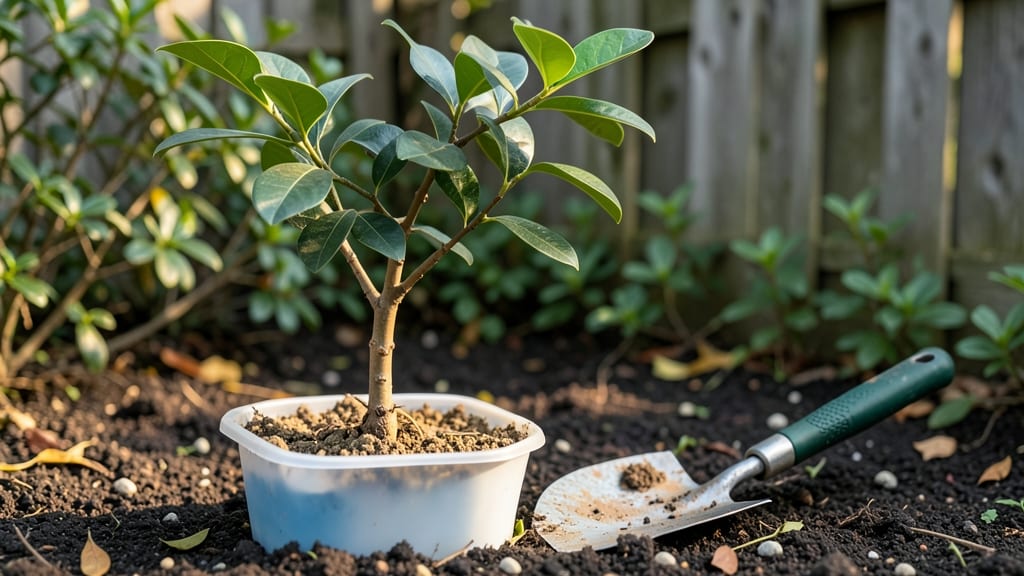
Planting a lychee tree in your yard means sweet, fragrant fruit within reach—if you nail the right conditions. 🌿 I’ve watched these tropical trees transform from scraggly saplings into heavy-fruiting giants, and the secret isn’t just patience—it’s matching your climate to their needs.
These trees thrive in USDA Zones 10-12, but with protection, they’ll even fruit in Zones 9 and 8 as long as winter temps stay above 20°F.
The first decision—seed or sapling—changes everything. Starting from seed takes 3-5 years to bear fruit, but it’s cheaper and more rewarding if you’re in a warm zone. Saplings (especially grafted ones) fruit faster, but they cost more and need careful transplanting.
Either way, you’ll need well-draining soil—lychees hate soggy roots—and a spot with full sun (6+ hours daily). I’ve seen them struggle in heavy clay, so amending with compost or sand is a game-changer.
By year three, you’ll start seeing those iconic pink flowers, and with proper care, your first harvest arrives by late summer. The fruit might look alien at first, but once you crack the sweet, juicy flesh, you’ll be hooked.
The key to success? Consistent watering (never drought-stressed) and light pruning to open the canopy for airflow. Even in cooler zones, a microclimate trick—like planting near a south-facing wall—can make all the difference.
Troubleshooting slow growth? It’s usually transplant shock or nutrient deficiency. A balanced fertilizer in spring and summer keeps them hungry for fruit, not just leaves. And if you’re in Zone 9 or cooler, winter protection (like burlap wraps or a greenhouse) is non-negotiable.
With the right setup, your lychee tree won’t just survive—it’ll become the star of your garden.
📚 In This Guide
- What you need
- Instructions
- Tips and common mistakes
- Wrapping up and next steps
What you need
- ● Lychee sapling: 1 healthy, disease-free sapling (1–2 years old, preferably grafted for better yield). Pro tip: 💡 Choose varieties like Bengal or Kwai Mai Pink for your zone!
- ○ Well-draining soil: 5–10 bags of a mix of topsoil (2 parts), sand (1 part), and compost (1 part). Optional: Add perlite (1 part) for extra aeration.
- ● Fertilizer: 1 bag of balanced fertilizer (10-10-10 NPK ratio) for planting.
- ● 1 bag of citrus/orchid fertilizer (high in micronutrients like zinc and magnesium) for ongoing care.
- ● Mulch: 2–3 bags of organic mulch (straw, wood chips, or pine bark) to retain moisture.
- ● Tools: 1 shovel (for digging).
- ● 1 pruning shears (sterilized, for trimming).
- ● 1 watering can or hose (with a gentle spray nozzle).
- ● 1 pH testing kit (to ensure soil pH is 5.5–6.5).
- ● Climate zone: Lychees thrive in USDA Zones 10–11 (tropical/subtropical). For cooler zones (9 or below), grow in containers and bring indoors in winter. Pro tip: ✨ Use a greenhouse or polycarbonate tunnel to extend the growing season!
- ○ Sunlight: Full sun (6+ hours/day). Optional: Install a shade cloth (30–50%) for young trees in scorching zones.
- ● Water source: Consistent access to water (lychees hate soggy roots but need 1–2 inches/week during dry spells).
- ● Space: Mature trees need 20–30 feet of space. For containers: Use a 15–20 gallon pot with drainage holes.
- ● 1 drip irrigation system (for automated watering).
- ● 1 tree support stake (for young saplings in windy areas).
- ● 1 humidity tray (for container-grown trees in dry climates).
- ● Pollination aid: A small paintbrush (if hand-pollinating flowers in cooler zones).
Step-by-step instructions for planting a lychee tree
Here’s how to plant your lychee tree for maximum tropical success—whether you’re in a warm climate or a controlled container setup.
🌱 Step 1: Choose the Right Location and Prepare the Soil
Lychees thrive in USDA Hardiness Zones 10-11, but with care, they can grow in Zones 9-10 as container plants or in sheltered microclimates. Pick a spot with full sun exposure (6-8 hours daily)—they’ll reward you with lush growth and fruit if given enough warmth.
Test your soil’s drainage first. Lychees despise soggy roots, so amend heavy clay with 3-4 inches of coarse sand or perlite per hole. If planting in a container, use a well-draining potting mix blended with 20% perlite or pumice. The goal is soil that drains freely but holds moisture—think of it as a sponge that wrings out easily.
🪴 Step 2: Plant at the Correct Depth and Stake for Support
Dig a hole twice as wide as the root ball but no deeper—lychee roots are shallow and sensitive to disturbance. Gently remove the tree from its container and loosen any circling roots with your fingers. Place it in the hole so the top of the root ball sits 1-2 inches above ground level; settling will occur over time, so don’t bury the trunk too deeply.
Stake the tree immediately using the 2 wooden stakes and 4-gallon burlap sack to secure it against wind or container movement. Tie the trunk loosely with the soft plant tie, leaving room for growth. Water deeply right after planting to eliminate air pockets—you’ll know it’s soaked when water runs out the drainage holes (or when the top 6 inches of soil feel uniformly damp).
☀️ Step 3: Mulch and Water for Establishment
Spread the 3 cubic feet of mulch evenly around the base, keeping it 3 inches away from the trunk to prevent rot. Organic mulch like wood chips regulates soil temperature and retains moisture, which is critical in the first 6-8 weeks while roots establish. Avoid piling mulch against the bark—this traps excess moisture and invites fungal issues.
Water twice weekly during the first month, then taper to once weekly once new growth appears. Lychees need consistent moisture but hate waterlogged conditions. Check soil moisture by sticking your finger 2 inches deep—if it’s dry, water slowly until it’s moist but not soggy. In containers, you’ll water more frequently since pots dry out faster.
✂️ Step 4: Prune and Protect for Long-Term Growth
After the first 3-4 months, prune to shape the tree and encourage airflow. Remove any dead, diseased, or crossing branches with the sterilized pruning shears, cutting just above a leaf node. Lychees fruit on new growth, so avoid heavy pruning—focus on opening the canopy to sunlight. If growing in a container, prune leggy growth to maintain a compact shape that fits your space.
In Zones 9-10, protect young trees from unexpected cold snaps with the frost cloth. Drape it loosely over the tree and secure the edges with stakes or rocks. Remove it during the day to allow sunlight, but leave it on at night if temperatures drop below 40°F. Mature trees in Zones 10-11 can handle brief dips to 32°F, but young trees are far more vulnerable.
Tips & tricks for planting a thriving lychee tree
Here's what I've learned from years of growing lychees—these tricks will help you avoid common pitfalls and set your tree up for long-term success.
Soil Science Matters: The 3-4 inches of coarse sand or perlite we add isn't just about drainage—it's about creating the perfect air-to-moisture ratio. Think of it like building a foundation for your tree's roots. In containers, that 20% perlite or pumice blend is non-negotiable; without it, you'll risk root rot before your tree even establishes. I've seen lychees fail within weeks when planted in regular potting soil without amendments.
Root Ball Positioning: That 1-2 inch elevation above ground level for the root ball isn't just a suggestion—it's critical for preventing stem rot. When you plant too deeply, the trunk becomes susceptible to moisture trapped against the bark. Here's my trick: After planting, gently press the soil around the edges to create a slight mound that naturally settles over time, maintaining that perfect elevation.
Watering Wisdom: The twice-weekly watering schedule during the first month might seem strict, but it's essential for root establishment. What nobody tells you is that lychees actually prefer the soil to dry out slightly between waterings—just not completely. I use the finger test at 2 inches deep as my guide, but I also check the weight of the pot. A dry pot feels noticeably lighter, which is your cue to water thoroughly until it drains freely from the bottom.
Cold Protection Strategy: When temperatures approach 40°F for Zones 9-10, I've learned to be proactive rather than reactive. The frost cloth works wonders, but here's my extra tip: Place a small space heater or heat lamp near the tree during overnight cold snaps. This creates a microclimate that can protect your tree even when the forecast calls for 32°F. Just keep it at least 2 feet away from the foliage to avoid heat stress.
Pro Tips for Planting Lychee Tree
- Here's what I've learned from years of growing lychees—these tricks will help you avoid common pitfalls and set your tree up for long-term success.
- Soil Science Matters: The 3-4 inches of coarse sand or perlite we add isn't just about drainage—it's about creating the perfect air-to-moisture ratio.
- Root Ball Positioning: That 1-2 inch elevation above ground level for the root ball isn't just a suggestion—it's critical for preventing stem rot.
Frequently asked questions
Got questions about growing your own lychee tree? Here are answers to the most common concerns—from timing to troubleshooting—so you can plant with confidence!
What’s the best time of year to plant a lychee tree?
Plant lychee trees in early spring (after the last frost) or late winter when the soil is warm but not scorching. In tropical zones (like Florida or Hawaii), plant during the dry season (Dec–Feb) to avoid waterlogged roots. Avoid planting in summer heat—it stresses young trees!
Can lychees survive in cold climates (Zone 5–7)?
Lychees are tropical and thrive in Zones 10–12, but with protection, they can survive brief cold snaps in Zones 8–9. Use mulch, frost cloth, or containers you can move indoors. In Zones 5–7, grow them as potted plants in a greenhouse or bring them inside during winter. Pro tip: Choose cold-hardy varieties like ‘Brewer’ or ‘Wai Chee’ for better resilience.
How long does it take for a lychee tree to bear fruit?
Patience is key! Lychee trees typically take 3–5 years to bear fruit from seed, but grafted trees (from nurseries) may fruit in 2–3 years. Consistent care—like regular watering, proper sunlight (6+ hours/day), and balanced fertilizer—speeds up fruiting. Bonus: Female trees produce fruit, so ensure you have at least one (or plant a pollinator-friendly variety like ‘Kwai Mi’).
What pests or diseases should I watch for?
Common issues include:
- Scale insects (sticky sap on leaves)—treat with neem oil or insecticidal soap.
- Root rot (from overwatering)—ensure well-draining soil and avoid soggy conditions.
- Anthracnose fungus (brown spots)—prune infected branches and space trees for airflow.
- Birds eating fruit—use netting once flowers appear!
Can I grow a lychee tree from seed, or should I buy a grafted one?
You can grow from seed, but it’s a gamble—seedlings may take decades to fruit and won’t match the quality of grafted trees. Grafted trees (from reputable nurseries) are faster, more reliable, and produce better fruit. If you’re experimenting, save seeds from store-bought lychees (rinsed and dried) for a fun project—but don’t expect fruit soon!
Wrapping up and next steps
Growing a lychee tree is a rewarding journey that blends patience with tropical beauty—whether you're in Zone 9-11, Zone 8 with protection, or even cooler microclimates! With the right soil, sunlight, and care, you’ll soon enjoy fragrant blossoms and sweet, juicy fruit. Don’t wait—start planting today!
Next steps:
- 🌱 Pick your zone and prep your site (or container!)
- 📅 Mark your calendar for planting season (spring/fall)
- 💧 Stay consistent with watering and pruning