
Planting
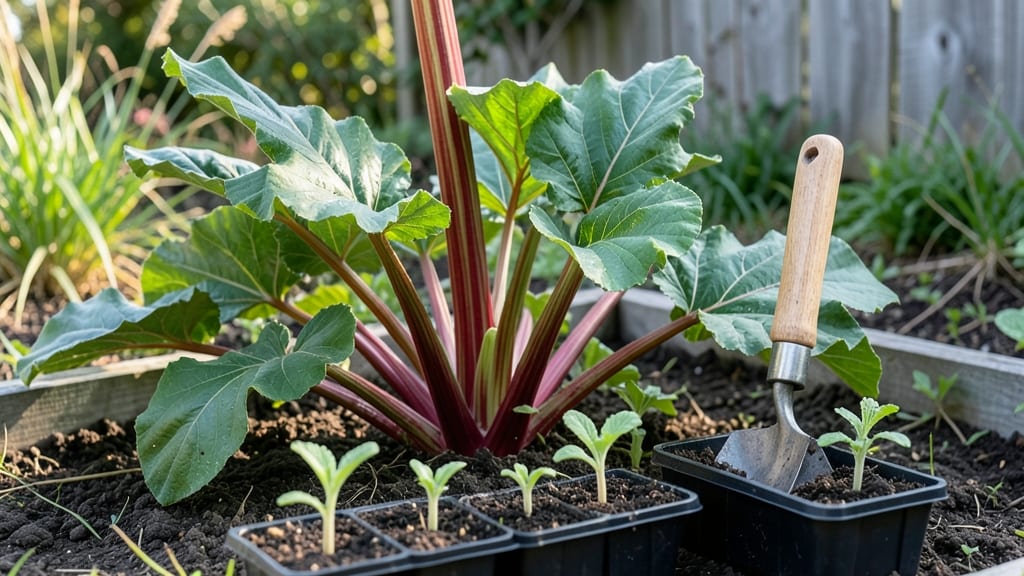
Planting rhubarb in the right season 🍃 ensures a bountiful harvest for years to come—getting the timing wrong can leave you with weak plants or no stalks at all.
Timing your rhubarb planting just right can mean the difference between a thriving garden and years of frustration—getting the months and hardiness zones wrong often leads to stunted growth or no harvest at all.
If you're in Zone 6a like me, early spring—between March and April—is your best bet, but warmer climates can shift that window by weeks. The key is planting when the soil warms to 50°F and the frost danger passes.
Below, I break down the exact months for your zone, soil prep secrets, and how to protect your young plants from late frosts—so you can start harvesting crisp stalks by May or June.
Best rhubarb planting months by USDA hardiness zones (exact timeline)
Planting rhubarb at the wrong time can leave your crowns vulnerable to frost damage or poor root establishment. Since rhubarb thrives in cool climates, timing depends heavily on your USDA hardiness zone. In warmer zones, fall planting is possible, while colder zones demand early spring precision.
Let’s break down the exact planting windows for zones 3 through 9 to ensure your rhubarb gets off to the best start.
Rhubarb’s perennial nature means it needs time to establish before winter sets in. In zones 3-5, frost is a constant threat, so planting must occur 4-6 weeks before the first expected frost. Meanwhile, zones 6-9 offer more flexibility, but heat stress in late summer can still be a challenge.
Microclimates—like urban heat islands or sheltered valleys—can shift these windows by 2-4 weeks, so always check your local frost dates.
Key factors to consider: soil temperature (ideal: 40-50°F), frost risk, and day length. Rhubarb crowns planted too early in zone 4 may rot, while those planted too late in zone 8 might struggle with summer heat. Below is your zone-by-zone planting timeline, including early spring and fall options where applicable.
Pro Tip: Always plant rhubarb crowns 2-3 inches deep in well-draining soil with a pH of 6.0-6.8. Amend clay soil with compost to prevent waterlogging, which can kill roots.
⚠️ Warning: Avoid planting rhubarb in late summer or fall in zones 3-6—the plant won’t have enough time to establish before winter dormancy. In zones 7-9, fall planting is safer if done 8-10 weeks before the first frost.
| USDA Zone | Best Planting Month | Alternative Window | Soil Temp Goal | Key Consideration |
|---|---|---|---|---|
| Zone 3 (-40°F to -30°F) | Early May | None (risk of late frost) | 45-50°F | Plant after last frost; use mulch for winter protection. |
| Zone 4 (-30°F to -20°F) | Late April - Early May | None (fall planting fails) | 40-45°F | Wait for soil to thaw; avoid waterlogged conditions. |
| Zone 5 (-20°F to -10°F) | Early April - Mid-May | September (high risk) | 40-45°F | Spring planting preferred; fall only in mild microclimates. |
| Zone 6 (-10°F to 0°F) | March - Early April | Late August - September | 38-42°F | Spring ideal; fall must be 8+ weeks before frost. |
| Zone 7 (0°F to 10°F) | February - March | September - October | 40-45°F | Fall planting works if soil stays above freezing. |
| Zone 8 (10°F to 20°F) |
How to prepare rhubarb crowns for planting in your climate zonePreparing rhubarb crowns properly before planting ensures strong root establishment and a bountiful harvest. Whether you're planting in containers or ground beds, these steps adapt to your USDA hardiness zone and local frost dates. I’ve learned that skipping soil prep or ignoring crown health can lead to weak plants that struggle for years—don’t make that mistake! Start by selecting healthy rhubarb crowns with firm, white roots and no signs of rot or pests. The key to success lies in soil pH (aim for 6.0-6.8) and proper spacing. For cold climates, frost protection is non-negotiable, while warmer zones benefit from shade cloth during extreme heat. Let’s break this down step by step. Step-by-Step Rhubarb Crown Prep
If you’re in a warmer zone (6-9), prioritize afternoon shade during summer to prevent leaf scorch. I’ve seen rhubarb thrive in Zone 7 with a simple shade cloth, while Zone 4 gardeners need to plant crowns under hoop tunnels for early protection. Always water in the morning to avoid fungal issues. For container gardening, choose pots at least 18 inches deep with drainage holes. Rhubarb’s roots spread aggressively, so larger containers yield bigger harvests. In-ground plantings benefit from a permanent mulch ring to keep roots cool and moist. Remember: patience is key—rhubarb takes 2-3 years to reach full production. After planting, monitor for slugs and crown rot, especially in humid climates. A diatomaceous earth barrier around containers works wonders. With these steps, your rhubarb will establish strong roots and reward you with tender stalks for years to come! 🌱 |