
How To
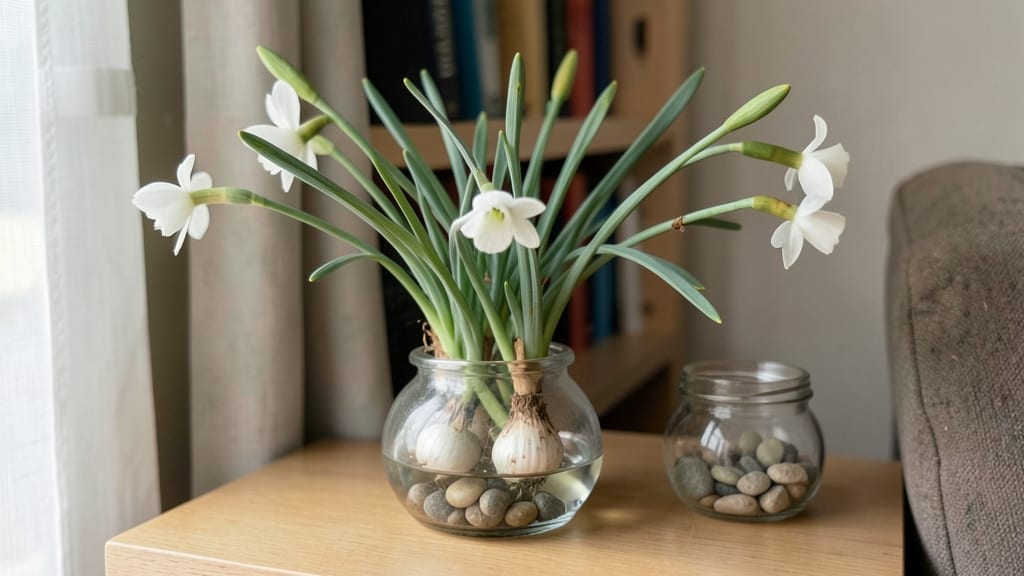
Planting paperwhites inside transforms your kitchen counter into a fragrant winter garden—no greenhouse or fancy setup required. 🌱 I’ve turned my tiny space into a tiny winter garden just by following a few simple steps.
The key is choosing the right bulbs, container, and watering trick that makes them thrive where natural light is weak.
You’ll need just three things: paperwhite narcissus bulbs (available at garden centers), a shallow container (even a teacup works), and water. The bulbs should sit close together, with their bases submerged but not drowning.
Within days, you’ll see roots peeking out, and in about six weeks, those sweet-smelling blooms will appear—right when you need a little brightness indoors.
These flowers love cool rooms (60-70°F) and bright indirect light. A sunny windowsill or grow light keeps them happy, while overwatering or soggy soil leads to mold.
The payoff? A fragrant display that lasts longer than store-bought flowers and costs next to nothing. Once you’ve done it once, you’ll never buy cut paperwhites again.
Perfect for apartments, offices, or anywhere you want a burst of winter cheer. The bulbs even regrow after blooming—just replant them in soil for next year’s show. Here’s how to get started without the guesswork.
📚 In This Guide
- What you need
- Instructions
- Tips and common mistakes
- Wrapping up and next steps
What you need
- ● Paperwhite bulbs: 3–5 bulbs (choose fragrant varieties like Narcissus papyraceus or Narcissus tazetta for best results).
- ● Clear glass container: A jar, vase, or bowl (6–8 inches wide, with a narrow neck to support bulbs).
- ● Pebbles or small stones: 1–2 inches of smooth, clean pebbles (to anchor bulbs and allow drainage).
- ● Water: Room-temperature tap or distilled water (enough to cover ½ of each bulb).
- ● Decorative elements: Marbles, shells, or moss for a stylish touch.
- ● Liquid fertilizer: A few drops of balanced bulb fertilizer (like 10-10-10) to boost growth.
- ● Twine or floral tape: To secure bulbs if your container is unstable.
- ● Grow lights: If your space lacks natural light (LED bulbs work great!).
Step-by-Step instructions for planting paperwhites inside
Here’s how to coax fragrant blooms from paperwhite bulbs indoors—no natural light required.
🪴 Step 1: Choose and Prepare Your Containers
Paperwhites thrive in shallow, wide containers with drainage. I use a 6-inch-wide ceramic bowl or shallow dish—just enough to hold 4 bulbs (the target yield). If your container lacks drainage, add a layer of pebbles at the bottom to prevent soggy roots. The key is shallow depth: bulbs should sit half-buried with their tops exposed.
Real talk: Skip the deep pots. Paperwhites resent being buried too deep, and their roots need air circulation. A 3-inch depth of container is ideal. If using a decorative dish, ensure it’s at least 4 inches wide to accommodate the bulbs’ spread as they grow.
💧 Step 2: Plant the Bulbs and Water Gently
Arrange the 4 paperwhite bulbs close together in the container—just ½ inch apart. Their natural clustering mimics their wild growth habit. Press them halfway into the potting mix (about 1 inch deep), leaving the pointed tips exposed. This ensures they have room to grow upward without suffocation.
Water immediately after planting. Use room-temperature water and soak the mix until it’s evenly moist but not soggy. The bulbs will draw up moisture as they root. I like to let excess water drain for 10 minutes, then add a ¼ inch of water to the container’s base. This keeps roots hydrated without drowning them.
☀️ Step 3: Place in Bright, Indirect Light
Paperwhites don’t need sunlight, but they do need bright, indirect light to bloom. A south-facing window or a grow light positioned 6 inches above works best. Avoid direct sun—it scorches leaves. If using a grow light, 12-14 hours daily triggers flowering.
You’ll see green shoots in 1-2 weeks. That’s your cue to adjust placement if needed. If leaves stretch tall and pale, the light is too weak. If they yellow or crisp, move the container away from heat sources like radiators. Ideal conditions keep leaves deep green and sturdy—never leggy or wilted.
⏰ Step 4: Encourage Blooming with Consistent Care
Once shoots appear, reduce water slightly—just enough to keep the mix moist but not wet. Overwatering causes rot. I check moisture by pressing a finger ½ inch into the soil: if it’s dry, add a splash. If it’s damp, wait another day. The goal is consistent hydration, not sogginess.
Blooms typically arrive in 4-6 weeks, depending on bulb freshness and warmth. When buds form, keep the container in a cool spot (60-65°F) to slow elongation. This ensures sturdy stems that hold the fragrant flowers upright. Once blooms open, enjoy their sweet scent—but don’t let water touch the stems. It shortens vase life.
✂️ Step 5: Extend Enjoyment and Prep for Next Year
After blooming, let the foliage yellow naturally. This feeds the bulb for next season. Once leaves turn brown, trim stems to 2 inches above the bulb. Store the container in a cool, dry place (50-60°F) until replanting in fall. Paperwhites are perennial—with care, they’ll rebloom for years.
Here’s the thing—paperwhites are forgiving. Even if you skip a watering or light adjustment, they’ll adapt. The secret to repeat blooms? Fresh bulbs and patience. Next year, try a new container or add a few hyacinth bulbs for a mixed-scent display.
Tips & tricks for perfect indoor paperwhite blooms
A few strategic adjustments will help you coax those signature paperwhite blooms indoors—even without a sunny windowsill.
Container Depth Matters: The 3-inch depth recommendation in Step 1 isn't arbitrary—paperwhites develop shallow root systems. If you use a deeper container, their roots will suffocate from lack of air circulation. I've seen paperwhites planted in 5-inch pots struggle to bloom properly because the roots can't breathe. For the best results, stick to shallow dishes or bowls where the bulbs sit just half-buried with their tops exposed. This mimics their natural Mediterranean habitat where they grow in rocky, well-drained soils.
Light Quality Over Quantity: While the instructions mention bright indirect light, here's what nobody tells you about the 12-14 hour grow light requirement: use a full-spectrum bulb, not LED. Paperwhites need the blue wavelengths that trigger flowering, and most household LEDs lack these. Position your grow light 6 inches above and adjust the height if leaves stretch toward it—this is a classic sign of insufficient light quality. I've had success with 6500K daylight bulbs when natural light is limited.
Watering Science: That 10-minute drainage period after initial watering in Step 2 is crucial for preventing rot. Paperwhite bulbs are particularly susceptible to fungal infections because they grow in dense clusters. After the 10 minutes, add just a ¼-inch of water—this creates a moisture reservoir without waterlogging. Here's my secret: use a spray bottle to mist the bulbs lightly every 3-4 days once shoots appear. This keeps the growing tips hydrated while preventing soggy soil at the base.
Temperature Timing: The 60-65°F range mentioned for bud development isn't just about warmth—it's about slowing stem elongation. When buds first form, move your container to a cooler spot (like a basement or unheated room) during the day and bring it back to room temperature at night. This temperature fluctuation creates a natural diurnal rhythm that strengthens stems. I've seen blooms that would have flopped over become sturdy enough to hold their own weight through this simple trick.
Pro Tips for Planting Paperwhites Inside
- A few strategic adjustments will help you coax those signature paperwhite blooms indoors—even without a sunny windowsill.
- Container Depth Matters: The 3-inch depth recommendation in Step 1 isn't arbitrary—paperwhites develop shallow root systems.
- Light Quality Over Quantity: While the instructions mention bright indirect light, here's what nobody tells you about the 12-14 hour grow light requirement: use a full-spectrum bulb, not LED.
Frequently asked questions
Got questions about growing paperwhites indoors? You’re not alone! Here are answers to the most common queries about planting and caring for these fragrant blooms without sunlight.
How long does it take for paperwhites to bloom indoors?
Paperwhites typically bloom 6–8 weeks after planting, depending on temperature and light exposure. With consistent warmth (around 65–70°F) and indirect light, you’ll see buds forming in 4–6 weeks. Patience pays off—those delicate white flowers are worth the wait!
Can I plant paperwhites in water instead of soil?
Paperwhites thrive in water-only setups—just place bulbs (neck-deep) in a shallow container with pebbles for stability. Change the water weekly to prevent bacterial growth. This method is mess-free and perfect for renters or small spaces.
When is the best time to plant paperwhites indoors?
Plant them 8–10 weeks before you want flowers (e.g., late October for Christmas blooms). They need time to root and sprout in cooler temps (60–65°F). Avoid planting too early—they may sprout but won’t bloom until conditions are right.
Why aren’t my paperwhites blooming?
Common culprits:
- Not enough light: Move them to a brighter spot (even a sunny windowsill).
- Overwatering: Soil should stay moist but not soggy.
- Cold drafts: Keep them away from AC vents or drafty windows.
- Old bulbs: Use fresh bulbs for best results.
Can I reuse paperwhite bulbs after they bloom?
Unfortunately, no—paperwhites are annuals and won’t rebloom. However, you can save the foliage to compost or dry the flowers for potpourri! For next year, buy new bulbs or try forcing other paperwhite varieties (like ‘Grand Rapids’ or ‘Ziva’).
Wrapping up and next steps
Planting paperwhites indoors is a simple yet magical way to bring winter cheer and natural fragrance into your home—even without sunlight! 🌸 With just a few bulbs, water, and a little patience, you’ll enjoy delicate blooms and a sweet citrusy scent that brightens any space.
Whether you’re a gardening newbie or a seasoned plant lover, this project is effortlessly rewarding.
Ready to take the next step? Grab those bulbs today and start your fragrant indoor garden! For even more creative ideas, explore other low-light houseplants or try arranging your paperwhites in a stylish vase for a festive centerpiece. Happy planting! ✨