
Propagation
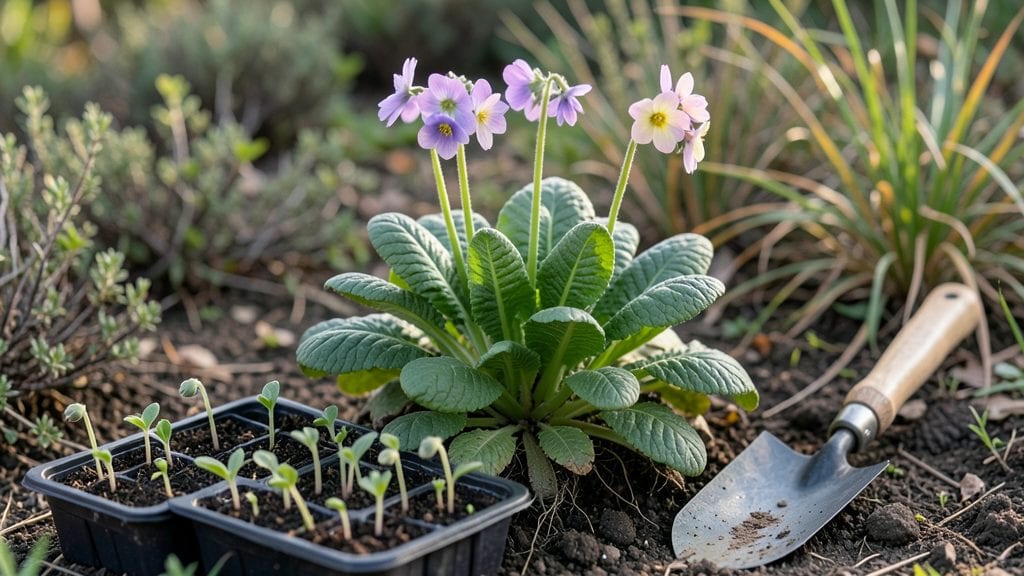
Planting primrose seeds with the cold-stratum trick cuts bloom time in half. 🌱 I learned this after struggling with slow germination—those tiny seeds need a little winter chill to wake up properly.
The secret is mimicking nature's timing by sowing early and letting the cold do the heavy lifting, whether in a cold frame or your fridge.
You'll need well-draining soil mix, shallow containers, and patience—primrose seeds are finicky but rewarding. Start indoors 8-10 weeks before your last frost, or sow directly outside in fall for spring blooms.
The key is keeping seeds moist but never soggy during that critical cold period, which breaks their dormancy faster than any store-bought starter.
Within 4-6 weeks of proper stratification, you'll see those first green shoots pushing through the soil. The blooms arrive even sooner than expected—bright, cheerful faces in your garden by early spring. Just avoid overcrowding (space seeds ¼ inch apart) and watch for damping-off by using sterilized soil and good airflow.
This method works in zones 3-8, whether you're using a cold frame, unheated greenhouse, or even your refrigerator's crisper drawer. Once you master the cold-stratum trick, you'll never buy primrose plants again—they'll be popping up reliably year after year.
📚 In This Guide
- What you need
- Instructions
- Tips and common mistakes
- Wrapping up and next steps
What you need
- ● Primrose seeds: Choose Primula varieties like Primula vulgaris (common primrose) or Primula obconica (cyclamen primrose). Buy 1–2 seed packets (each typically contains 50–100 seeds).
- ● Cold-stratification method: Small paper towel or coir mat (for moisture retention).
- ● Plastic ziplock bag (resealable, quart-sized).
- ● Refrigerator (set to 34–40°F for 4–8 weeks).
- ● Seed-starting mix: 1–2 quarts of sterile, well-draining potting mix (look for labels like "seed-starting" or "cactus/succulent" blend).
- ● Containers: Seed trays or small pots (3–4 inches deep, with drainage holes). 4–6 units recommended.
- ○ Clear plastic dome or humidity lid (optional but helpful for humidity control).
- ● Watering tools: Spray bottle (for gentle moisture).
- ● Small watering can (with a fine rose nozzle).
- ○ Grow lights or sunny windowsill: Primrose seeds need 12–16 hours of light daily. A LED grow light (optional but ideal for indoor setups).
- ● Seed heating mat: Set to 60–65°F to speed up germination (especially if your home is chilly).
- ● Fertilizer: A balanced liquid fertilizer (5-5-5 or 10-10-10) diluted to half-strength for post-germination care.
- ● Label markers: To track seed varieties and planting dates.
- ● Tweezers: For delicate seed placement (if seeds are tiny).
- ● Peat pellets: Pre-moistened and easy to transplant (great for beginners!).
Step-by-Step instructions for planting primrose seeds
Here's the proven method I use to coax primroses into blooming faster—no waiting years for color.
🌱 Step 1: Prepare the Seed Tray and Mix
Fill a clean seed tray with 2-3 inches of moistened seed-starting mix (sterile is critical—primrose seeds rot easily in garden soil). I press the mix down lightly with my fingers until it's firm but not compacted. The goal is a surface that holds its shape when tapped but still lets water drain freely.
Primrose seeds need excellent drainage, so I add a thin layer of perlite to the bottom of the tray before the mix. This prevents soggy soil, which is the #1 killer of primrose seedlings. Water the tray thoroughly until moisture runs from the drainage holes, then let it drain completely.
🌱 Step 2: Sow Seeds and Apply Cold Stratification
Sprinkle the primrose seeds evenly over the soil surface—don't bury them. Primrose seeds need light to germinate, so they should rest on top of the mix, not be pressed in. I use a fine mist spray bottle to dampen the surface lightly, ensuring seeds stay in place without being washed away.
Here's the trick: cover the tray with plastic wrap and place it in a refrigerator for 4-6 weeks. This cold stratification mimics winter conditions and breaks seed dormancy. Check weekly—if the soil dries out, mist lightly. You'll see tiny green sprouts emerge after 3-4 weeks in the fridge.
☀️ Step 3: Move to Warm Light for Germination
Once sprouts appear, remove the tray from the fridge and place it under grow lights or in a south-facing window where temperatures stay 60-65°F. Primroses germinate slowly—don't rush them. Keep the soil consistently moist (not soggy) by watering from the bottom of the tray.
You'll notice the first true leaves (not the tiny seed leaves) appear in 4-6 weeks. At this stage, transplant seedlings into individual pots with 2-3 inches of soil. Primroses hate root disturbance, so I use a small spoon to lift each seedling carefully and avoid breaking the delicate stems.
🌿 Step 4: Acclimate and Transplant Outdoors
After 6-8 weeks of indoor growth, harden off seedlings by placing them outside in partial shade for 1-2 hours the first day. Gradually increase outdoor time over 10-14 days, watching for wilting or yellowing leaves—signs they're not ready. Primroses thrive in partial shade, so avoid full sun until they're established.
Transplant outdoors after the last frost when soil is 55-60°F. Space plants 6-8 inches apart in well-draining soil. Water deeply at the base, avoiding the leaves to prevent fungal diseases. You'll see the first blooms in 8-12 weeks—faster than waiting years for seeds to germinate naturally!
Tips & tricks for planting primrose seeds
These proven strategies will help you bypass the years-long wait for primrose blooms and get vibrant flowers in record time.
Soil Science Matters: The 2-3 inch depth of seed-starting mix in Step 1 isn't just arbitrary—it creates the perfect balance of moisture retention and drainage. I've found that adding perlite to the bottom layer (as mentioned) prevents that dreaded seed rot that plagues so many gardeners. For even better results, mix in a handful of fine sand to improve aeration, especially if you're using dense potting mixes. The goal is to mimic the loose, well-draining conditions primroses thrive in.
Cold Stratification Hack: That 4-6 week refrigerator stint in Step 2 is non-negotiable for primroses, but here's what nobody tells you: the first 3-4 weeks are the most critical. After that initial period, you can move the tray to a cooler part of your fridge (around 35°F) to extend the stratification without risking mold. I've had success with 8-week cold treatments for particularly stubborn seed batches, though standard 4-6 weeks works beautifully. The key is consistency—never let the soil dry out completely during this period.
Lighting Strategy: When you move those sprouted seeds to warm light in Step 3, position them within 6 inches of your grow lights. Primroses are shade-loving plants, so bright but indirect light is ideal. I've seen seedlings stretch toward the light and become leggy when placed too far away. If using a south-facing window, rotate the tray daily to ensure even growth—this prevents those lopsided seedlings that can struggle later.
Transplant Timing: The 6-8 week indoor growth period in Step 4 might seem long, but it's worth it. I've learned the hard way that rushing this stage leads to weak seedlings that can't handle outdoor conditions. When transplanting outdoors, wait until morning to move them—this gives them time to acclimate to sunlight gradually. I also recommend hardening off in partial shade first, even if your garden spot gets full sun later. This gradual transition prevents the shock that can cause wilting.
Pro Tips for Planting Primrose Seeds
- These proven strategies will help you bypass the years-long wait for primrose blooms and get vibrant flowers in record time.
- Soil Science Matters: The 2-3 inch depth of seed-starting mix in Step 1 isn't just arbitrary—it creates the perfect balance of moisture retention and drainage.
- Cold Stratification Hack: That 4-6 week refrigerator stint in Step 2 is non-negotiable for primroses, but here's what nobody tells you: the first 3-4 weeks are the most critical.
Frequently asked questions
Got questions about planting primrose seeds? You’re not alone! Here are answers to the most common queries to help you grow vibrant blooms with confidence.
When is the best time to plant primrose seeds?
Primroses thrive with cold stratification—plant seeds outdoors in fall (8–10 weeks before last frost) or mimic winter by refrigerating seeds for 4–6 weeks before spring planting. Avoid direct sowing in warm soil; they need a chill period to break dormancy.
How long does it take for primrose seeds to germinate?
Germination can take 2–6 weeks (sometimes longer!) depending on conditions. Keep soil consistently moist (not soggy) and maintain temperatures between 60–70°F (15–21°C). Patience is key—primroses aren’t fast growers!
Can I grow primroses from store-bought flowers?
Yes, but it’s tricky! Try seed-saving from mature primrose blooms: let seed pods dry on the plant, collect seeds, and stratify them. Store-bought flowers are often hybrids and may not produce true-to-type offspring. For reliable results, stick to fresh seeds from a nursery.
Why aren’t my primrose seeds sprouting?
Common culprits include:
- No stratification: Primroses need cold—skip this step, and germination fails.
- Poor soil moisture: Keep soil damp (like a wrung-out sponge) but avoid waterlogging.
- Old seeds: Primrose seeds lose viability after 1–2 years.
- Too warm: Ideal temps are 60–70°F (15–21°C); heat speeds up rot.
How do I encourage bigger, brighter blooms?
For showstopping flowers:
- Plant in partial shade (morning sun, afternoon shade).
- Fertilize lightly with balanced 10-10-10 in spring.
- Deadhead spent blooms to redirect energy to new flowers.
- Ensure well-draining soil—primroses hate soggy roots!
Wrapping up and next steps
Planting primrose seeds with the cold-stratification trick is a rewarding way to jumpstart vibrant blooms and a lush garden! By mimicking winter’s natural conditions, you’ll give those tiny seeds the best shot at thriving—saving time and effort while enjoying faster, healthier growth. 🌱✨
Now that you’re armed with the how-to and pro tips, grab those seeds and get started!
Whether you’re a seasoned gardener or a curious beginner, every little effort brings you closer to a garden bursting with color. Next up? Mark your calendar for transplanting and watch those primroses put on a show you’ll love!