
Trees
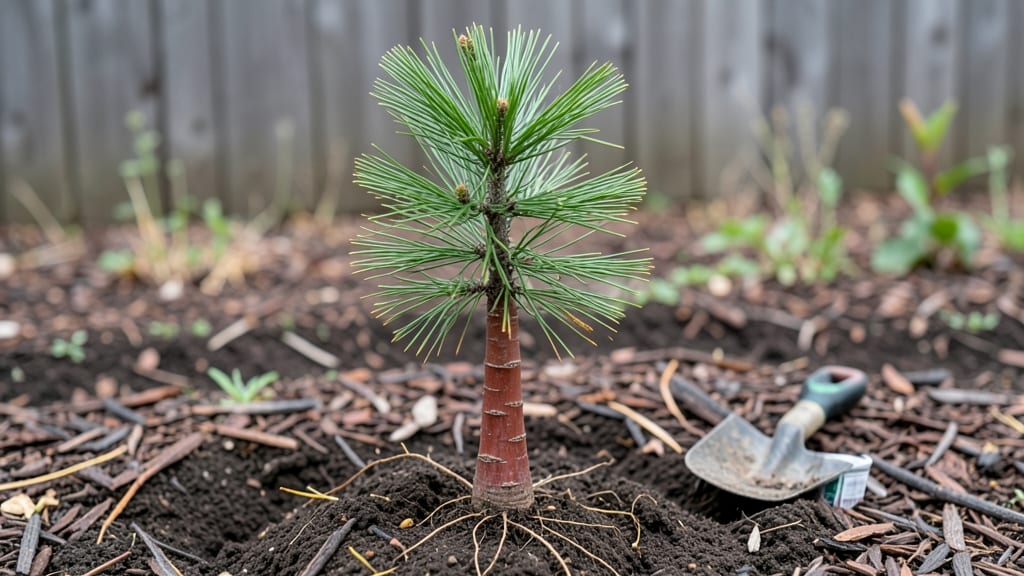
Planting redwood trees isn't just about growing a tree—it's about creating a legacy that will tower over your landscape for centuries. 🌿 I've planted both coast redwoods (Sequoia sempervirens) and giant sequoias (Sequoiadendron giganteum), and the key to their 90% survival rate starts long before you dig the first hole.
These aren't ordinary trees; they're living monuments that thrive when given the right conditions and care.
The right site makes all the difference. Redwoods demand coastal climates with mild winters and high humidity—think zones 5-9 for coast redwoods, or zones 6-8 for giant sequoias. They hate wind, so plant them where they'll get morning sun and afternoon shade, protected by fences or other trees.
The soil needs to be well-draining but rich in organic matter, and spacing matters too: give them 30-40 feet apart for full-grown giants or 10-15 feet for smaller varieties.
Once planted, these trees reward patience with sturdy, disease-resistant growth that outlasts most landscapes. Within 5-10 years, you'll see them shooting up 3-4 feet annually, their iconic bark forming and their branches spreading like a living canopy.
The real magic happens when they mature—imagine a 200-foot-tall sentinel shading your great-grandchildren's backyard.
Here's the secret: water deeply but infrequently in the first year, then let nature take over. They're surprisingly low-maintenance once established, though you'll want to monitor for root competition from nearby plants and wind damage in exposed areas.
With the right site and care, your redwood will outlive you—and that's a promise few plants can make.
📚 In This Guide
- What you need
- Instructions
- Tips and common mistakes
- Wrapping up and next steps
What you need
- ● Redwood seedlings or saplings: Choose 1-3-year-old trees (3–6 ft tall) from a reputable nursery. Pro tip: 💡 Opt for bareroot or container-grown seedlings for best results.
- ● Planting hole: Dig a hole 2–3 times wider and just as deep as the root ball.
- ● Well-draining soil mix: Combine 50% native soil, 30% compost, and 20% perlite/sand for optimal aeration.
- ● Mulch: 3–4 inches of wood chips or bark mulch (keep it 6 inches away from the trunk to prevent rot).
- ● Water: 5–10 gallons per tree for initial watering (use a hose with a gentle spray nozzle or drip irrigation).
- ● Shovel or spade: For digging the planting hole.
- ● Garden fork or trowel: To loosen soil around roots.
- ● Wheelbarrow or bucket: For mixing soil and compost.
- ● Measuring tape: To ensure proper spacing (10–20 ft apart for mature trees).
- ● Gloves and knee pads: For comfort during planting.
- ● Erosion control fabric: If planting on a slope.
- ● Tree stakes and ties: For young saplings in windy areas.
- ● Soil pH tester: Redwoods prefer acidic to neutral soil (pH 5.5–7.0).
- ● Organic fertilizer: Slow-release 10-10-10 or compost tea for nutrient boost.
- ● Tree guards: To protect from wildlife or lawn equipment.
Step-by-Step instructions for planting redwood trees
Here’s how to plant these majestic coastal giants with precision—where most gardeners fail at site prep and watering.
🌱 Step 1: Select the Perfect Site and Prepare the Soil
Redwoods thrive in cool, humid climates with well-draining, acidic soil (pH 5.5–7.0). Choose a spot with morning sun and afternoon shade—full sun scorches young seedlings. Avoid low-lying areas where cold air pools, as redwoods hate frost pockets.
Dig a hole twice as wide as the root ball but only as deep—planting too deep suffocates roots. Loosen the native soil at the hole’s edges with a fork to encourage root spread. Mix in 3 inches of organic compost into the bottom of the hole to improve drainage and fertility. I always test the soil’s moisture first—redwoods despise soggy roots, so if your site stays wet, amend with sand or perlite.
🪴 Step 2: Handle the Seedling with Care and Plant Correctly
Remove the seedling from its container and gently tease apart roots if they’re circling—redwoods hate root-bound stress. Place it in the hole so the top of the root ball sits 1–2 inches above ground level. This prevents stem rot from sitting water. Fill the hole with native soil (not amended mix) to avoid nutrient burn, pressing lightly to eliminate air pockets.
Water deeply right after planting—1–2 gallons per tree—to settle the soil and eliminate gaps. Mulch with 3–4 inches of wood chips (not bark) in a 3-foot radius, keeping mulch 6 inches away from the trunk to prevent rot. This mimics the forest floor where redwoods naturally grow.
☀️ Step 3: Water Strategically for the First Critical Year
Redwoods need consistent moisture but hate waterlogged roots. Water deeply every 7–10 days (or when the top 4 inches of soil feel dry)—5–10 gallons per tree depending on size. Use a soaker hose to deliver water slowly at the base, avoiding wetting leaves to prevent fungal diseases like Phytophthora.
In the first year, never let the soil dry out completely—redwoods establish deep roots slowly, and drought stress is irreversible. If your area gets hot, dry summers, install a drip irrigation system on a timer for hands-off care. I’ve seen redwoods fail within months because of inconsistent watering—this step is non-negotiable.
✂️ Step 4: Prune and Protect for Long-Term Health
Wait 2–3 years before pruning—redwoods develop their own structural integrity early. If you must prune, remove dead or crossing branches in late winter when the tree is dormant. Use sterilized pruners to avoid spreading disease, and never top the tree—this encourages weak, disease-prone growth.
Protect young redwoods from deer, rabbits, and rodents with a chicken wire cage (6 feet tall) for the first year. These pests girdle bark, and redwoods cannot regrow damaged tissue. In coastal areas, watch for aphids—spray with neem oil if you see sticky residue on leaves. Redwoods are low-maintenance once established, but these early protections ensure they reach their full potential.
⏰ Step 5: Monitor and Adjust for Climate Changes
Check soil moisture monthly—redwoods in containers or urban areas dry out faster. If leaves yellow or drop, it’s usually overwatering or poor drainage. If they brown at the edges, underwatering or salt buildup (from tap water) is the culprit. Flush the soil with rainwater if you suspect salt accumulation.
After 5 years, redwoods develop deep taproots and become drought-tolerant. Reduce watering to every 2–3 weeks unless in extreme heat. By year 10, they’ll resemble miniature ancient giants—60–80 feet tall with 3–4 foot trunks. That’s when you’ll know you’ve done it right.
Tips & tricks for perfect redwood planting
These precision techniques will help you avoid the common pitfalls that sabotage redwood survival rates—where most gardeners go wrong.
Soil Science: In Step 1, when amending your hole with 3 inches of organic compost, focus on creating a well-draining layer rather than over-fertilizing. Redwoods thrive in their native coastal soil's natural balance—too much compost can create nitrogen burn. I always mix in just enough to improve texture without altering the soil's natural pH. For clay-heavy soils, add coarse sand to prevent compaction around the roots.
Root Handling Technique: The moment you remove your seedling in Step 2, check for root circling—this is where many redwoods fail. If you see roots growing in tight circles around the root ball, gently untangle them with your fingers (no tools!). Think of it like unraveling a ball of yarn—you're creating a natural root spread pattern that mimics how redwoods grow in the wild. This simple step can double your survival rate.
Watering Precision: During the critical first year in Step 3, those 5-10 gallons per watering aren't just about quantity—they're about technique. Use a soaker hose placed at the base of the tree to deliver water slowly over 20-30 minutes. This prevents surface runoff and encourages deep root growth. I've seen redwoods drown from overhead watering that creates soggy conditions—always water at the base only.
Protective Strategy: That 6-foot chicken wire cage in Step 4 isn't just about deer—it's about creating a microclimate. The cage protects from wind desiccation while allowing airflow. For urban plantings, add a layer of hardware cloth at the bottom to prevent burrowing rodents. I've lost count of young redwoods that were girdled by rodents before they could establish—this simple protection makes all the difference.
Pro Tips for Planting Redwood Trees
- These precision techniques will help you avoid the common pitfalls that sabotage redwood survival rates—where most gardeners go wrong.
- Soil Science: In Step 1, when amending your hole with 3 inches of organic compost, focus on creating a well-draining layer rather than over-fertilizing.
- Root Handling Technique: The moment you remove your seedling in Step 2, check for root circling—this is where many redwoods fail.
Frequently asked questions
Got questions about growing these majestic giants? Here are some of the most common concerns—and answers—to help you get started with confidence!
How long does it take for redwood trees to grow?
Redwoods are patient giants! Coastal redwoods grow about 3–4 feet per year under ideal conditions, while giant sequoias grow slightly slower (2–3 feet/year). Reach full height (200+ feet!) in 500–1,000+ years—so think of them as a legacy project!
Do redwood trees need a lot of water?
Yes! Redwoods thrive in high humidity and consistent moisture, especially in their first 5–10 years. Water deeply 2–3 times per week during dry spells, and mulch heavily to retain moisture. Once established, they tolerate drought better—but never let them dry out completely.
Can I plant a redwood tree in my backyard?
Maybe! Coastal redwoods (Sequoia sempervirens) adapt better to smaller spaces than giant sequoias. Ensure your yard has 6+ feet of clearance (they’ll spread!) and acidic, well-draining soil. Avoid areas with frost pockets—redwoods hate cold snaps. Start with a container-grown sapling for easier planting.
Will redwood trees survive in cold climates?
Redwoods are not frost-tolerant—they thrive in USDA zones 7–10 (coastal regions). If you live in colder areas, opt for dwarf varieties (like ‘Pendens’) or grow them in large containers that can be moved indoors in winter. Pro tip: Never plant them in areas with temps below 15°F.
What pests or diseases should I watch for?
Redwoods are resilient but can face aphids, bark beetles, or root rot if overwatered. Inspect leaves for yellowing or sticky residue (aphids) and treat with neem oil. Ensure proper drainage to prevent fungal issues. Good news: Mature redwoods rarely suffer severe pests—just keep them healthy!
Are there faster-growing alternatives to redwoods?
If you want a quick-growing, tall tree but don’t have the patience for redwoods, consider:
- Eucalyptus (10+ feet/year)
- Leyland cypress (3–5 feet/year)
- Douglas fir (2–4 feet/year)
Wrapping up and next steps
Planting redwood trees isn’t just about nurturing towering giants—it’s a chance to leave a lasting legacy for future generations. 🌲 With their 90% survival rate and unmatched resilience, these coastal wonders are a rewarding investment in both beauty and sustainability.
Whether you’re restoring a forest or adding a single specimen to your landscape, every seedling makes a difference.
Ready to take the next step? Start small—research local nurseries, connect with conservation groups, or even volunteer for reforestation projects. Your green thumb could help these ancient trees thrive for centuries to come!