
Trees
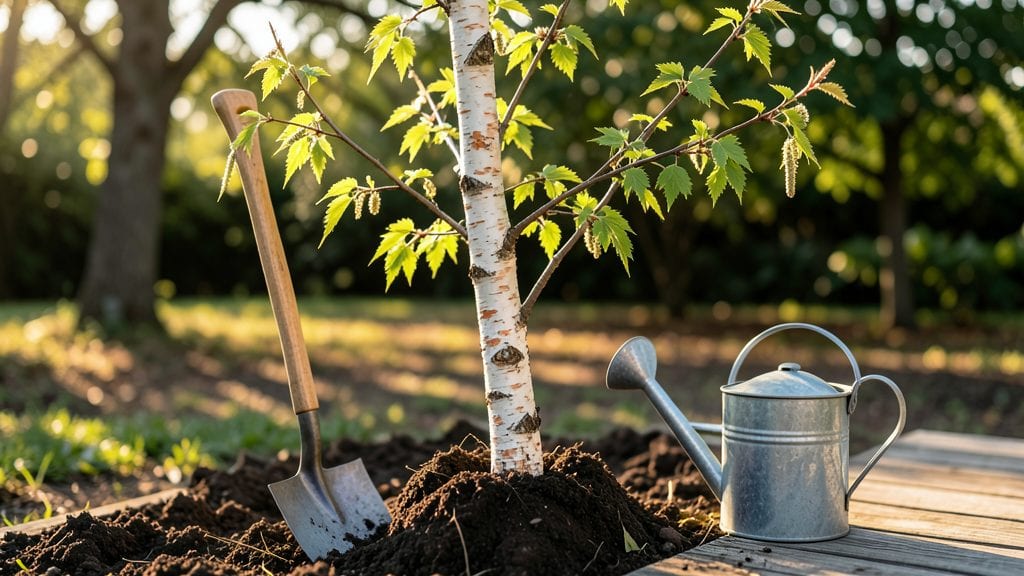
Planting trees in wet soil can feel like a losing battle—until you know the right drainage tricks. 🌲 I’ve turned soggy spots into thriving tree sites by raising beds, amending soil, and picking the toughest species for waterlogged conditions.
The secret isn’t forcing roots to struggle; it’s giving them the right conditions to spread out and strengthen.
You’ll need sandy loam or composted wood chips to break up clay, plus gravel or sand for drainage layers if the soil stays soggy year-round. Skip the fancy tools—just a shovel, wheelbarrow, and a few hours on a dry day.
The right tree species (like willows, bald cypress, or river birch) makes all the difference, too.
With proper prep, roots grow deep and strong instead of rotting or drowning. You’ll see new shoots within 6-8 weeks, and by year two, the tree will outpace neighbors planted in drier soil. The key is aeration—roots need air as much as water.
This works for backyard planting, stormwater projects, or restoring wetland edges. Let’s fix that soggy spot before winter sets in—your tree will thank you for years.
📚 In This Guide
- What you need
- Instructions
- Tips and common mistakes
- Wrapping up and next steps
What you need
- ● Tree seedlings or saplings: Choose species adapted to wet soil (e.g., willows, bald cypress, or swamp maples). Quantity: 1–10, depending on your project.
- ● Shovel or spade: A sturdy round-point shovel (for digging holes) or a flat-edged spade (for slicing roots). Spec: 18–24" blade for ease in wet soil.
- ● Garden trowel: For precision planting and backfilling. Spec: 6–8" stainless steel.
- ● Compost or well-aged manure: Quantity: 2–3 gallons per tree to improve soil structure. Pro tip: Mix with native soil (3:1 ratio) to avoid overwhelming roots.
- ● Organic mulch: Wood chips, straw, or pine needles (3–4 inches thick). Spec: Avoid fresh mulch—it can compact and trap moisture.
- ● Drainage materials: Perlite or vermiculite: Quantity: 1–2 cups per hole to lighten heavy clay soil.
- ● Sand: Coarse, gritty sand (e.g., builder’s sand). Quantity: 5–10 lbs per tree for sandy loam soils.
- ○ Drainage pipe (optional): 4" corrugated PVC (cut to 12–18" lengths) for severe waterlogging.
- ● Watering can or hose with nozzle: For gentle post-planting hydration. Spec: Adjustable nozzle for a fine mist setting.
- ● Garden kneeler or pad: To protect your knees during long planting sessions.
- ● Soil pH test kit: Wet soils often lean acidic—adjust with lime (to raise pH) or sulfur (to lower pH) if needed.
- ● Root stimulator: A mycorrhizal inoculant or seaweed extract to boost root growth in waterlogged conditions.
- ● Tree stakes and ties: For young trees in windy areas. Spec: Biodegradable stakes to avoid harming roots.
- ● Heavy-duty gloves: Waterlogged soil can be messy—opt for waterproof, reinforced gloves.
- ● Wheelbarrow: For hauling amendments and mulch efficiently.
Step-by-Step guide for planting trees in wet soil
Here’s how to create the right conditions for strong root development when working with soggy ground.
🌱 Step 1: Test and Improve Soil Drainage Before Planting
First, dig a hole twice as wide as the tree’s root ball but only as deep as the container’s base. This prevents root suffocation from compacted native soil. Fill the bottom of the hole with 2-3 inches of coarse sand or gravel—this creates a drainage layer that redirects excess water downward. If your soil feels gummy when squeezed, mix in 1-2 inches of compost into the sides of the hole to loosen the clay and encourage root spread.
I always check drainage by filling the hole halfway with water and watching how quickly it drains. If it takes longer than 15 minutes, add another inch of gravel or sand. The goal is to mimic the tree’s natural, well-draining habitat—even in wet conditions.
🪴 Step 2: Plant with a Raised Root Crown and Supportive Soil Mix
Place the tree so the root flare (where roots meet the trunk) sits 1-2 inches above the surrounding soil level. This prevents water from pooling around the trunk, which rots roots over time. Backfill the hole with a 50/50 mix of native soil and coarse organic matter—like peat moss or shredded bark—to improve aeration.
Tap the soil gently as you fill to remove air pockets, but don’t compact it. Pressing too hard creates a barrier that roots can’t penetrate. Water deeply after planting to settle the soil around the roots, then let it drain completely before adding a 2-inch layer of wood chips on the surface to retain moisture without suffocating roots.
☀️ Step 3: Install a Drainage Swale or French Drain System
For chronically wet areas, create a shallow trench (6-8 inches deep) 2-3 feet from the tree’s drip line. Fill it with gravel or crushed stone, then top with landscape fabric to keep soil out. This swale redirects surface water away from the tree’s root zone. For clay-heavy soils, install a perforated drain pipe buried in gravel, sloping gently away from the planting area.
I always slope the ground 2-3 inches over 3 feet away from the tree to encourage water runoff. A slight grade prevents pooling, which is critical for trees struggling in saturated soil. Mulch the base with 3-4 inches of wood chips, keeping it 6 inches away from the trunk to avoid moisture buildup.
💧 Step 4: Water Deeply but Strategically to Encourage Deep Roots
Water the tree once a week for the first month, applying 10-15 gallons slowly to encourage roots to grow downward. Avoid frequent shallow watering, which keeps roots near the surface where they’ll drown. After the first month, reduce watering to every 2-3 weeks unless the soil feels bone-dry to the touch.
Use a soaker hose or drip irrigation placed 12 inches from the trunk to deliver water directly to the root zone. This method prevents runoff and ensures moisture reaches where it’s needed most. Monitor the soil—if it stays soggy for more than 48 hours after watering, you’ll need to revisit your drainage setup.
⏰ Step 5: Monitor and Adjust for Long-Term Success
Check the tree’s progress monthly by gently probing the soil with a stick. If roots aren’t spreading beyond the planting hole after 6 months, your drainage may still be insufficient. Add more gravel or sand to the root zone or extend the French drain system if needed.
Watch for signs of stress: yellowing leaves or stunted growth often mean roots are suffocating. If you see mushrooms or mold near the base, that’s a red flag—it means the soil is too compacted or anaerobic. In that case, aerate the soil with a manual soil corer or call in a professional to assess deeper drainage issues.
Tips & tricks for planting trees in wet soil
These practical insights will help you avoid common pitfalls and ensure your trees thrive in challenging conditions.
Drainage Test: The 15-minute drainage check in Step 1 is your best indicator of success. Fill the hole halfway with water and time how quickly it drains—if it takes longer, you need more gravel or sand. I've seen roots fail when homeowners skip this test, assuming their soil "looks okay." Trust me, that gummy feeling when squeezed is your warning sign. For clay-heavy soils, consider adding perlite to the gravel mix for even better results.
Root Flare Visibility: In Step 2, that raised root flare isn't just about aesthetics—it's about survival. After planting, you should be able to see where the roots meet the trunk. If you bury it, water pools around the trunk and causes rot. I always mark the flare with a pencil before planting to ensure proper positioning. This small detail makes all the difference between a thriving tree and one struggling with root suffocation.
Swale Placement: When creating that 6-8 inch deep trench in Step 3, position it slightly uphill from the tree. This ensures water flows away from the root zone rather than toward it. I've seen homeowners place swales too close or on the wrong side, defeating their purpose. The key is creating that gentle slope—2-3 inches over 3 feet—that directs water away from your tree's vulnerable roots.
Watering Strategy: The 48-hour rule in Step 4 is critical—if your soil stays soggy beyond that time, your drainage system needs adjustment. I recommend using a moisture meter to check soil moisture rather than relying on visual cues. For clay soils, you might need to extend this to 72 hours. The goal is deep watering that encourages roots to grow downward, not shallow watering that keeps them near the surface where they'll drown.
Pro Tips for Planting Trees In Wet Soil
- These practical insights will help you avoid common pitfalls and ensure your trees thrive in challenging conditions.
- Drainage Test: The 15-minute drainage check in Step 1 is your best indicator of success.
- Root Flare Visibility: In Step 2, that raised root flare isn't just about aesthetics—it's about survival.
Frequently asked questions
Got questions about planting trees in soggy soil? You’re not alone—wet conditions can make tree planting tricky! Below, we’ve answered the most common concerns to help you get started with confidence.
Can I plant trees in wet soil during rainy seasons?
Yes, but timing matters! Plant in early spring or fall when rains are less intense. Avoid planting during heavy downpours or flood-prone periods. If you must plant in wet soil, improve drainage first with organic matter or raised beds.
What if my soil stays waterlogged after planting?
Waterlogged soil suffocates roots—act fast! Add coarse sand, gravel, or compost to improve drainage. Plant on a slight mound if needed, and avoid compacting the soil. Mulch with wood chips to help absorb excess moisture.
How long does it take for wet soil to dry enough for planting?
It depends on your climate, but aim for 1-2 weeks of dry weather after heavy rains. Test soil moisture by squeezing a handful—if it stays clumped, wait longer. A soil moisture meter can help track progress.
Are there tree species that tolerate wet soil?
Opt for willows, bald cypress, or river birch, which thrive in moist conditions. Avoid drought-sensitive species like oaks or pines. Research native trees adapted to your area’s wetness.
What’s the best way to fix drainage issues before planting?
Start with a drainage test: Dig a 12-inch hole, fill it with water, and time how long it takes to drain. If it’s slow (<30 mins), amend with perlite, coconut coir, or a French drain. For severe cases, consider raised beds.
Wrapping up and next steps
Planting trees in wet soil doesn’t have to be a challenge—with the right drainage solutions, you can help your trees thrive! 🌱 The key takeaways? Amend the soil with organic matter, raise planting beds, and choose native species to ensure strong root growth.
Don’t let soggy conditions hold you back; your green thumb can make all the difference!
Ready to take action? Start small—pick one tree and test a drainage solution in your yard today! Your future forest (and happy plants) will thank you!