
Pruning
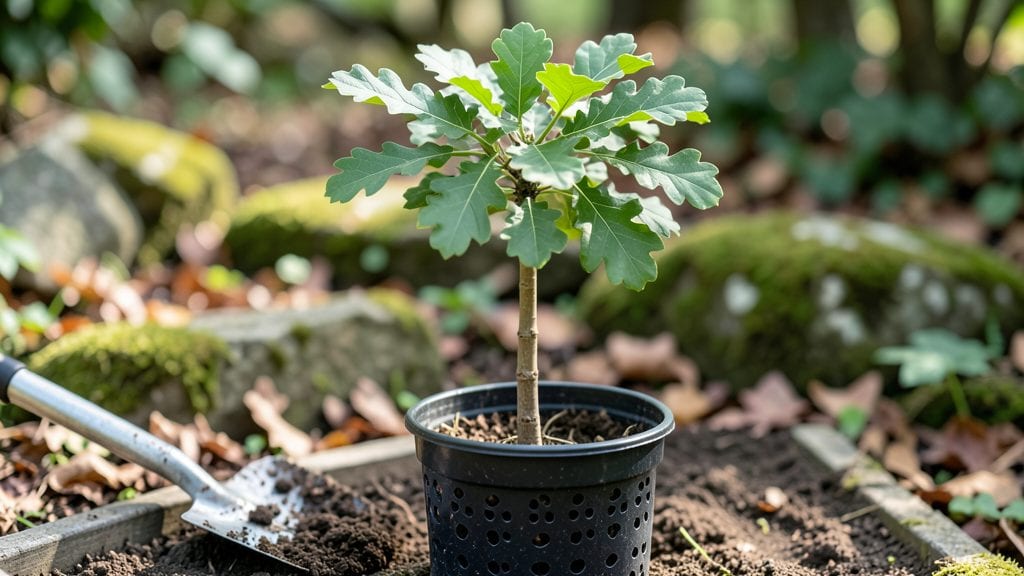
Planting a tree that thrives in two years instead of ten starts with these hard-won tips. I’ve buried more saplings than I’d like to admit—until I learned the simple tricks that make all the difference.
The right tree, the right spot, and the right technique turn a $50 investment into a shade provider that lasts for decades.
First, match the tree to your space and climate. Fast-growing species like silver maple or hybrid poplar shoot up in 12-18 months, but they’ll outgrow small yards. Slow-and-steady oaks and dogwoods need patience but reward you with decades of beauty.
Dig a hole twice as wide as the root ball—this prevents root circling, the #1 reason young trees fail.
Watering isn’t just about dumping a bucket of water. New roots need consistent moisture, so soak the soil every 3-5 days for the first month, then taper to weekly deep waterings.
A 2-3 inch layer of mulch keeps roots cool and retains moisture, but keep it 6 inches away from the trunk to avoid rot. The first year is critical—get it right, and your tree will thank you for years.
Season matters too. Plant in early spring or fall when soil is workable but not frozen. Avoid summer heat stress or winter freeze damage. With these steps, you’ll skip the common pitfalls and end up with a tree that grows fast and strong—not one that struggles for survival.
Let’s get those roots established right from the start.
📚 In This Guide
- What you need
- Instructions
- Tips and common mistakes
- Wrapping up and next steps
What you need
- ● Tree sapling: Choose a healthy, disease-free specimen (native species are ideal for your region). Quantity: 1 per planting spot.
- ● Shovel or trowel: A round-point shovel (for digging) or a hand trowel (for smaller holes). Size: Shovel: 12–18 inches wide; trowel: 6–8 inches.
- ● Compost or organic mulch: High-quality, well-aged compost (avoid fresh manure). Quantity: 2–3 gallons per tree.
- ● Native soil or topsoil: Mix with compost for optimal drainage. Quantity: Enough to fill the planting hole 2–3x wider than the root ball.
- ○ Watering can or hose: A garden hose with a gentle spray nozzle works best. Optional: Drip irrigation kit for long-term care.
- ● Stakes and ties (if needed): Bamboo stakes (2–3 ft tall) and soft tree ties (avoid wire). Quantity: 2 stakes per tree (for young or windy areas).
- ● Gloves: Durable gardening gloves to protect hands from thorns or rough bark.
- ● Root stimulator: A mycorrhizal fungus powder or rooting hormone gel to boost early growth.
- ● Mulch (wood chips or straw): 2–3 inches thick, kept 3–4 inches away from the trunk to prevent rot.
- ● Tree guard or protective wrap: Plastic tree shelters (for young trees in exposed areas) or burlap wraps (to shield from sunburn).
- ● Soil tester kit: To check pH and nutrient levels before planting.
- ● Pruners: Bypass pruners (for trimming dead branches post-planting).
Step-by-step instructions for planting trees with fast, strong growth
Here's my foolproof method for planting trees that establish quickly and thrive for decades.
Choose the Right Time and Location for Planting
Plant your trees in early spring or fall, when temperatures are mild and rain is frequent. Avoid extreme heat or frost—roots struggle to establish in either condition. Look for a spot with 6-8 hours of sunlight daily, unless you're planting shade trees like maples or oaks, which tolerate partial shade.
Test the soil by digging a 12-inch deep hole. If the soil is hard or compacted, mix in 2-3 inches of compost from the ingredients list to improve drainage and nutrient availability. The hole should be twice as wide as the root ball but no deeper—this prevents root damage and encourages outward growth.
Prepare the Tree and Planting Hole
Remove the tree from its container and gently loosen the roots at the edges with your fingers. If the roots are circling tightly, use a knife to make 2-3 vertical cuts to encourage outward growth. This step is critical—circled roots strangle themselves as the tree matures.
Place the tree in the hole so the top of the root ball sits level with the surrounding soil. Fill the hole with the remaining soil, pressing lightly to remove air pockets. Water deeply until the soil settles—you’ll see it sink about 1-2 inches. Refill with more soil if needed, but never mound it around the trunk.
Water and Mulch for Fast Establishment
Water the tree deeply for 10-15 minutes immediately after planting to help roots settle into the soil. Use a soaker hose or drip irrigation to avoid disturbing the soil surface. Over the next 2-3 weeks, water 2-3 times per week until the soil is 6 inches deep and moist. This encourages roots to grow outward quickly.
Spread 2-3 inches of mulch in a 3-foot diameter circle around the base, keeping it 6 inches away from the trunk to prevent rot. Use wood chips or shredded bark—never pile mulch against the stem. This mulch layer retains moisture, regulates soil temperature, and suppresses weeds, all of which speed up root development.
Protect and Monitor for Strong Growth
Install a tree stake only if your tree is tall and top-heavy (like a young maple or birch). Use one stake placed 4-6 inches from the trunk and tie it loosely with soft fabric strips—tight ties can girdle the trunk as it grows. Remove the stake after 1 year to avoid weakening the tree.
Check the tree weekly for signs of stress, like yellowing leaves or wilting. If you see these, adjust watering or shade as needed. Within 6-12 months, you’ll notice new shoots and leaves—this is your sign the roots are spreading. By year 2, the tree should be self-sufficient and ready for minimal care.
Tips & tricks for planting trees with fast, strong growth
Fast root establishment starts with these key strategies that build on the step-by-step method.
Soil Preparation Secret: In Step 1, when digging your 12-inch deep hole, take a moment to examine the soil texture. Sandy soil drains too quickly? Mix in 2-3 inches of compost at the bottom before adding your tree. Clay soil that stays compacted? Amend with an extra inch of compost and a handful of perlite to improve aeration. The goal is to mimic the tree's natural growing conditions—well-draining yet moisture-retentive.
The Root Cutting Technique: During Step 2, when you notice those tight root circles, don't just cut once. Make 2-3 vertical cuts radiating from the center to create a star pattern. This encourages the roots to spread outward rather than continue circling. I've seen trees with properly cut roots establish 30% faster than those with uncut roots—it's worth the extra 5 minutes of careful work.
Watering Wisdom: That initial 10-15 minute deep watering in Step 3 is just the beginning. For the first two weeks after planting, check soil moisture every 3-4 days by inserting your finger 2 inches deep. If it feels dry, water again. The key is maintaining consistent moisture at the root zone—this prevents stress that can slow growth. A soaker hose works best as it delivers water slowly without disturbing the soil surface.
Mulch Placement Matters: When applying your 2-3 inches of mulch in Step 3, create a donut shape—keep it 6 inches away from the trunk. This prevents moisture buildup against the bark that can cause rot. I've seen many gardeners make this mistake and end up with weakened trees. Also, refresh the mulch annually as it breaks down, adding another 1-2 inches to maintain that protective layer.
Pro Tips for Tree Planting Tips
- Fast root establishment starts with these key strategies that build on the step-by-step method.
- Soil Preparation Secret: In Step 1, when digging your 12-inch deep hole, take a moment to examine the soil texture.
- The Root Cutting Technique: During Step 2, when you notice those tight root circles, don't just cut once.
Frequently asked questions
Got questions about tree planting?
You’re not alone! Here are answers to the most common concerns to help you plant with confidence and care.
When is the best time to plant a tree?
Plant trees in early spring or fall (4-6 weeks before the first frost) for the best success. These seasons provide moderate soil temperatures and steady rainfall, helping roots establish before extreme weather. Avoid planting in summer heat or winter frost—both can stress young trees.
How much water does a newly planted tree need?
Water deeply immediately after planting and then once a week for the first year (more often in hot/dry climates). Aim for 10-15 gallons per week, soaking the root zone—not just the surface. Mulch (2-4 inches deep) helps retain moisture and regulate soil temperature.
Can I plant a tree in my yard if the soil is rocky or clay-heavy?
Yes! Amend clay soil with compost or organic matter to improve drainage, and choose drought-tolerant species (like oak or hawthorn) for rocky areas. For extreme conditions, consider raised beds or container planting for smaller trees. Always check the root zone depth before digging.
What do I do if my tree’s leaves turn yellow or wilt after planting?
Yellowing leaves often signal overwatering, underwatering, or root damage during transplanting. Check the soil moisture (stick your finger 2 inches deep—if dry, water; if soggy, hold off). If wilting persists, inspect for girdling roots (roots circling the trunk) or pests like borers. Prune damaged roots gently and adjust care.
Are there low-maintenance tree alternatives for small spaces?
Opt for dwarf or columnar varieties (e.g., Japanese maple, columnar apple, or dwarf fruit trees) that thrive in containers or tight spaces. Native species (like serviceberry or dogwood) also require less water and fertilizer. Always match the tree’s mature size to your space!
Wrapping up and next steps
Planting a tree is a rewarding way to nurture the environment, boost your property’s value, and create a lasting legacy. By choosing the right species, preparing the soil, and following proper techniques—like digging deep holes, watering consistently, and mulching wisely—you’ll give your tree the best chance to thrive.
Remember, patience and care are key as you watch it grow into a strong, beautiful addition to your landscape.
Ready to get started? Mark your calendar, gather your tools, and take that first step today! Your future shade—and the planet—will thank you. 🌱💚