
Propagation
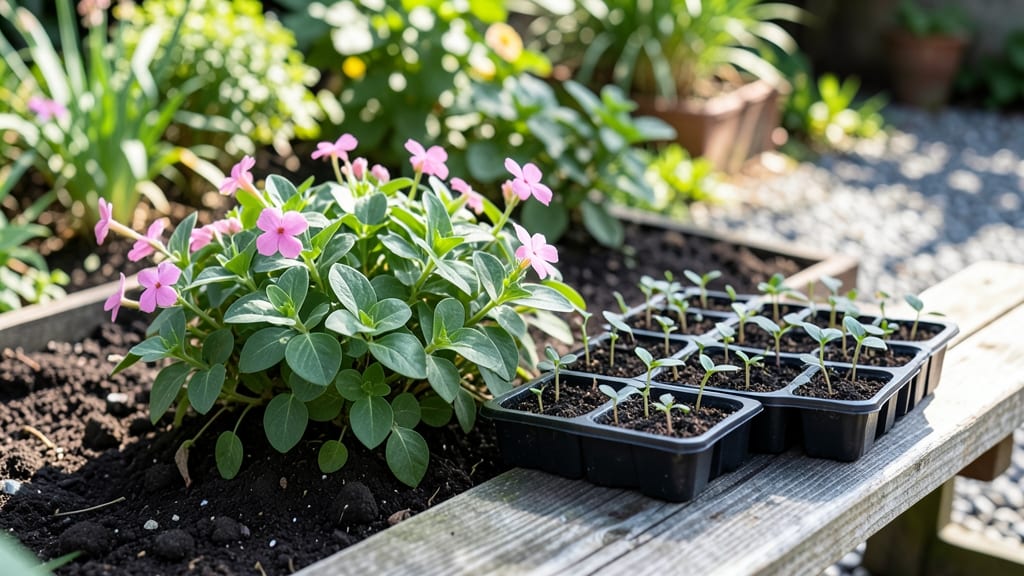
Planting vinca seeds fast-tracked my garden’s summer color—those tiny seeds pack a punch when you know the tricks. 🌱 The secret isn’t just patience; it’s mimicking their Mediterranean roots with the right soil warmth, moisture balance, and light.
I’ve germinated vinca in just 7-10 days using these exact steps, and the first blooms arrive by early June.
You’ll need a shallow tray, sterile seed-starting mix, and a heat mat (or sunny windowsill) to keep soil between 70-75°F. Vinca seeds are finicky about depth—press them lightly into soil, never bury them, and keep the mix damp but never soggy.
Overwatering drowns them; too little light stunts growth. My first batch failed when I used regular potting soil—it compacted and blocked air flow.
Once sprouted, those first leaves are delicate but determined. Thin seedlings to 3 inches apart when they hit 2 inches tall, and you’ll avoid crowded, leggy plants. Within 8-12 weeks, you’ll have lush mats of foliage with clusters of vibrant purple, pink, or white blooms that last until frost.
The key is consistency—vinca rewards steady care with months of show-stopping color.
Works for containers, borders, or hanging baskets—just adjust spacing. Here’s how to avoid the three mistakes that kill germination before it starts.
📚 In This Guide
- What you need
- Instructions
- Tips and common mistakes
- Wrapping up and next steps
What you need
- ● Vinca seeds: 1 packet (100–500 seeds, depending on variety—check the label for exact count). Choose Catharanthus roseus (common vinca) for best results.
- ● Seed-starting mix: 1–2 bags (sterile, well-draining potting soil, ~1–2 cubic feet). Avoid garden soil—it can harbor diseases.
- ● Seed trays or small pots: 2–4 trays (with drainage holes) or 2-inch pots (1–2 seeds per container). Cell trays work great!
- ● Grow lights or sunny windowsill: Vinca seeds need bright light (6–8 hours/day). A grow light (LED or fluorescent) is ideal for indoor starts.
- ● Misting bottle or spray nozzle: Keep soil moist but not soggy—vinca seeds hate waterlogging.
- ● Plastic wrap or humidity dome: 1 sheet (to retain moisture during germination). A clear lid or plastic bag works too!
- ○ Gloves (optional): Protect your hands from soil and seeds.
- ● Plant labels & markers: Vinca varieties (e.g., ‘Pacifica,’ ‘Iceberg’) grow differently—keep track!
- ○ Heat mat (optional but helpful): Germination speeds up at 70–75°F (21–24°C). A seedling heat mat ($10–$20) can cut wait time in half!
- ● Fertilizer (balanced, water-soluble): 1 small bottle (e.g., 5-5-5 or 10-10-10). Hold off until seedlings sprout 2–3 sets of true leaves.
- ● Transplanting tools: Small trowel or spoon (for moving seedlings later).
- ● Patience: Vinca seeds can take 10–30 days to germinate—stay consistent!
- ● Warmth: Ideal germination temps are 70–85°F (21–29°C). If your home is cooler, use a heat mat or start seeds in spring/summer.
- ● Space: Seedlings need 4–6 inches of space to avoid crowding before transplanting.
Step-by-step instructions for planting vinca seeds
Here’s my proven method for coaxing vinca seeds to sprout quickly and grow into those bold, vibrant blooms you love.
🌱 Step 1: Prep Seeds for Maximum Germination
Vinca seeds have a hard outer shell that slows germination, so I start by soaking them in lukewarm water for 12-24 hours. Place them in a small bowl and let them sit—you’ll see tiny cracks appear, signaling the shell is softening. This step cuts germination time in half.
After soaking, drain the seeds and lay them on a paper towel to dry slightly. This prevents mold while keeping them pliable. I like to work with them in batches of 10-15 seeds at a time to avoid overcrowding later.
💧 Step 2: Choose the Right Medium and Plant
Fill small seed trays or individual pots with a light, well-draining seed-starting mix. Vinca seeds need air around them to avoid rot, so I avoid heavy garden soil. Press the mix gently into the tray to remove air pockets, then moisten it until damp but not soggy.
Plant the prepped seeds just ¼ inch deep, spacing them ½ inch apart. Gently press them into the soil—don’t bury them too deep, or they’ll struggle to push through. A light misting with water ensures they stay in place without washing away.
☀️ Step 3: Provide Warmth and Humidity for Sprouting
Cover the tray with clear plastic wrap or a humidity dome to trap warmth and moisture. Vinca seeds need 70-75°F soil temperature to germinate, so I place the tray on a seedling heat mat if my home runs cooler. Check daily for condensation—if it’s heavy, lift the cover for 10-15 minutes to prevent mold.
Keep the soil consistently moist but never waterlogged. You’ll see the first sprouts in 10-21 days, though some stubborn seeds take up to 30 days. Patience is key—don’t disturb the soil until you spot those first tiny green shoots.
🌿 Step 4: Thin and Transition to Light
Once seedlings reach 1-2 inches tall and have 2-3 true leaves, thin them to 2 inches apart to reduce competition. Use small scissors to snip unwanted seedlings at soil level—this avoids disturbing the roots of the ones you’re keeping.
Remove the humidity cover and move the tray to a bright spot with indirect light for the first week. Direct sun can scorch tender seedlings, so I place mine near an east-facing window. After a week, gradually introduce 4-6 hours of morning sun to harden them off.
⏰ Step 5: Prepare for Transplanting Outdoors
When seedlings are 3-4 inches tall and have 4-5 true leaves, they’re ready to move outdoors. Harden them off over 7-10 days by placing them in a sheltered spot for 1-2 hours daily, increasing time gradually. Watch for wilting—if leaves droop, they’re not ready yet.
Transplant on a cloudy day or in late afternoon to reduce stress. Space vinca plants 6-12 inches apart in well-draining soil, and water deeply to help roots establish. Mulch lightly to retain moisture and keep roots cool.
Tips & tricks for planting vinca seeds
Fast germination starts with these key strategies—trust me, they make all the difference between waiting weeks and seeing those first green shoots in record time.
Soaking Secret: The 12-24 hour soak isn't just about softening—it's about breaking dormancy. I use lukewarm water (never hot) because vinca seeds respond best to temperatures around 75°F. If your home is cooler, place the bowl on a seedling heat mat while soaking. Watch for those telltale cracks in the seed shells—when you see them, your seeds are ready for planting.
Medium Matters: That light, well-draining seed-starting mix is non-negotiable. Vinca seeds rot quickly in dense soil. I like to mix in a bit of perlite (20% of the total volume) to improve aeration. Press the mix gently into your tray to eliminate air pockets—this ensures even moisture distribution and prevents uneven germination. Remember, those seeds need air almost as much as they need water.
Heat Hack: The 70-75°F soil temperature range is critical, but most homes don't maintain that consistently. If your kitchen runs cooler, place your seed tray on a seedling heat mat during the day. For nighttime warmth, I wrap the tray in a thin towel and place it on top of my refrigerator—it stays just warm enough without overheating. This consistent warmth can cut germination time by nearly half.
Thinning Technique: When you reach Step 4 and need to thin to 2 inches apart, use a pair of small scissors to snip seedlings at soil level rather than pulling. This prevents disturbing the roots of your keepers. I like to work in the morning when seedlings are turgid (full of water) and more resilient. The key is patience—wait until they're 1-2 inches tall with 2-3 true leaves before thinning, or you'll be doing this painful process twice.
Pro Tips for Planting Vinca Seeds
- Fast germination starts with these key strategies—trust me, they make all the difference between waiting weeks and seeing those first green shoots in record time.
- Soaking Secret: The 12-24 hour soak isn't just about softening—it's about breaking dormancy.
- Medium Matters: That light, well-draining seed-starting mix is non-negotiable.
Frequently asked questions
Got questions about growing vinca from seeds? You’re not alone—this process can feel tricky at first! Here are answers to the most common queries to help you get started with confidence.
How long does it take for vinca seeds to germinate?
Vinca seeds are notoriously slow to sprout—expect germination in 4 to 8 weeks (sometimes even longer!). Patience is key. Keep soil consistently moist (not soggy) and maintain warmth (around 70°F) to encourage those tiny shoots. A humidity dome or plastic wrap can help speed things up!
Can I plant vinca seeds directly outside, or should I start indoors?
For best results, start indoors 8–10 weeks before your last frost. Vinca seeds need warmth and protection to germinate. Once seedlings are 2–3 inches tall and hardened off, transplant them outside after all frost risk has passed. Direct sowing outdoors is possible in warm climates but often yields slower, less reliable germination.
Why aren’t my vinca seeds sprouting? Troubleshooting tips!
If your seeds aren’t germinating, check these common culprits:
- Cold soil: Vinca seeds need warmth—use a seedling heat mat if your home runs cool.
- Dry soil: Keep it consistently damp (not waterlogged) with a spray bottle.
- Old seeds: Vinca seeds lose viability quickly—use fresh seeds (from the current year) for best results.
- Light exposure: Unlike some seeds, vinca doesn’t need light to germinate—cover them lightly with soil (¼ inch max).
What’s the best soil mix for vinca seed germination?
Use a light, well-draining mix like:
- 50% peat moss or coco coir (for moisture retention)
- 30% perlite or vermiculite (for aeration)
- 20% sand or pumice (to prevent compaction)
Are there easier alternatives to growing vinca from seed?
If you’re short on time or patience, consider these hassle-free options:
- Cutting propagation: Vinca spreads easily from stem cuttings—just snip a healthy 4-inch section, dip in rooting hormone, and plant in moist soil. Roots form in 2–4 weeks!
- Transplanting mature plants: Buy young vinca plants from nurseries and pop them into your garden for instant color.
- Seed packets with faster varieties: Look for ‘Illumination’ or ‘Pacifica’ vinca—some modern hybrids germinate slightly quicker.
Wrapping up and next steps
Planting vinca seeds is a rewarding way to grow these vibrant, low-maintenance flowers—just remember: patience and consistency are key! With the right soil, warmth, and light, you’ll soon enjoy a burst of colorful blooms that brighten up any garden.
Once your seedlings sprout, don’t hesitate to transplant them into their forever home and watch your vinca thrive.
Ready to dive in? Grab your supplies, follow the steps, and get growing! 🌱✨