
Picking
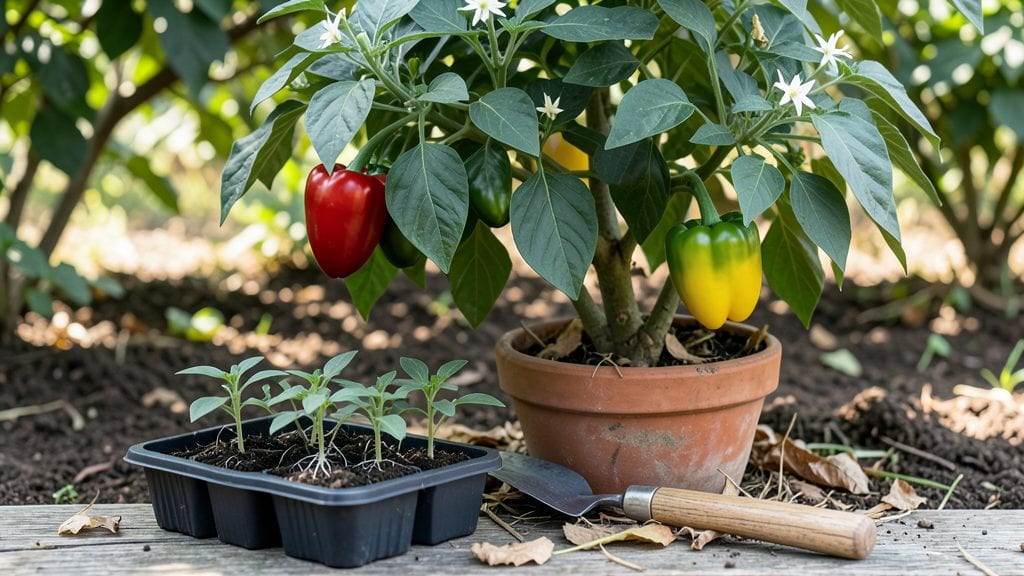
Planting peppers right from the start makes all the difference between a handful of sad fruits and a garden overflowing with crisp, vibrant peppers. 🌱 I’ve learned that the secret isn’t just about the seeds—it’s the soil, the spacing, and even who their neighbors are in the garden.
My first attempt ended with stunted plants and bitter peppers because I ignored these basics, but now I know exactly what works for both hot and mild varieties.
You’ll need well-draining soil mixed with compost, full sun for at least 6-8 hours a day, and patience—peppers take 60-90 days to mature, depending on the variety.
For indoor starts, use small pots and a grow light, while direct outdoor planting works best after the last frost when soil temps hit 60°F. Spacing matters too: give peppers 18-24 inches between plants to avoid crowding, which leads to disease and poor fruit.
Once planted, keep the soil consistently moist but not soggy, and fertilize lightly with a balanced mix every 3-4 weeks. The payoff? A bush bursting with peppers so plump and flavorful you’ll forget store-bought ever tasted this good.
The key is consistency—water, sun, and a little TLC—and you’ll be harvesting all season long.
Works for both backyard gardens and container setups, and the same rules apply whether you’re growing sweet bell peppers or fiery habaneros. Let’s get those plants in the ground and start reaping the rewards!
📚 In This Guide
- What you need
- Instructions
- Tips and common mistakes
- Wrapping up and next steps
What you need
- ● Peppers seeds or seedlings: Choose from hot (e.g., habanero, cayenne) or mild (e.g., bell, banana) varieties. Start with 5–10 plants for a small harvest or 15–20 for a larger yield.
- ● Well-draining potting mix or garden soil: Use a mix rich in organic matter (e.g., compost or aged manure). For containers, opt for a blend labeled for vegetables.
- ● Containers or garden bed: Containers: 5–10 gallon pots (minimum 12" deep) with drainage holes. Use 1–2 plants per container.
- ● Garden beds: Full sun (6+ hours/day) and space 18–24" apart.
- ● Fertilizer: Balanced (10-10-10) or pepper-specific fertilizer. Apply at planting and every 4–6 weeks.
- ● Mulch: Straw or shredded leaves to retain moisture and suppress weeds.
- ● Hand trowel or transplant spade (for planting seedlings)
- ● Watering can or hose with a gentle spray nozzle
- ● Garden gloves (to protect your hands from thorns or soil)
- ● Pruning shears (for trimming dead leaves or shaping plants)
- ○ Cage or stakes (optional, for tall varieties like jalapeños)
- ○ Shade cloth (optional, for seedlings in hot climates)
- ○ pH test kit (optional, to ensure soil pH is 6.0–6.8)
Step-by-Step instructions for planting peppers successfully
Here’s how to grow both hot and mild peppers with confidence—no guesswork, just proven results.
🌱 Step 1: Choose the Right Spot and Prepare the Soil
Peppers thrive in full sun, so pick a location with at least 6-8 hours of direct sunlight daily. I always test the spot first by observing how long it stays sunny—shade from trees or buildings will slow growth and reduce fruit production. Avoid planting where tomatoes, potatoes, or other nightshades grew last year, as they share diseases.
Loosen the soil to a depth of 12 inches using a garden fork or tiller. Peppers prefer well-draining, slightly acidic soil (pH 6.0-6.8). Mix in 2-3 inches of compost from your materials list to enrich the soil without compacting it. Work the compost in thoroughly so the roots can access nutrients easily.
🪴 Step 2: Plant Transplants at the Correct Depth and Spacing
Dig holes twice as wide as the root ball but no deeper than the container’s depth—peppers hate having their stems buried too deep, which can cause rot. Gently remove the plant from its pot and tease the roots apart if they’re circling. Place the pepper in the hole so the top of the root ball sits level with the soil surface—burying the stem too deep suffocates the plant.
Space plants 18-24 inches apart in rows 24-36 inches apart to allow airflow and prevent disease. I plant hot peppers and mild peppers in separate rows to avoid cross-pollination, which can alter flavor. Water each plant deeply right after planting to settle the soil around the roots. You’ll see the soil firm up slightly—that’s your signal the roots are making contact.
☀️ Step 3: Water Deeply and Maintain Consistent Moisture
Peppers need 1-1.5 inches of water per week, but they hate soggy soil. Water deeply 2-3 times per week, aiming for the base of the plant rather than the leaves to prevent fungal diseases. I use a drip irrigation system or a soaker hose to deliver water slowly—this keeps moisture even and reduces evaporation. Wait until the top inch of soil feels dry before watering again.
Mulch around the base with 2-3 inches of organic mulch (like straw or shredded leaves) to retain moisture and suppress weeds. Keep the mulch 2 inches away from the stem to prevent rot. You’ll notice fewer weeds popping up and the soil staying cooler, which is especially helpful in hot climates where peppers can stress easily.
✂️ Step 4: Prune and Support for Stronger Plants
Remove any suckers (small shoots that form in the leaf axils) as soon as you spot them—these drain energy from fruit production. I also prune the lower leaves that touch the soil to improve airflow and reduce disease risk. For tall varieties, install stakes or cages early to support the plant as it grows. Peppers can get top-heavy with fruit, so sturdy support prevents them from snapping.
Pinch off the first few flowers if your plant looks leggy or weak. This might seem counterintuitive, but it redirects the plant’s energy into stronger stems and roots, leading to a bigger harvest later. Once the plant is established (after 4-6 weeks), let it flower and fruit freely. You’ll see thicker stems and more vibrant leaves as a sign it’s thriving.
🌿 Step 5: Fertilize and Monitor for Pests
Feed peppers with a balanced fertilizer (like 10-10-10) every 4-6 weeks starting when flowers appear. I mix the fertilizer into the soil around the base, keeping it 2 inches away from the stem. Over-fertilizing leads to lush foliage but fewer peppers, so follow the package rates closely. Watch for yellowing leaves—this often signals either overwatering or a nutrient deficiency.
Keep an eye out for common pests like aphids or spider mites. If you spot them, blast off the pests with a strong stream of water from your hose first. For stubborn infestations, use neem oil (mix 1 tablespoon per gallon of water) as a natural remedy. Healthy peppers develop a thick, waxy skin and glossy leaves—this is your sign they’re pest-resistant and ready for a bountiful harvest.
Tips & tricks for planting peppers successfully
A few simple tricks will help your peppers thrive and produce a bountiful harvest—no guesswork involved.
Sunlight Secret: The 6-8 hours of daily sunlight mentioned in Step 1 is non-negotiable for peppers. I've learned this the hard way—when I planted in partial shade, my peppers grew tall and leggy but produced almost no fruit. Test your spot by observing sunlight patterns for a full day before planting. Morning sun is especially important, as it helps dry dew quickly and prevents fungal diseases.
Soil Preparation Tip: When loosening the soil to 12 inches in Step 1, don't just scratch the surface—really work that garden fork or tiller deep. Peppers have long taproots that need room to grow. I like to add a handful of perlite to the bottom of each planting hole to improve drainage further. This prevents waterlogging, which is deadly for peppers.
Planting Depth Watch: In Step 2, that "level with the soil surface" guideline is crucial. I once buried stems too deep and ended up with rotten plants. Here's my trick: Use a small stake to mark the original soil level from the pot before planting. This visual guide ensures perfect depth every time.
Watering Wisdom: The 1-1.5 inches of water per week in Step 3 is perfect, but timing matters just as much. I water my peppers in the early morning so the leaves have all day to dry. Wet foliage at night creates the perfect environment for fungal diseases. Also, use a rain gauge to measure your watering—it's shocking how much more water we think we're giving than we actually are!
Pro Tips for Planting With Peppers
- A few simple tricks will help your peppers thrive and produce a bountiful harvest—no guesswork involved.
- Sunlight Secret: The 6-8 hours of daily sunlight mentioned in Step 1 is non-negotiable for peppers.
- Soil Preparation Tip: When loosening the soil to 12 inches in Step 1, don't just scratch the surface—really work that garden fork or tiller deep.
Frequently asked questions
Got questions about planting with peppers?
You’re not alone! Whether you're a first-timer or a seasoned gardener, these answers will help you grow a thriving pepper patch—from timing to troubleshooting. Let’s dive in!
When is the best time to plant peppers?
Peppers thrive in warm soil (at least 60°F/15°C) and need 6-8 hours of sunlight daily. Start seeds indoors 8-10 weeks before your last frost or plant outdoors after all danger of frost has passed. In cooler climates, use black plastic mulch or grow bags to extend the season. Pro tip: Wait until nighttime temps stay above 50°F (10°C) for best results!
Can I plant peppers with other vegetables?
Yes! Peppers are companion plants that pair well with:
- Basil (repels pests and boosts flavor)
- Onions/garlic (deter aphids)
- Spinach (shade-tolerant and non-competitive)
How long does it take for pepper plants to produce fruit?
Most pepper varieties take 60-90 days to bear fruit after transplanting, but mild peppers (like bell peppers) mature faster (50-70 days), while hot peppers (like jalapeños or habaneros) take longer (70-120 days). Patience is key—consistent watering, fertilizing, and sunlight speed up the process. Fun fact: Some heirloom varieties (like Poblano) can take up to 150 days!
What should I do if my pepper plants get pests or diseases?
Common issues include aphids, spider mites, or fungal diseases (like powdery mildew). Here’s how to fix them:
- Pests: Spray with neem oil or introduce ladybugs for natural control.
- Fungal issues: Improve airflow, avoid overhead watering, and treat with copper fungicide if needed.
- Blossom end rot: Caused by calcium deficiency—apply crushed eggshells or a calcium supplement.
What if I don’t have a garden? Can I grow peppers in containers?
Peppers adapt well to 5-gallon pots or larger (minimum 12” deep). Use well-draining soil, a balanced fertilizer, and place containers in full sun. Dwarf varieties (like ‘Snack Pepper’ or ‘Jalapeño M’) are perfect for containers. Just ensure pots have drainage holes and water consistently—container soil dries out faster!
Wrapping up and next steps
Planting with peppers is a rewarding journey that blends creativity with delicious results! Whether you’re growing fiery habaneros or sweet bell peppers, the key is patience, proper spacing, and a little love. Start small, experiment with varieties, and soon you’ll be harvesting a bounty that turns meals into masterpieces.
Ready to dive in? Pick your favorite pepper seeds or seedlings today—your kitchen (and taste buds) will thank you! 🌱🔥