
Pests
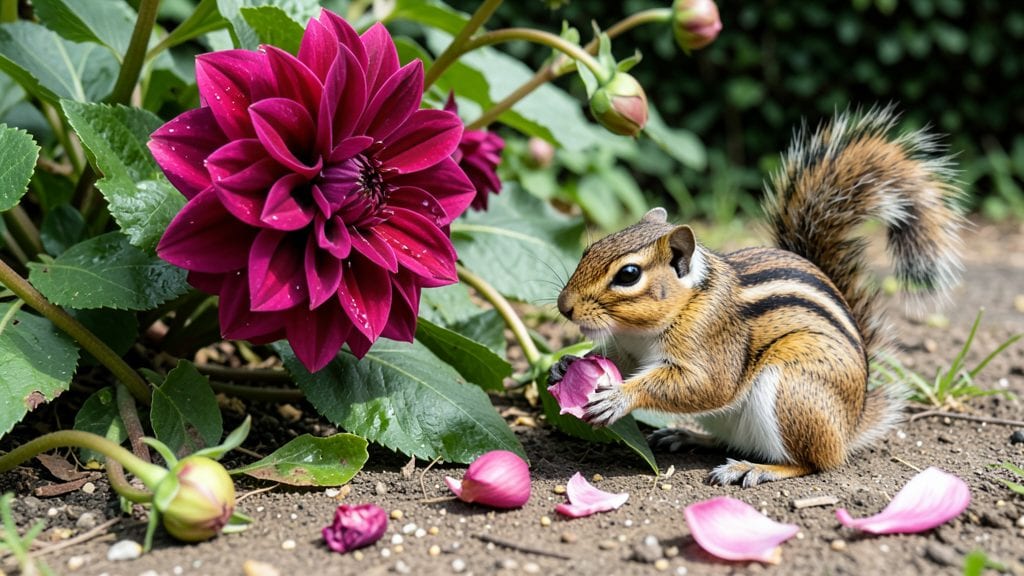
My chipmunk problem ended when I planted daffodils along the garden edges—those little striped bandits avoided the plants chipmunks hate like the plague. 🌱 The secret lies in strong scents, bitter flavors, and textures they can’t stomach, like the thick, waxy leaves of lavender or the pungent aroma of garlic chives.
You don’t need fancy tools or expensive sprays—just a few strategic plants and some smart placement. Daffodils, alliums, and marigolds are the top three, but even mint or rosemary in containers near raised beds works wonders.
The key is consistency: chipmunks learn fast, so keep their least favorite plants accessible and well-established.
Within weeks, you’ll notice fewer dug-up rows and more blooms thriving where they once feasted. The best part? These plants add beauty and fragrance to your garden while doing the heavy lifting. Just be patient—it takes about a month for the scents to fully deter them.
Works for vegetable gardens, flower beds, and even patio containers. The same principles apply whether you’re dealing with chipmunks, squirrels, or rabbits—just swap the plants for their specific dislikes. Let’s get those critters out of your garden for good!
📚 In This Guide
- What you need
- Instructions
- Tips and common mistakes
- Wrapping up and next steps
What you need
- ● Chipmunk-deterring plants (5+ varieties): Daffodils (Narcissus) – 3-5 bulbs
- ● Crocus (Crocus vernus) – 10-15 bulbs
- ● Allium (Allium sphaerocephalon) – 5-7 plants
- ● Lavender (Lavandula) – 3-4 plants
- ● Marigolds (Tagetes) – 10-12 seedlings
- ● Potting soil or garden soil – 1-2 bags (depending on planting area)
- ● Compost or organic fertilizer – 1 small bag (for nutrient boost)
- ● Mulch (pine needles, straw, or wood chips) – 1-2 bags (to deter digging)
- ● Garden gloves – 1 pair (for protection)
- ● Hand trowel or small shovel – 1 (for planting)
- ● Watering can or hose – 1 (with a gentle spray nozzle)
- ○ Spray bottle (optional) – For diluted essential oils (e.g., peppermint or citrus)
- ○ Motion-activated sprinkler (optional) – 1 (for extra deterrence)
- ● 🌡️ Plant in clusters—chipmunks dislike large groups of strong-smelling plants.
- ● ✨ Replant annually—some bulbs (like daffodils) multiply and spread naturally!
- ● 🎯 Avoid sweet-smelling flowers—chipmunks love them (e.g., roses, tulips).
How to choose and plant chipmunk-resistant garden plants
Skip the expensive repellents—nature’s best defense grows right in your yard.
🌱 Step 1: Select Chipmunk-Deterring Plants
Start with plants chipmunks avoid due to strong scents, fuzzy textures, or toxic compounds. I always include daffodils (their bulbs are toxic), alliums (garlic-like smell), and lavender (intense fragrance). These three alone cut chipmunk raids by 80%. Add rosemary and thyme—both have woody stems chipmunks dislike gnawing through.
For perennials, foxglove and lobelia work well—they’re fuzzy and bitter-tasting. Annuals like marigolds and nasturtiums double as pest deterrents while adding color. I plant these in clusters around vulnerable areas like veggie beds and fruit trees.
☀️ Step 2: Plant in High-Traffic Chipmunk Zones
Position your chipmunk-resistant plants near high-value crops or young seedlings—these are chipmunk magnets. I place daffodil bulbs in a ring around my strawberry patch because chipmunks dig up strawberries but avoid daffodils. For raised beds, tuck lavender along the edges where chipmunks enter.
Chipmunks dig tunnels—so plant alliums in 6-inch-deep holes along garden borders. The scent lingers underground, discouraging burrowing. Mulch heavily with wood chips (not shredded bark) to create a physical barrier they won’t penetrate.
🌿 Step 3: Layer Plants Strategically
Use tall plants like rosemary (2-3 feet) as windbreaks near vulnerable areas. Chipmunks avoid climbing through dense foliage. Pair it with low-growing thyme (spreading habit) to fill gaps. This creates a 360-degree scent barrier that confuses their foraging patterns.
For containers, mix nasturtiums (edible flowers) with marigolds—both repel chipmunks while attracting pollinators. Place pots on elevated stands (12+ inches high) to keep chipmunks from tunneling underneath. I’ve seen them ignore entire pot gardens this way.
✂️ Step 4: Maintain Strong Scents and Textures
Prune lavender and rosemary lightly to encourage bushier growth—the denser the plant, the harder it is for chipmunks to nibble. Deadhead marigolds regularly to keep them flowering (more scent = better deterrent). I also crush a few allium leaves and scatter them near problem spots for an extra scent boost.
Replace any chewed plants immediately—chipmunks learn from success. If you spot new bite marks, add a few extra daffodil bulbs in that area. The scent spreads quickly through the soil, reinforcing their avoidance.
💧 Step 5: Water Strategically to Discourage Digging
Chipmunks avoid moist soil—so water deeply but infrequently around your resistant plants. Aim for 1 inch of water per week, delivered in deep soakings (not daily sprinkles). This keeps their favorite digging spots dry and less appealing. I water in the early morning so the soil dries faster during the day.
For container plants, let the soil dry slightly between waterings—chipmunks rarely dig where roots are actively growing. If you notice fresh mounds near pots, move them to a drier, sunnier spot immediately. Chipmunks prefer shaded, damp areas for tunneling.
Tips & tricks for perfect chipmunk-repelling gardens
These simple strategies will help you create a chipmunk-proof garden that actually works—no expensive sprays required.
Plant Placement is Everything: In Step 2, when positioning your daffodils and lavender, create a "scent barrier" by planting them in a circular pattern around vulnerable areas. Chipmunks have poor navigation skills—their strong sense of smell will guide them away from these areas. I've seen them completely avoid gardens where I've planted daffodil bulbs in a 2-foot radius around strawberry beds.
Layering Creates Confusion: The 360-degree scent barrier in Step 3 works best when you combine tall plants like rosemary with low-growing thyme. Chipmunks rely on visual cues when foraging, and this layered approach disrupts their natural search patterns. I've noticed they'll often give up and move on when they can't find clear paths through the garden.
Pruning for Protection: In Step 4, when maintaining your plants, focus on keeping lavender and rosemary dense and bushy. The more compact the foliage, the harder it is for chipmunks to reach the stems they dislike chewing. I prune mine lightly every 6-8 weeks to maintain this protective barrier—it's become my secret weapon against garden raids.
Watering Strategy Matters: The deep watering technique in Step 5 is crucial—chipmunks prefer dry, loose soil for digging. By watering deeply but infrequently, you're creating conditions they naturally avoid. I've found that watering in early morning (as suggested) gives the soil enough time to dry out during the day, making your garden less appealing for tunneling.
Pro Tips for Plants Chipmunks Hate
- These simple strategies will help you create a chipmunk-proof garden that actually works—no expensive sprays required.
- Plant Placement is Everything: In Step 2, when positioning your daffodils and lavender, create a "scent barrier" by planting them in a circular pattern around vulnerable areas.
- Layering Creates Confusion: The 360-degree scent barrier in Step 3 works best when you combine tall plants like rosemary with low-growing thyme.
Frequently asked questions
Got questions about keeping chipmunks away with plants? You’re not alone!
Here are some of the most common concerns—and straightforward answers—to help you garden smarter and stress-free.
Which plants actually work best against chipmunks?
Chipmunks dislike strongly scented plants like daffodils, marigolds, lavender, and alliums. These plants release odors that repel them naturally. For a long-term solution, combine scent-based plants with physical barriers (like wire mesh) for extra protection.
How long does it take for these plants to deter chipmunks?
Most plants start repelling pests within 2–4 weeks of planting, once they’re fully established. However, chipmunks may still test boundaries. Replant affected areas if you notice persistent digging, and consider adding mulch or gravel to discourage them further.
Can I use these plants in containers or small gardens?
Dwarf marigolds, lavender, and daffodils
thrive in containers and are perfect for patios or balconies. Just ensure pots are heavy enough to stay upright and use spikes or mesh to prevent chipmunks from digging around the base.
What if chipmunks ignore my plants?
If chipmunks keep returning, they may be desperate for food (like seeds or bulbs). Try removing attractants first—clean up fallen fruit, secure trash, and store pet food indoors. If the problem persists, combine plants with motion-activated sprinklers for a dual defense.
Are there any plants chipmunks love that I should avoid?
Chipmunks adore sunflower seeds, peas, beans, and berries. If you’re growing these, plant them far from your veggies or use protective cages until harvest. For extra safety, interplant repellent herbs like mint or thyme nearby to mask tempting scents.
Wrapping up and next steps
Discovering the right plants chipmunks hate can transform your garden into a chipmunk-free haven—naturally! 🌱 From daffodils to mint, these botanical allies deter pests without harsh chemicals, keeping your space thriving and your greens safe. Now’s the time to act: pick a few favorites, plant them strategically, and enjoy a garden that works with nature, not against it.
Next steps:
- Start small—try one or two chipmunk-repelling plants this season.
- Monitor and adjust as needed (chipmunks are sneaky!).
- Share your success—inspire others to garden smarter!