
Companion Plants
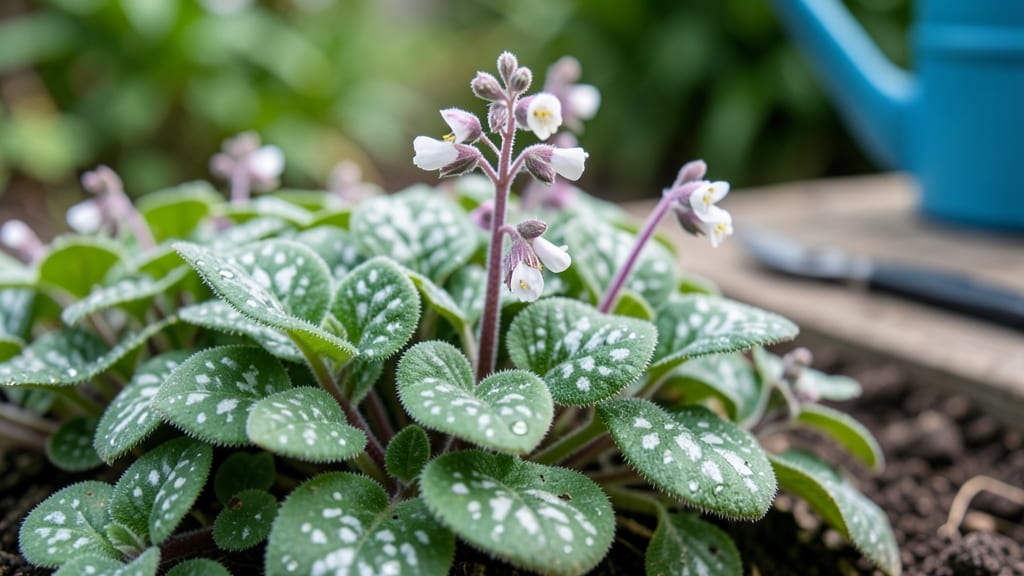
Slugs hate these plants more than they hate anything else in your garden. 🌿 I’ve lost count of the nights spent handpicking slimy invaders from my hostas—until I discovered the plants that act like natural repellents. The secret lies in their scent, texture, or toxicity, which slugs instinctively avoid.
Lavender, garlic, and geraniums top the list because their strong aromas confuse slugs’ navigation systems. Even their leaves feel abrasive to slugs’ soft bodies, making them skip right over these plants. You don’t need fancy setups—just tuck these into borders or containers near your prized plants.
Within weeks, you’ll notice fewer trails of slime and more intact leaves. The best part? These plants thrive on their own, adding beauty while doing the dirty work. Plus, they’re safe for kids and pets—no chemicals needed.
Works in any garden, from shady borders to sunny patios. Here’s how to strategically place them for maximum slug-deterrent power.
📚 In This Guide
- What you need
- Instructions
- Tips and common mistakes
- Wrapping up and next steps
What you need
- ● Slug-repellent plants (5–10 per barrier): Lemongrass (5–7 stalks)
- ● Thyme (10–15 small plants)
- ● Garlic chives (1–2 clumps)
- ● Mint (3–5 plants)
- ● Rosemary (2–3 bushes)
- ○ Companion plants (optional but effective): Marigolds (5–7 plants)
- ● Geraniums (3–5 plants)
- ● Dianthus (4–6 plants)
- ● Garden tools: Trowel (1)
- ● Garden gloves (1 pair)
- ● Pruners (1)
- ○ Measuring tape (optional, for spacing)
- ● Soil & amendments: Well-draining potting mix (2–3 bags, 1–2 cubic feet each)
- ● Compost (1 bag, 1–2 cubic feet)
- ● Slow-release fertilizer (1 bag, 5–10 lbs)
- ● Copper tape or wire (1–2 rolls, 1–2 inches wide) for physical barriers
- ● Diatomaceous earth (1 small bag, food-grade) for extra slug deterrence
- ● Mulch (straw or pine needles, 1–2 bags) to retain moisture and deter pests
- ● Garden stakes or markers (for labeling plants)
How to create a slug-repelling garden barrier
Here's my go-to method for designing a natural, low-maintenance border that keeps slugs away without chemicals.
🌿 Step 1: Select Slug-Deterring Plants for Your Climate
Choose plants slugs actively avoid—geraniums, lavender, thyme, and rosemary are my top picks. These plants have strong fragrances and fuzzy or leathery leaves that slugs dislike. I always include at least three different types in each border to create a layered effect that slugs can't penetrate.
For shady areas, try heuchera (coral bells) or hostas with thick leaves—slugs still avoid them, though they're not as effective in full sun. Local nurseries often carry native varieties that work best in your region, so ask for recommendations when selecting plants.
🪴 Step 2: Plan a Multi-Layered Border Design
Arrange plants in three height tiers: tall in back (like lavender or rosemary), medium in the middle (geraniums or thyme), and low-growing in front (creeping thyme or ajuga). This creates a dense, impenetrable barrier that slugs can't crawl through. Space plants 12-18 inches apart to allow room for growth and airflow.
I always include a 6-inch band of gravel or sharp-edged mulch along the inner edge of the border. Slugs hate crossing rough surfaces, and this extra barrier makes your garden even more slug-proof. Use 1-2 gallons of gravel for a 4-foot border section.
☀️ Step 3: Plant and Establish the Barrier
Dig holes twice as wide as the root ball and plant deeply enough so the top of the root ball sits just below soil level. Water each plant thoroughly after planting to help roots establish. I like to add 1 tablespoon of slow-release fertilizer to each hole before backfilling with soil.
Mulch the entire border with 2-3 inches of coarse mulch (like pine bark or wood chips) to suppress weeds and retain moisture. Avoid fine mulches—slugs can hide in them. Water deeply once a week for the first month to help plants take root before the slug barrier becomes fully effective.
✂️ Step 4: Maintain and Reinforce the Barrier
Prune plants twice a year—once in early spring to shape them and again after flowering to encourage bushier growth. Trim back any leggy stems that might create gaps in your barrier. I also remove any weeds that pop up, as slugs love hiding in dense weed patches.
Every 6-8 weeks, add fresh mulch to maintain the 2-3 inch layer. This keeps the barrier looking neat and prevents slugs from finding shelter at the base of plants. If you notice slugs trying to cross, sprinkle dried diatomaceous earth along the border line—it’s non-toxic but deadly to slugs.
Tips & tricks for creating an effective slug-repelling garden barrier
Between us, the secret to a slug-proof garden lies in the details—those little touches that make all the difference. Here's what nobody tells you about building a barrier that actually works.
Plant Selection is Everything: While geraniums, lavender, and rosemary are my go-to slug repellents, don't overlook alliums (like chives or garlic) or fennel—their strong aromas are slug magnets in reverse. Pro tip: Mix in one or two carnivorous plants like sundews or butterworts if you're dealing with a serious slug problem. They'll actually eat the pests for you!
The Gravel Band Makes All the Difference: That 6-inch gravel band isn't just decorative—it's your first line of defense. I recommend using sharp-edged gravel or even crushed seashells, which slugs absolutely despise. For a 4-foot border section, spread the gravel in a 3-inch wide band along the inner edge. This creates a physical barrier slugs won't cross, even if they find gaps between plants.
Mulch Choice Matters More Than You Think: Fine mulches like shredded leaves create perfect hiding spots for slugs. Instead, use coarse pine bark or wood chips with chunks larger than 1/2 inch. The rough texture discourages slug movement, and the larger pieces don't compact as easily. I also recommend adding a thin layer of diatomaceous earth on top of the mulch for extra protection—it's non-toxic to plants but deadly to slugs.
Timing Your Maintenance is Critical: Those twice-yearly prunings in Step 4 aren't just about looks—they're essential for keeping your barrier dense. After the first pruning in spring, I always add 1/2 inch of fresh coarse mulch to maintain that 2-3 inch layer. The second pruning after flowering helps prevent leggy growth that could create gaps where slugs might sneak through. Don't skip either one!
Pro Tips for Plants Slugs Hate
- Between us, the secret to a slug-proof garden lies in the details—those little touches that make all the difference.
- Plant Selection is Everything: While geraniums, lavender, and rosemary are my go-to slug repellents, don't overlook alliums (like chives or garlic) or fennel—their strong aromas are slug magnets in reverse.
- The Gravel Band Makes All the Difference: That 6-inch gravel band isn't just decorative—it's your first line of defense.
Frequently asked questions
about plants slugs hate—because even the best garden defenses need a little troubleshooting! Here’s what you’ve been wondering:Which plants actually work best for repelling slugs?
Slugs despise strongly aromatic herbs like mint, thyme, lavender, and rosemary, as well as geraniums, ferns, and hostas (they’re slug-resistant!). For edible gardens, try garlic, onions, or chives—their pungent scent keeps pests away naturally.
How long does it take for these plants to deter slugs?
Most slug-repelling plants start working within 2–4 weeks once established, but the effect depends on their scent strength. Mint and garlic act fastest (often within days), while slower-growing perennials like lavender may take a season to fully discourage slugs.
Can I use these plants in containers or just in-ground?
Container gardening
is perfect for slug-hating plants like mint (in pots to contain its spread) or geraniums. Just ensure containers have drainage holes—slugs can’t climb smooth surfaces, so elevated pots add extra protection.
What if slugs ignore my repellent plants?
If slugs persist, combine methods: add copper tape (creates a mild electric barrier), mulch with diatomaceous earth, or handpick slugs at night (use a flashlight!). Overwatering or damp soil can weaken repellent scents, so adjust irrigation.
Are there any plants slugs love I should avoid?
Slugs adore tender, moist plants like lettuce, hostas, marigolds, and strawberries. If you grow these, plant them near repellents (e.g., garlic around strawberries) or use physical barriers like coffee grounds or crushed eggshells.
Wrapping up and next steps
Transforming your garden into a slug-proof sanctuary is easier than you think! By leveraging plants slugs hate—like geraniums, lavender, and mint—and creating natural barriers, you can protect your prized plants without harmful chemicals. 🌿✨ The key is consistency: maintain your barriers, rotate plants, and stay vigilant.
Now that you’re armed with these strategies, take action today—start small with a few slug-repelling plants or a DIY copper barrier, and watch your garden thrive!
Next step: Pick one method from this guide and implement it this weekend. Your future self (and your plants!) will thank you. 🌱💚