Planting
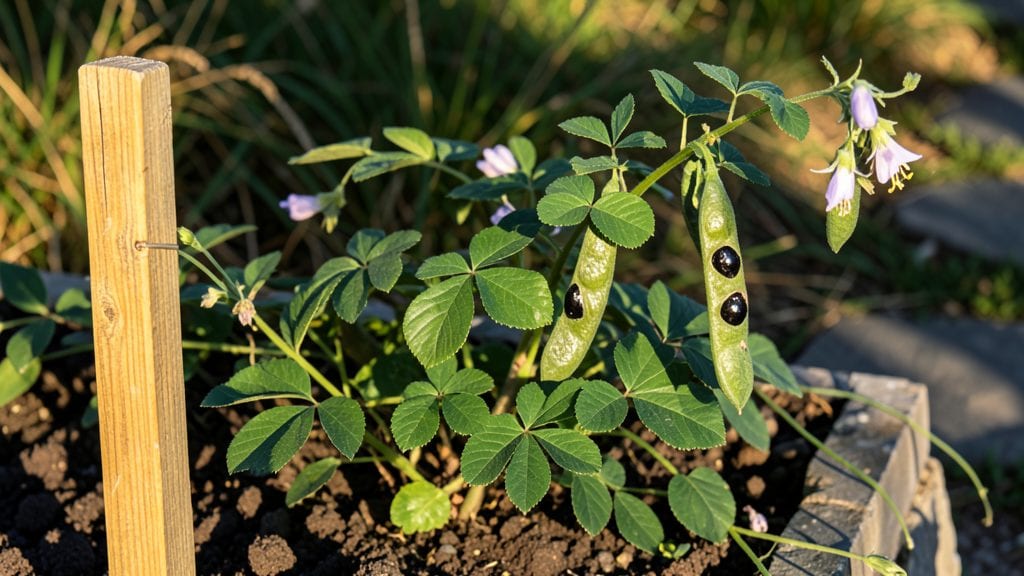
Poisonous bean plants pose serious risks—species like laburnum, rosary pea, and jimsonweed contain deadly toxins such as cytisine, abrin, or tropane alkaloids that can cause severe illness or death if ingested. Always verify plant identification before handling or consuming any bean variety.
These toxic plants can be mistaken for edible varieties, so knowing their key features is crucial. 🌿 Laburnum's bright yellow seed pods resemble edible beans but contain neurotoxins, while rosary pea's striking red-and-black seeds hide abrin—a poison 75 times more lethal than cyanide.
Even touching some plants can cause skin irritation, making proper identification non-negotiable. I always cross-reference with a trusted botanical guide before trusting any unfamiliar bean plant, especially when gardening or foraging.
What's especially concerning is how easily these plants can be confused with safe alternatives. For example, the golden chain tree (Laburnum anagyroides) looks similar to wisteria vines, which are non-toxic.
The key difference? Laburnum's leaves are compound with 3 leaflets, while wisteria has 5-19. This distinction could mean the difference between a harmless garden plant and one that's deadly if ingested.
💡 In This Article
- Toxic Compounds in Dangerous Bean Plants
- Safe Bean Plants for Gardens and Cooking
Toxic compounds in dangerous bean plants
The most dangerous bean plants contain chemical compounds that attack the human nervous system, digestive tract, or respiratory system. Cytisine, found in laburnum seeds, mimics acetylcholine in the body, causing muscle spasms, vomiting, and even respiratory paralysis at doses as low as 0.01 grams per kilogram of body weight.
This toxin works by overstimulating nicotinic acetylcholine receptors, leading to a cascade of uncontrolled nerve signals that can be fatal within hours. 🔥
Abrin, the toxin in rosary pea seeds, is one of the most potent natural poisons known—just 0.0001 grams can be lethal. Unlike many toxins, abrin doesn't break down in the stomach but instead travels through the bloodstream to the liver, where it inhibits protein synthesis.
This causes organ failure within 36-72 hours of ingestion. The seeds' striking red-and-black coloration serves as a natural warning, but their similarity to edible beans makes accidental poisoning a real risk.
Jimsonweed (Datura stramonium) contains tropane alkaloids like scopolamine and atropine, which disrupt the parasympathetic nervous system. Symptoms start with dry mouth and blurred vision, then progress to hallucinations, seizures, and coma if untreated.
What's alarming is how quickly toxicity builds—just 2-5 seeds can be deadly for an adult. These compounds block acetylcholine receptors, leading to dangerous heart rhythms and paralysis of the respiratory muscles.
The toxicity varies dramatically by plant part. Laburnum seeds contain the highest concentration of cytisine, while the leaves and stems have lower but still dangerous levels. Rosary pea seeds are especially hazardous because their hard outer shell can survive digestion, releasing abrin in the intestines.
Even the pods of these plants may contain residual toxins, making them unsafe for composting or animal feed. 💫
Real-world cases highlight these dangers. In 2018, a child in India died after chewing rosary pea seeds mistaking them for chickpeas. The abrin content caused liver failure within days.
Another case involved a gardener who developed severe neurological symptoms after handling laburnum seeds without gloves, demonstrating that skin contact can also be dangerous. These examples show why proper identification and handling precautions are essential when working with any unfamiliar bean plant.
What most people don't realize is that even cooking doesn't neutralize these toxins. Heat may break down some compounds, but abrin and cytisine remain stable at cooking temperatures. This means that traditional food preparation methods won't make these plants safe to consume.
Always treat any suspicious bean plant as potentially deadly until confirmed safe by a botanical expert. ✨