
Companion Plants
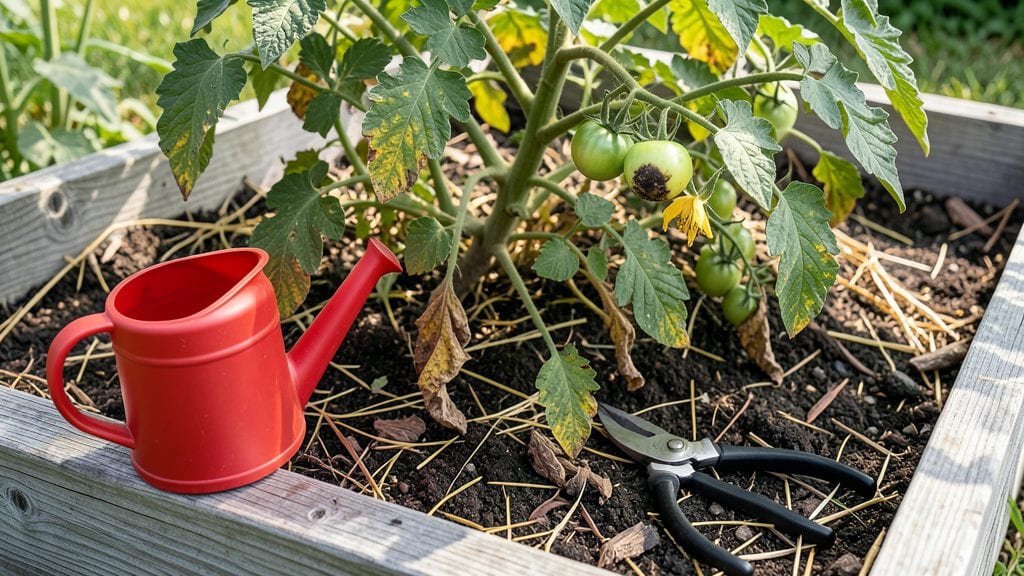
Before the damage gets worse, here’s how to tackle the most common problems with plants—15 fast-acting fixes that turn wilted leaves, yellowing stems, and chewed foliage around in days, not weeks. 🌱 I’ve seen it work time and again once I figured out the real cause.
The key is spotting the symptoms early and acting fast, whether it’s pests, disease, or something as simple as overwatering.
Most plant problems aren’t mysteries—they’re clues. Drooping leaves? Check the soil moisture and roots. Brown spots? Look for fungal signs or pest trails. I’ve even caught early-stage aphid colonies by flipping leaves and seeing tiny white specks.
The faster you identify the issue, the faster you can stop it. No guesswork, just solutions.
You’ll learn to recognize the most common foes—from powdery mildew to spider mites—and how to tackle them without harsh chemicals. My tomato plants went from crispy-edged and wilted to thriving in under a week once I adjusted watering and added a shade cloth.
The right fix can make all the difference, and I’ll show you exactly what works.
Whether you’re dealing with a sudden outbreak or a slow decline, this guide cuts through the confusion. No fluff, just the fast fixes that actually work—tested on my own struggling plants. Let’s get those greens back to their best in no time.
Root Causes of Plant Struggles
Understanding why plants act out is half the battle—because once you know why, you can fix it fast. Plants don’t just "wilt for fun"; they’re sending distress signals. Let’s break down the real culprits behind their suffering, from invisible enemies to human mistakes.
Plants can’t scream "stop!" when their roots suffocate, but the signs are unmistakable: yellowing leaves, mushy stems, or a foul odor (thanks, root rot). Here’s the science: - Oxygen starvation: Roots need air pockets between soil particles.
Too much water displaces oxygen, triggering anaerobic conditions—where roots "drown" and release toxic byproducts. - Fungal feasts: Excess moisture creates a buffet for pathogens like Phytophthora or Pythium, which gnaw at roots like termites in a woodpile. - Nutrient lockout: Waterlogged soil binds essential nutrients (like nitrogen and phosphorus) too tightly, starving the plant even as it sits in "wet soil."
Actionable fix: Test soil moisture with your finger—if the top 1–2 inches are damp, wait. Use well-draining pots (terracotta, fabric grow bags) and raise containers to improve airflow.
Brown, crispy edges or leaves curling like parchment? Your plant is thirsty but proud—until it’s not.
The mechanics: - Plasma membrane damage: Cells lose turgor pressure (the "plumpness" that keeps leaves upright) as water evaporates faster than roots can replace it. - Nutrient transport halts: Water acts as a highway for minerals.
Without it, the plant can’t deliver calcium, magnesium, or potassium to growing tissues. - Stress hormones spike: Ethylene gas (a plant’s "panic button") floods the system, accelerating leaf drop and stunted growth.
Actionable fix: Group plants with similar water needs (e.g., succulents with succulents) and water deeply but infrequently. Mulch retains moisture—think of it as a plant blanket.
Light isn’t just "sunny" or "shady"—it’s a delicate balance of intensity, duration, and spectrum. Mess it up, and plants either burn or go into a vegetative coma: - Sunburn (photooxidation): Intense light (especially UV) shreds chlorophyll like a laser, creating bleached or necrotic patches on leaves.
Think of it as a sunburn for your plant. - Leggy growth (etiolation): Low light triggers rapid, weak stem elongation as the plant stretches toward any available photons.
Leaves turn pale and stems flop like overcooked spaghetti. - Blue light deficiency: Modern indoor lighting lacks the 400–500nm blue spectrum critical for photosynthesis and compact growth.
Actionable fix:
- South/west windows? Rotate plants weekly to prevent uneven exposure.
- North window? Supplement with a full-spectrum LED grow light (12–16 hours/day).
- Variegated plants (like snake plants) need more light—their white sections can’t photosynthesize!
Pests don’t just nibble—they inject toxins, steal sap, or lay eggs in your plant’s tissue.
Common culprits and their damage: | Pest | What They Do | Tell-Tale Signs | |-------------------|-------------------------------------------|---------------------------------------------| | Aphids | Suck cell sap + spread viruses | Sticky residue (honeydew), curled leaves | | Spider Mites | Pierce cells, causing stippling | Fine webbing, bronze/yellow speckles | | Fungus Gnats | Larvae eat roots; adults lay eggs in soil | Adults buzzing near soil; wilting seedlings | | Mealybugs | Excrete honeydew; weaken plant | Cottony white clusters in leaf axils |
Actionable fix:
- Isolate infested plants immediately.
- Blast pests off with a soapy water spray (1 tsp mild dish soap + 1 quart water).
- Beneficial predators: Release ladybugs (aphids) or predatory mites (spider mites).
Soil isn’t just dirt—it’s a living ecosystem of microbes, minerals, and structure. When it’s off, plants choke or starve: - Compacted soil: Roots can’t penetrate dense soil, leading to poor drainage and oxygen deprivation.
Think of it like trying to breathe through a wet sock. - pH imbalances: - Too acidic (pH <6): Locks out phosphorus and calcium (critical for roots and flowers). - Too alkaline (pH >7): Iron and manganese become unavailable, causing yellowing between leaf veins (iron deficiency). - Nutrient depletion: Over time, soil loses organic matter, reducing its ability to hold water and nutrients.
Actionable fix:
- Test your soil (kits cost $10 and save your plants).
- Amend with compost (for organic matter) or sulfur/lime (to adjust pH).
- Repot every 1–2 years to refresh nutrients.
Plants are sensitive thermometers.
Too hot or cold, and their metabolic processes grind to a halt or go into overdrive: - Cold damage: Below 50°F (10°C), many tropical plants (like ferns or calatheas) suffer cellular damage, causing blackened leaves or stunted growth. - Heat stress: Above 90°F (32°C), enzymes denature, and photosynthesis shuts down.
Leaves may scorch or develop crispy edges. - Low humidity: Indoor air (especially in winter) can drop to 10–20% humidity, while tropical plants thrive at 50–70%. This causes brown leaf tips and curling edges.
Actionable fix:
- Group plants together to raise humidity via transpiration.
- Use a pebble tray (fill a tray with water and pebbles; place pots on top).
- Avoid cold drafts (near AC vents or windows in winter).
Fertilizer isn’t plant food—it’s supplemental nutrition.
Overdo it, and you’re poisoning your plants: - Salt buildup: Excessive fertilizers (especially synthetic ones) leave sodium and chloride in the soil, which burn roots and create a crust on the soil surface. - Nitrogen toxicity: Too much N (common in lawn fertilizers) leads to luxuriant leaf growth but few flowers/fruit and yellowing lower leaves. - Micronutrient overload: Too much iron or manganese can cause browning leaf edges or interveinal chlorosis (yellowing between veins).
Actionable fix:
- Flush soil every 3–6 months with water to leach excess salts.
- Use slow-release fertilizers or organic options (like worm castings) to avoid spikes.
- Follow label rates—half-strength is often better than full-strength for houseplants.
Even the most careful repotting can trigger stress responses in plants:
- Root damage: Disturbing roots (even slightly) severs mycorrhizal fungi (beneficial soil partners) and triggers wound hormones like jasmonic acid, which slows growth.
- Environmental whiplash: Moving from a bright window to a dim corner or vice versa disrupts photosynthesis overnight.
- Osmotic shock: New soil with different salinity or moisture levels can stop water uptake temporarily.
Actionable fix:
- Water thoroughly before repotting to reduce root trauma.
- Keep plants in shade for 1–2 weeks post-move to ease stress.
- Avoid fertilizing for 4–6 weeks—roots need time to recover.
Fixing Foliage Fails Fast
Reviving struggling plants starts with pinpointing the root cause—and acting quickly. Below, we’ve mapped common plant problems to easy fixes, plus prevention tips to keep your green friends thriving long-term. No green thumb required!
Fix:
- Check the soil 🕵️♂️ – Stick your finger 1–2 inches deep. If damp, hold off on watering until the top layer feels dry.
- Drain excess water 🚰 – Repot in fresh, well-draining soil (add perlite or sand for aeration).
- Fertilize lightly 🌿 – Use a balanced liquid fertilizer (like 10-10-10) diluted to half strength every 4–6 weeks.
Prevent:
- Water deeply but less often – Let soil dry between waterings (most plants prefer this!).
- Use pots with drainage holes – No exceptions!
- Avoid soggy saucers – Empty excess water after 10 minutes.
Fix:
- Flush the soil 💦 – Run water through the pot for 2–3 minutes to wash out salt buildup.
- Boost humidity 🌧️ – Place a tray of pebbles + water under the pot, or mist leaves (especially for tropical plants like ferns).
- Trim damaged tips ✂️ – Snip off brown edges with clean scissors to encourage new growth.
Prevent:
- Use filtered or rainwater – Tap water often contains chlorine/salts.
- Group plants together – Creates a microclimate with higher humidity.
- Wipe leaves occasionally – Dust blocks pores and stresses plants.
Fix:
- Test the roots 👀 – Gently remove the plant from its pot. Healthy roots are white/firm; mushy or black roots mean rot.
- Rot? Repot in fresh soil and stop watering for 1 week.
- Dry roots? Soak the pot in water for 10–15 minutes, then let drain.
- Prop up saggy stems 🪑 – Use a chopstick or small stake to support weak stems while roots recover.
- Adjust watering 💧 – Water only when the top 1–2 inches of soil are dry.
Prevent:
- Water at the base – Avoid wetting leaves (fungus risk!).
- Choose the right pot size – Too big = waterlogged roots; too small = drought stress.
- Monitor seasonal needs – Plants slow down in winter (water less!).
Fix:
- Isolate the plant 🛑 – Keep pests from spreading to others.
- Blast them off 💨 – Spray leaves with soapy water (1 tsp mild soap + 1 quart water) or neem oil (1 tsp oil + 1 quart water + drop of dish soap).
- Repeat weekly 🔄 – Pests have eggs—keep treating until they’re gone!
Prevent:
- Inspect new plants 👀 – Quarantine for 2 weeks before introducing to your collection.
- Encourage beneficial insects 🐞 – Ladybugs and lacewings love munching pests!
- Keep plants healthy 💪 – Stressed plants attract pests faster.
Fix:
- Remove infected parts ⚰️ – Snip off mildewed leaves (sterilize scissors with rubbing alcohol).
- Boost airflow 🌬️ – Prune crowded foliage and space plants apart.
- Treat with baking soda spray 🧂 – Mix 1 tsp baking soda + 1 quart water + drop of soap, spray every 7–10 days.
Prevent:
- Water in the morning ☀️ – Leaves dry faster, reducing fungus growth.
- Avoid overhead watering 🚫💦 – Use a watering can with a narrow spout.
- Sterilize tools 🔬 – Clean pruners between plants to prevent spread.
Fix:
- Move to brighter light 💡 – Rotate the plant weekly for even growth (south/west windows are best).
- Repot with fresh soil 🏺 – Use a well-draining potting mix (add compost for nutrients).
- Fertilize lightly 🌱 – Use a slow-release fertilizer or feed every 6–8 weeks.
Prevent:
- Know your plant’s light needs 📖 – Check labels! (e.g., snake plants tolerate low light; ferns need shade).
- Fertilize in growing season ⏳ – Most plants rest in winter (skip fertilizer then).
- Rotate plants monthly 🌀 – Ensures even light exposure.
- Label your plants 📝 – Track watering/fertilizer schedules.
- Learn the “finger test” 👆 – Stick your finger in the soil—it’s the best way to check moisture!
- Start small 🌱 – Master 3–5 easy plants (like pothos, snake plants, or succulents) before tackling finicky varieties.
Remember: Most plant problems are fixable—just act fast and adjust one thing at a time. Your green babies will thank you with lush, happy growth! 🌿✨
Frequently asked questions about plant health issues
Why are my plant leaves turning yellow?
Yellowing leaves usually signal overwatering or nutrient deficiency. Check soil moisture first—if it's soggy, let it dry out completely. For deficiencies, use a balanced fertilizer (like 10-10-10) diluted to half strength. Yellowing between veins often means iron deficiency, while yellowing at leaf edges suggests salt buildup from tap water.
How do I know if my plant has root rot?
Gently remove your plant from its pot. Healthy roots are white or light tan, while rotten roots appear mushy, black, or smell foul. If you see these signs, trim away the damaged roots with sterilized scissors, repot in fresh, well-draining soil, and stop watering for 1 week to let roots recover.
What’s the fastest way to get rid of spider mites?
Start by isolating the infested plant to prevent spread. Then, spray leaves with a soapy water solution (1 tsp mild dish soap + 1 quart water) or neem oil mix (1 tsp oil + 1 quart water + drop of soap). Repeat every 3–4 days until mites disappear. For severe cases, release predatory mites (available at garden centers).
Can I save a plant with brown, crispy leaf tips?
Yes! Brown tips usually mean low humidity or fluoride/chlorine buildup from tap water. Trim the damaged tips with clean scissors, then place a pebble tray with water under the pot to boost humidity. Switch to filtered or distilled water, and avoid getting leaves wet during watering. Most plants bounce back within weeks.
Why does my plant keep dropping leaves?
Leaf drop is often caused by sudden changes in light, temperature, or watering. Check for drafts (like AC vents) or extreme temperature swings. If the soil is too dry or too wet, adjust your watering schedule—most plants prefer deep watering every 1–2 weeks rather than frequent shallow watering. Give your plant time to acclimate to its new environment.