
Vegetables
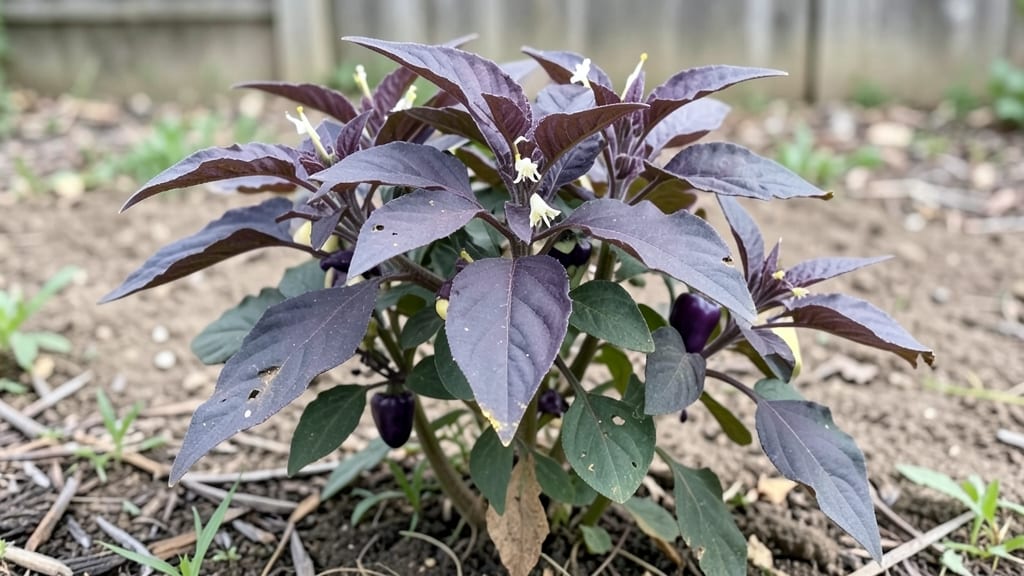
Growing a purple leaf pepper plant means adding a splash of deep purple to your garden that doubles as a productive edible. ✨ The striking foliage makes it a standout in containers, while the mild peppers reward you with harvests—all from the same plant.
I’ve grown these for years, and they’ve never let me down, even in small spaces.
The secret to their success is simple: bright sunlight, well-draining soil, and consistent moisture without soggy roots. They thrive in pots as small as 12 inches wide, making them perfect for balconies or patios.
Feed them lightly with balanced fertilizer every 4-6 weeks, and you’ll see those vibrant leaves stay lush all season long.
By midsummer, you’ll be snipping fresh peppers for cooking or admiring the foliage as a natural accent plant. The peppers themselves are mild and sweet, but the real showstopper is how the leaves turn even more intense purple when stressed—like a built-in drought indicator.
Works equally well in garden beds or containers, and they’re tough enough to handle a little neglect. Here’s how to keep them thriving without the fuss.
📚 In This Guide
- What you need
- Instructions
- Tips and common mistakes
- Wrapping up and next steps
What you need
- ● Purple Leaf Pepper Plant: 1 healthy seedling or mature plant (check local nurseries or online seed stores for Capsicum annuum varieties like 'Purple Flash' or 'Purple Beauty').
- ● Containers: 1-2 5-10 gallon pots (ensure they have drainage holes).
- ○ Optional: Self-watering containers for convenience.
- ● Potting Mix: 1 bag well-draining, organic potting soil (mix with perlite or vermiculite for aeration).
- ● Fertilizer: Balanced 10-10-10 or 20-20-20 liquid fertilizer (follow label instructions for dilution).
- ● Watering Can or Hose: With a gentle spray nozzle to avoid disturbing the soil.
- ● Sunlight Access: Full sun exposure (6-8 hours of direct sunlight daily).
- ● Pruning Shears: For trimming leggy growth or dead leaves.
- ● Gloves: To protect hands from spicy peppers (if harvesting).
- ● Support Stakes or Trellis: If your pepper plant grows tall (6+ feet).
- ● Mulch: Straw or shredded leaves to retain moisture.
- ● pH Test Kit: To monitor soil acidity (ideal range: 6.0-6.8).
- ● Insecticidal Soap: For pest control (e.g., aphids or spider mites).
- ● Grow Lights: If indoor growing (LED full-spectrum lights, 12+ hours/day).
- ● 🌡️ Temperature: Keep soil temps above 60°F (15°C) for optimal growth.
- ● ✨ Container Depth: Deeper pots (12+ inches) encourage stronger root systems.
- ● 💧 Watering: Water at the base—avoid wetting leaves to prevent disease.
Step-by-step guide to growing a thriving purple leaf pepper plant in containers
Here’s how to cultivate that stunning purple foliage—even in limited space.
🌱 Step 1: Select the Right Container and Soil Mix
Start with a 5-7 gallon container—purple leaf peppers need room for strong roots. Choose one with drainage holes to prevent soggy soil, which can rot their delicate roots. I like terra cotta pots because they wick away excess moisture naturally.
Fill the container with well-draining potting mix—avoid garden soil, which compacts and suffocates roots. Mix in 20% perlite or coarse sand to improve aeration. The soil should feel light yet hold moisture when squeezed, like a damp sponge. This balance keeps roots healthy without waterlogging.
☀️ Step 2: Choose a Sunny Spot and Plant Your Seedling
Purple leaf peppers crave full sun (6-8 hours daily)—place your container where it gets morning light and afternoon shade if temperatures exceed 90°F. South-facing windows or balconies work best. If indoors, supplement with a grow light kept 6-12 inches above the plant.
Dig a hole twice as wide as the root ball and place your seedling so the top of the roots sits just below soil level. Gently press soil around the roots to eliminate air pockets. Water deeply until moisture drains from the bottom holes—this settles the soil and removes bubbles that could strangle roots.
💧 Step 3: Water Consistently Without Overdoing It
Keep the soil evenly moist but never soggy—stick your finger 1 inch deep into the soil. If it feels dry, water until liquid runs from the drainage holes. Purple leaf peppers hate "wet feet," so empty saucers after watering to prevent root rot. I water mine every 2-3 days in summer, adjusting for heat or rain.
Mist the leaves occasionally to boost humidity, especially in dry climates. This mimics their native tropical conditions and keeps foliage vibrant. Avoid wetting leaves in hot sun—it causes unsightly brown spots. Early morning misting works best.
✂️ Step 4: Prune and Fertilize for Lush Growth
Pinch off the first few flower buds if you want bushier foliage—pepper plants focus energy on leaves first. Use clean pruning shears to trim leggy stems back by ⅓ in early spring. This encourages compact growth and prevents floppy branches. Always sterilize shears with rubbing alcohol between cuts to prevent disease.
Feed your plant every 4-6 weeks with a balanced liquid fertilizer (10-10-10). Purple leaf peppers respond well to organic options like fish emulsion or compost tea. Stop fertilizing 6 weeks before harvest—you want flavor, not leafy growth. Watch for dark green, healthy leaves as your signal the plant is thriving.
🪴 Step 5: Protect and Harvest for Year-Round Color
Bring containers indoors before first frost or shield them with frost cloth if you live in a mild zone. Purple leaf peppers tolerate 50-85°F but struggle in cold snaps. In winter, reduce watering to once a week and keep them near a sunny window or under grow lights.
Harvest peppers when they reach 3-4 inches long for best flavor. Use pruning shears to cut stems cleanly, leaving ¼ inch above the next leaf. This encourages more fruit while keeping the plant compact. The vibrant purple leaves will stay stunning all season if you keep up with care—no need for fancy tricks, just consistency.
Tips & tricks for perfect purple leaf pepper plant care
These simple strategies will help you keep your purple leaf pepper plant thriving with vibrant foliage all season long.
Container Size Matters: The 5-7 gallon container recommendation isn't just about roots—it's about stability. Larger containers hold moisture better during summer's 2-3 day watering cycle, while smaller ones dry out too quickly. If you're using a smaller pot, check soil moisture daily rather than every 2-3 days. Terra cotta is ideal because it breathes, but plastic containers work too if you monitor moisture more closely.
Lighting Strategy: Those crucial 6-8 hours of sunlight don't have to be direct all day. In hot climates where temperatures exceed 90°F, morning sun followed by afternoon shade actually protects your plant from heat stress. If growing indoors, position your plant within 12 inches of a grow light for 8 hours daily to mimic natural sunlight patterns.
Soil Mix Secrets: The 20% perlite or coarse sand isn't just for drainage—it's about creating air pockets that prevent root rot. I like adding a handful of worm castings to the mix too; they provide gentle, slow-release nutrients that keep your plant healthy between fertilizing sessions. The soil should crumble easily when dry but still hold shape when moist.
Pruning Timing: The early spring pruning recommendation is perfect for encouraging new growth, but don't stop there. Throughout the season, trim any yellow or damaged leaves immediately to redirect the plant's energy to healthy foliage. Sterilizing your pruning shears between cuts is especially important with pepper plants—they're prone to bacterial infections through open wounds.
Pro Tips for Purple Leaf Pepper Plant
- These simple strategies will help you keep your purple leaf pepper plant thriving with vibrant foliage all season long.
- Container Size Matters: The 5-7 gallon container recommendation isn't just about roots—it's about stability.
- Lighting Strategy: Those crucial 6-8 hours of sunlight don't have to be direct all day.
Frequently asked questions
Got questions about growing and caring for your purple leaf pepper plant? You’re not alone! Here are answers to some of the most common queries to help you cultivate vibrant, container-friendly peppers with ease.
How often should I water my purple leaf pepper plant?
Water your plant when the top 1-2 inches of soil feel dry to the touch. Purple leaf peppers prefer consistent moisture but hate soggy roots—aim for about 1 inch of water per week, adjusting for heat or humidity. Containers dry out faster, so check daily in summer. Pro tip: Use a self-watering pot or mulch to retain moisture!
When will my purple leaf pepper plant produce fruit?
With proper care, expect first peppers 80–100 days after transplanting (varies by variety). Purple leaf peppers may take slightly longer due to their ornamental focus, but warm temperatures (70–85°F) and full sun speed things up. Patience is key! Prune early for bushier growth and more fruit.
Can I grow purple leaf peppers in small containers?
These peppers thrive in 5-gallon containers or larger with good drainage. Use a lightweight potting mix rich in compost, and repot if roots outgrow the space. Dwarf varieties (like ‘Purple Flash’) are perfect for balconies or patios. Just ensure they get 6+ hours of sun daily!
What pests should I watch for, and how do I treat them?
Common pests include aphids, spider mites, and whiteflies. Start with a strong spray of water to dislodge them, then use neem oil or insecticidal soap for stubborn infestations. Prevent issues by keeping plants healthy, removing debris, and introducing beneficial insects like ladybugs.
Are purple leaf peppers spicier than regular peppers?
Not necessarily! The purple hue comes from anthocyanins (same as blueberries), not heat. Flavor and spice depend on the variety—some, like ‘Purple Beauty,’ are mild, while others (e.g., ‘Purple Habanero’) pack a punch. Taste test as they ripen! Harvest green for milder peppers or let them turn red/purple for full flavor.
Wrapping up and next steps
The purple leaf pepper plant is a stunning and rewarding addition to any container garden, offering both beauty and flavor! With its striking foliage and low-maintenance care, it’s perfect for beginners and seasoned gardeners alike.
Whether you’re growing it for its vibrant leaves, spicy peppers, or both, this plant proves that growing thrives in small spaces.
Ready to bring some purple magic to your balcony or patio? Start by gathering your supplies, choosing the right container, and giving your plant the love it deserves. Happy planting—and enjoy the harvest! 🌱✨