
Companion Plants
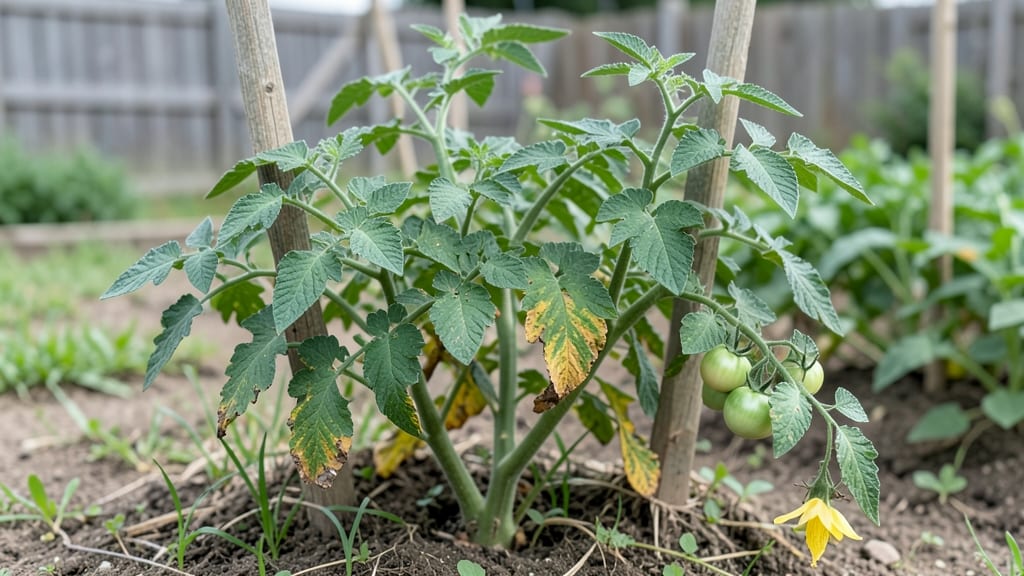
Raising tomato plants from seed transforms a small corner of your yard into a summer-long salad bar. 🌱 I learned the hard way—my first batch of seedlings stretched like overcaffeinated teenagers because I ignored light requirements. Now, I’ve got a foolproof system that turns flimsy sprouts into sturdy, fruit-loaded vines.
The secret starts with sunlight—tomatoes need at least 6-8 hours daily, but more is better for those thick, juicy fruits. Pair that with well-draining soil (think crumbly, not clay-heavy) and a sturdy cage or trellis, and you’re already ahead of 90% of gardeners.
Even in containers, tomatoes thrive if you match their needs to your space.
By mid-summer, you’ll be harvesting red, glossy tomatoes that burst with flavor straight off the vine. The best part? One healthy plant can produce 20+ pounds of fruit—enough to share with neighbors or freeze for winter. Prune regularly to focus energy on fruit, not leaves, and watch your harvest explode.
Works for both backyard plots and balcony pots—just adjust support and spacing. Here’s how to skip the common pitfalls and grow tomatoes that make your neighbors green with envy.
📚 In This Guide
- What you need
- Instructions
- Tips and common mistakes
- Wrapping up and next steps
What you need
- ● Tomato seeds or seedlings: Choose heirloom, hybrid, or disease-resistant varieties (e.g., Cherry, Beefsteak, or Roma). Buy 10–20 seeds or 3–6 healthy seedlings.
- ● Containers or garden beds: Containers: 5-gallon pots or larger (1 plant per container) with drainage holes.
- ● Garden beds: Well-draining soil in a sunny spot (6+ hours of sunlight daily).
- ● High-quality potting mix: 1–2 bags of organic, peat-free mix (e.g., Miracle-Gro or Fox Farm). Avoid garden soil—it’s too dense!
- ● Fertilizer: Balanced organic fertilizer (10-10-10) or tomato-specific feed (e.g., Espoma Tomato-Tone). Start with 1–2 tbsp per plant.
- ● Watering can or hose: With a gentle spray nozzle to avoid damaging seedlings.
- ● Mulch: Straw or shredded leaves (1–2 inches thick) to retain moisture and suppress weeds.
- ● Gloves & knee pads: For comfortable planting and weeding.
- ● Pruning shears: Sharp, clean pair for trimming suckers and dead leaves.
- ● Stakes or cages: 6–8 ft tall (for indeterminate varieties) or 4–5 ft (determinate). Use 2–3 stakes per plant for support.
- ○ Trellis or netting (optional): For vertical growth in small spaces.
- ● pH test kit: To check soil acidity (ideal range: 6.0–6.8). Adjust with lime or sulfur if needed.
- ○ Companion plants (optional): Basil, marigolds, or borage to deter pests and boost growth.
Step-by-step instructions for raising tomato plants
Here's how I transform tiny seedlings into robust, fruit-bearing tomato plants ready for your garden.
🌱 Step 1: Start Seeds Indoors at the Right Time
Tomatoes need warmth to germinate, so I begin seeds indoors 6-8 weeks before the last frost date. Fill 2-3 inch deep biodegradable pots with sterile seed-starting mix—never garden soil, as it can harbor diseases. Moisten the mix until it's damp but not soggy, then press it down lightly to remove air pockets.
Plant 2-3 seeds per pot at a depth of ¼ inch, which is roughly the diameter of a tomato seed. Cover lightly with additional mix and mist the surface until evenly moist. Place the pots in a warm spot (75-85°F)—a seedling heat mat speeds up germination dramatically. Expect sprouts in 5-10 days, but don't be surprised if it takes a few extra days in cooler homes.
☀️ Step 2: Provide Light and Prevent Leggy Growth
The moment those first green sprouts appear, move them to bright light for 14-16 hours daily. A south-facing window rarely provides enough intensity, so I use a full-spectrum LED grow light positioned 2-4 inches above the seedlings. Raise the light as they grow to maintain that distance—this prevents seedlings from stretching toward the light, which weakens their stems.
Leggy seedlings (thin, pale stems with leaves spaced far apart) signal insufficient light. If you notice this, move the light closer immediately. Strong seedlings have thick stems, deep green leaves, and compact spacing between nodes. Rotate the pots quarter-turn daily so plants grow straight instead of leaning.
⏰ Step 3: Harden Off Seedlings Before Transplanting
Two weeks before your last frost, start hardening off seedlings by placing them outside in a sheltered, shaded spot for 1-2 hours the first day. Gradually increase outdoor time by 1 hour daily over 10-14 days, slowly introducing more sun and wind. This toughens their cell walls and prepares them for the garden.
Skipping this step burns leaves, breaks stems, and shocks plants severely. On the final day, leave them out all day if temperatures stay above 50°F. Transplant on an overcast afternoon to reduce stress, and water deeply at the base to settle the soil around roots.
🪴 Step 4: Transplant and Support for Maximum Growth
Choose a sunny spot with at least 6-8 hours of direct light daily—tomatoes are sun-worshippers. Bury the stem deeply (up to the first set of leaves) to encourage strong root growth. Space plants 18-24 inches apart in rows 3-4 feet apart to allow airflow, which prevents fungal diseases.
Install stakes or cages at transplant time to avoid damaging roots later. I use 6-foot bamboo stakes for indeterminate varieties, which grow continuously. Water deeply after planting to eliminate air pockets in the soil, and mulch with 2-3 inches of organic mulch to retain moisture and suppress weeds. Avoid wetting leaves when watering to prevent disease.
💧 Step 5: Maintain Through the Season
Tomatoes need 1-2 inches of water weekly, delivered at the soil level to avoid fungal issues. Water in the early morning so foliage dries quickly. Fertilize every 2-3 weeks with a balanced, water-soluble fertilizer (10-10-10) once flowers appear, following label rates. Prune suckers (the small shoots that form in the joint between the stem and a branch) to direct energy to fruit production.
Watch for first true flowers—this signals the plant is ready to set fruit. If temperatures dip below 55°F, cover plants with frost cloth to protect blossoms. Remove any leaves touching the soil to improve airflow and reduce disease risk. You'll know you're on the right track when the plant grows 4-6 inches per week and produces steady new leaves.
Tips & tricks for perfect tomato plant growth
A few strategic moves can transform your seedlings from fragile sprouts into thriving tomato plants loaded with fruit. Here's what nobody tells you about growing tomatoes like a pro.
Germination Conditions: The 75-85°F warmth range is non-negotiable for germination. I use a seedling heat mat under my trays, but if you don't have one, place pots on top of your refrigerator or near a sunny window with indirect heat. Remember, cooler homes may take those 5-10 days to push through soil—patience pays off here.
Lighting Strategy: Those 14-16 hours of daily light are critical for preventing leggy seedlings. I position my LED grow light on a timer to automatically turn on at 6am and off at 8pm, ensuring consistent light exposure. If using natural light, supplement with a shop light if your seedlings start stretching toward the window.
Harden Off Gradually: The 1-2 hour daily increments during hardening off are essential for acclimating plants. I start with morning sun only, then gradually introduce afternoon sun over the 10-14 day period. Watch for wilting during the first few hours—this is normal as plants adjust to outdoor conditions.
Transplanting Technique: Burying stems deeply up to the first set of leaves encourages strong root development. I make a small trench when planting to ensure the stem sits vertically rather than leaning. This simple adjustment can double your root mass and plant vigor.
Pro Tips for Raising Tomato Plants
- A few strategic moves can transform your seedlings from fragile sprouts into thriving tomato plants loaded with fruit.
- Germination Conditions: The 75-85°F warmth range is non-negotiable for germination.
- Lighting Strategy: Those 14-16 hours of daily light are critical for preventing leggy seedlings.
Frequently asked questions
Got questions about growing juicy, homegrown tomatoes? You’re not alone! Here are answers to the most common queries from gardeners just like you—whether you're a beginner or looking to level up your green thumb.
How long does it take for tomato plants to produce fruit?
Most tomato varieties take 60 to 85 days from transplanting to harvest, depending on the type (determinate vs. indeterminate). Indeterminate varieties (like cherry tomatoes) can keep producing all season if pruned and supported properly. Patience pays off—imagine plucking your first ripe tomato in late summer!
Can I grow tomatoes in containers? What’s the best setup?
Tomatoes thrive in containers as long as the pot is at least 5 gallons (bigger is better for larger varieties). Use well-draining soil, provide 6+ hours of sunlight daily, and opt for dwarf or bush varieties (like 'Tiny Tim' or 'Patio Princess') for smaller spaces. Add a trellis or cage to support vining types.
What are the most common tomato plant pests, and how do I prevent them?
Watch out for hornworms (green caterpillars that devour leaves), aphids (tiny clusters on stems), and blossom end rot (caused by calcium deficiency, not a pest!). Prevention tips:
- Handpick pests early in the morning.
- Use neem oil or insecticidal soap for aphids.
- Mulch to retain moisture and add crushed eggshells for calcium.
- Rotate crops yearly to disrupt pest cycles.
When is the best time to transplant tomato seedlings outdoors?
Wait until after the last frost when soil temps are consistently 55°F+ (use a soil thermometer if unsure). For most regions, this is late spring (April–June). Harden off seedlings 7–10 days beforehand by gradually exposing them to outdoor conditions. Plant in the afternoon to reduce transplant shock.
What are the best companion plants for tomatoes to boost growth?
Tomatoes love teamwork! Pair them with:
- Basil (repels pests and improves flavor).
- Marigolds (deter nematodes).
- Onions/garlic (fight fungal diseases).
- Avoid planting near potatoes or fennel—they compete for nutrients or stunt growth.
Why are my tomato leaves turning yellow? Is it a big problem?
Yellow leaves usually signal overwatering, underwatering, or nutrient deficiencies (like nitrogen or magnesium). Check the soil—it should be moist but not soggy. If lower leaves yellow first, it’s often normal aging. For upper leaves, adjust watering or add compost/fertilizer. Pro tip: Test soil pH (aim for 6.0–6.8) and avoid wetting leaves to prevent disease.
Wrapping up and next steps
Raising tomato plants is a rewarding journey that combines patience, care, and a little bit of sunshine! 🌞 With the right companion plants, proper spacing, and consistent attention, you’ll soon be enjoying homegrown tomatoes that taste fresher and sweeter than anything store-bought. Don’t let a few challenges discourage you—every gardener starts somewhere!
Now that you’re armed with expert tips, it’s time to roll up your sleeves and get growing! Start by planting your seeds or seedlings this season, and soon you’ll be harvesting juicy, vine-ripened tomatoes. Happy gardening! 🌱