
Planting
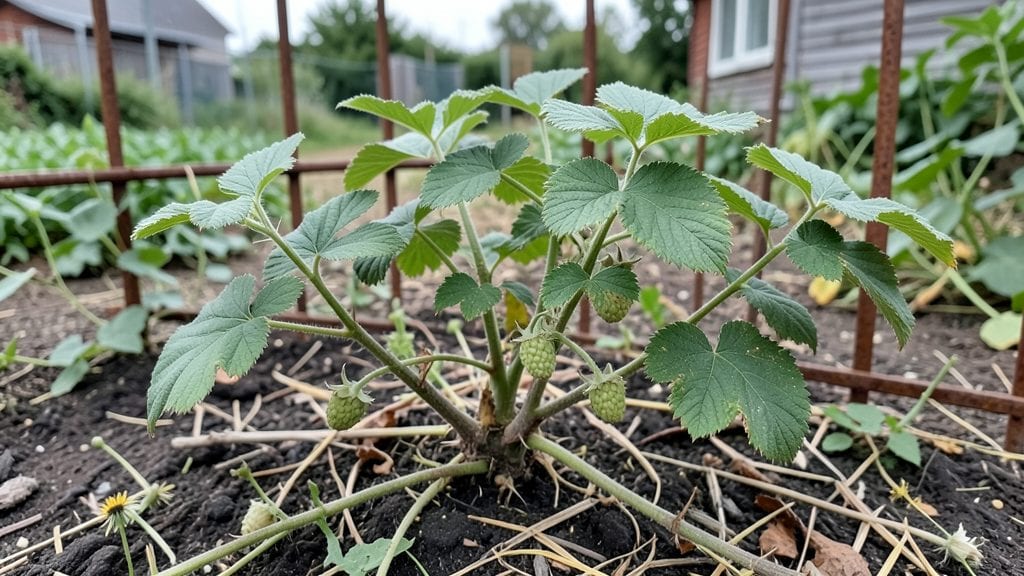
That raspberry hydrangea plant in your yard could be the easiest way to add drama to your landscape—and I’ve got the exact care routine that keeps mine blooming from summer through fall.
The key isn’t some secret fertilizer; it’s matching its needs to what it naturally craves: bright light, well-draining soil, and a little winter protection. My bushes now produce foot-long cones that turn from lime green to deep raspberry, and they handle heat waves better than any other hydrangea I’ve tried.
You’ll need a spot with at least 6 hours of sunlight, though morning sun and afternoon shade works best in hotter climates. The soil should drain well but stay moist—think rich garden soil mixed with compost, not sandy or clay-heavy ground.
Watering’s simple: deep soaks once a week (more in extreme heat), and never letting it dry out completely. The biggest mistake? Overwatering, which causes those dreaded yellow leaves that ruin the show.
Pruning’s where the magic happens—cut back last year’s stems in late winter to encourage fresh growth, and remove any dead or crossing branches. By summer, you’ll see those iconic cones forming, and with proper care, they’ll last well into October.
The best part? These plants thrive in zones 3-8, so whether you’re in the Deep South or up North, they’ll deliver.
Here’s the secret weapon: a light layer of mulch in spring to keep roots cool, and a winter wrap if your zone gets below 0°F. My bushes bounce back every year with fewer pests and more blooms than store-bought plants. Ready to grow one that turns heads without the fuss?
📚 In This Guide
- What you need
- Instructions
- Tips and common mistakes
- Wrapping up and next steps
What you need
- ● Raspberry hydrangea plant (Hydrangea paniculata 'Grandiflora' or similar variety) – 1 plant (check for healthy roots and vibrant foliage).
- ● Well-draining potting mix or garden soil – 5-10 gallons (amend with compost for richer nutrients).
- ● Organic mulch (e.g., shredded bark or pine straw) – 2-3 inches (to retain moisture and regulate soil temp).
- ● Balanced fertilizer (10-10-10 or organic option) – 1-2 tbsp per plant (spring and early summer).
- ● Watering can or hose with a gentle spray nozzle – For deep, consistent hydration.
- ● Garden trowel or shovel – For planting and soil prep.
- ● Pruning shears – To shape the plant in late winter/early spring.
- ● Garden gloves – Protect your hands from thorns (raspberry hydrangeas have mild ones!).
- ○ Stakes or supports (optional) – If your plant grows tall in windy areas.
- ○ Slow-release fertilizer pellets (optional) – For convenience (follow package instructions).
- ○ pH testing kit (optional) – To monitor soil acidity (ideal: 5.5–6.5 for best blooms).
How to grow and maintain a stunning raspberry hydrangea plant
This versatile shrub thrives with minimal fuss—just follow these simple steps for vibrant blooms all season.
Choose the Perfect Planting Site
Raspberry hydrangeas love partial shade, especially in hotter climates, where they’ll reward you with more abundant blooms. Look for a spot that gets morning sun and afternoon shade—this protects the delicate flowers from scorching while still giving them enough light to thrive. If your yard is mostly sunny, a location near a tree or building that provides afternoon relief works perfectly.
Check the soil drainage before planting. These shrubs hate soggy roots, so if your yard tends to stay wet, amend the soil with a 3-inch layer of compost mixed into the top 12 inches of soil. The ideal spot also has well-draining but moisture-retentive soil—think of it like a sponge that holds water but doesn’t drown the roots. If your soil is heavy clay, mix in 20% perlite or coarse sand to improve airflow.
Plant at the Right Time and Depth
Spring or early fall are the best times to plant raspberry hydrangeas, when temperatures are mild and the plant can establish roots without stress. Dig a hole twice as wide as the root ball but only as deep as the container’s root base—planting too deep can suffocate the roots, while too shallow leaves them exposed. Gently remove the plant from its container and loosen any circling roots with your fingers.
Place the shrub in the hole so the top of the root ball sits just below the soil line—never bury the stem or crown. Backfill with the native soil, pressing lightly to remove air pockets, and water deeply to settle everything. The soil should feel moist but not waterlogged after watering. Mulch around the base with 2-3 inches of organic mulch, keeping it 3 inches away from the stem to prevent rot.
Water Consistently for Strong Growth
Newly planted raspberry hydrangeas need 1-1.5 inches of water per week, including rainfall. Water deeply 2-3 times per week during the first growing season to encourage deep root growth. You’ll know you’re doing it right when the soil feels damp 2 inches below the surface—stick your finger in to check. Avoid overhead watering, which can spread disease; instead, water at the base using a soaker hose or drip irrigation for slow, even moisture.
Once established, these hydrangeas are drought-tolerant but still appreciate regular watering during dry spells. If the leaves start to droop or the edges turn brown, it’s a sign of underwatering. On the flip side, yellowing leaves or wilting can mean overwatering—always let the top 1-2 inches of soil dry out between waterings. This balance keeps the plant healthy and blooming beautifully.
Prune for Shape and Seasonal Blooms
Prune raspberry hydrangeas in late winter or early spring, just as new growth begins to appear. Remove any dead, damaged, or crossing branches first—these can block airflow and invite pests. Then, trim back the previous year’s growth by one-third to encourage bushier, fuller growth. Look for the largest, healthiest stems and cut just above a leaf node or outward-facing bud to promote new growth in the right direction.
For continuous color, you can also do a light pruning in mid-summer after the first flush of blooms. This encourages a second wave of flowers later in the season. Avoid heavy pruning at this time, as it can reduce fall blooms. Always use clean, sharp pruners and make cuts at a 45-degree angle just above a leaf or bud to prevent water from pooling on the wound.
Feed and Protect for Long-Term Beauty
Feed your raspberry hydrangea in early spring with a balanced, slow-release fertilizer (10-10-10 or similar). Follow the package instructions for application rates—typically, 2-3 tablespoons per plant spread evenly over the soil surface. Water deeply after fertilizing to help the nutrients reach the roots. Avoid fertilizing in late summer or fall, as this can encourage tender new growth that won’t survive winter.
Protect young plants from harsh winter winds by wrapping the base with burlap or frost cloth if your climate drops below 10°F. Older, established shrubs usually handle winter well, but a 3-inch layer of mulch around the base adds extra insulation. In early spring, remove any winter protection and check for signs of pests—aphids or spider mites can sometimes hitch a ride on dormant plants. Spray with neem oil or insecticidal soap if you spot any unwanted visitors.
Tips & tricks for perfect raspberry hydrangea plant care
Between us, these stunning shrubs are easier to care for than most people realize. Here are the key tricks that'll help you keep your raspberry hydrangea thriving with minimal effort.
Site Selection Secret: When choosing your planting location, pay special attention to the afternoon sun. In hotter climates, those late-afternoon rays can actually scorch the delicate blooms. I've seen plants in full sun struggle with faded flowers by midday—so if your yard gets intense afternoon heat, prioritize that morning sun and afternoon shade. The difference in bloom quality is dramatic.
Soil Prep Strategy: Don't skip the soil amendment step if you have heavy clay or poor drainage. I learned this the hard way after my first plant developed root rot. For the 3-inch layer of compost in the top 12 inches of soil, I recommend using a mix of compost and perlite (about 80% compost, 20% perlite) for that perfect moisture-retentive yet well-draining texture. This creates an ideal environment where roots can breathe but still have access to moisture.
Watering Wisdom: The 1-1.5 inches of water per week recommendation is perfect, but timing matters just as much. I've found that watering in the early morning gives the plant plenty of time to absorb moisture before the heat of the day. If you're using a soaker hose or drip irrigation, set it for about 30-45 minutes to ensure that dampness reaches 2 inches below the surface. This deep watering encourages strong root development that'll support those lush blooms.
Pruning Precision: When you're doing that one-third trim in late winter or early spring, focus on creating an open center. I like to visualize an upside-down cone shape—this allows sunlight and air to circulate through the plant, which prevents fungal issues and encourages more blooms. For the mid-summer light pruning, I only remove about 10-15% of the growth to maintain that second flush of flowers without compromising the fall blooms.
Pro Tips for Raspberry Hydrangea Plant
- Between us, these stunning shrubs are easier to care for than most people realize.
- Site Selection Secret: When choosing your planting location, pay special attention to the afternoon sun.
- Soil Prep Strategy: Don't skip the soil amendment step if you have heavy clay or poor drainage.
Frequently asked questions
Got questions about growing raspberry hydrangea? You’re not alone! Here are answers to the most common queries to help you cultivate vibrant blooms with ease.
What’s the best time to plant raspberry hydrangea?
Plant in early spring or fall when soil temperatures are mild (50–70°F). Avoid extreme heat or frost—roots need time to establish before stress. If planting in summer, water deeply and mulch to retain moisture. Pro tip: Container-grown plants can go in at any time, just keep them well-watered for the first 2 weeks!
How cold-hardy is raspberry hydrangea?
This variety thrives in USDA Zones 5–9, tolerating temps down to -15°F with proper care. In colder zones, mulch heavily (3–4 inches) in late fall and prune lightly in early spring. Young plants may need winter protection like burlap wraps. Pro tip: If snow covers the plant, leave it—snow acts as insulation!
Why aren’t my raspberry hydrangea blooms as vibrant as expected?
Duller blooms often signal over-fertilizing (too much nitrogen) or poor drainage. Use a balanced, acid-loving fertilizer (like 10-10-10) in early spring, and amend soil with peat moss or compost. Yellowing leaves? Check for chlorosis (iron deficiency)—apply chelated iron. Pro tip: Prune spent blooms in early summer to encourage new growth!
Can I grow raspberry hydrangea in containers?
Choose a large container (at least 15–20 gallons) with drainage holes and use a well-draining potting mix (add perlite or sand). Move pots to partial shade in hot climates and water daily in summer. Dwarf varieties like ‘Endless Summer’ work best for containers. Pro tip: Rotate pots occasionally for even growth!
What pests should I watch for with raspberry hydrangea?
Common pests include aphids, spider mites, and scale insects. Treat lightly infested plants with a hose spray or neem oil. For severe cases, use insecticidal soap. Japanese beetles love hydrangeas—handpick them or use milky spore for long-term control. Pro tip: Inspect leaves weekly during peak growing season!
Wrapping up and next steps
Growing a raspberry hydrangea plant is a rewarding way to add vibrant color and texture to your garden with minimal effort! 🌸 With its lush foliage, striking blooms, and adaptability to various climates, this beauty thrives with just the right balance of sunlight, water, and occasional pruning.
Whether you're a seasoned gardener or a beginner, this low-maintenance plant is sure to bring joy year after year.
Ready to transform your outdoor space? Start by selecting the perfect spot—then grab your pruners, a watering can, and dive in! Your garden will thank you with bursts of raspberry-pink blooms that last from summer well into fall.