
Planting
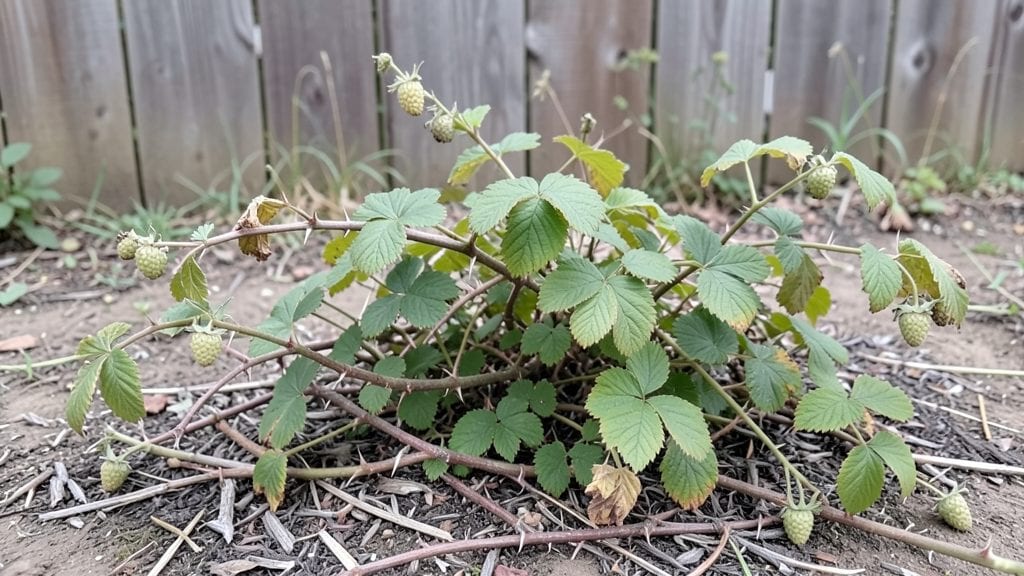
Raspberry plant problems can turn your thriving patch into a sad, yellowing mess in no time—unless you know the fast fixes. 🌿 I’ve diagnosed everything from mysterious leaf spots to wilted canes, and the solutions are simpler than you’d think.
Most issues come down to three things: water, pests, or the wrong soil conditions. Once you spot the red flags (literally or not), you can act before the problem spreads.
The good news? Most raspberry issues have quick, organic solutions you can tackle in under an hour. Yellow leaves? Often just iron deficiency or overwatering. Black spots on fruit? That’s likely a fungal infection, but pruning and copper spray can stop it fast.
And don’t panic if your canes look scraggly—proper pruning in late winter revives them every time. The key is catching problems early, before they turn into full-blown disasters.
By the end of this, you’ll recognize the five most common raspberry red flags and know exactly how to treat them—no guesswork, no wasted time. Your plants will bounce back faster than you’d expect, and you’ll save money by avoiding unnecessary replacements. Let’s get those berries back on track.
Whether you’re dealing with pests, disease, or just poor growth, these fixes work for both summer-bearing and fall-bearing varieties. The same principles apply whether you’re growing in rows, containers, or a small backyard patch. Ready to turn things around?
Root Causes of Raspberry Struggles
Raspberry plants are resilient, but even they face challenges when growing conditions stray from their ideal environment. Understanding the why behind common raspberry plant problems is the first step to restoring health and productivity.
Below, we break down the science behind the most frequent issues—from fungal infections to stunted growth—so you can address them with precision.
Raspberries thrive in well-drained soil, and excess moisture creates the perfect breeding ground for root rot and fungal diseases like Phytophthora. Here’s why it happens:
- Waterlogged soil: Raspberries prefer slightly acidic, loamy soil with a pH of 5.5–6.5. If your soil is heavy clay or compacted, water pools around roots instead of draining away, suffocating them and inviting pathogens.
- Overhead watering: Wet foliage for prolonged periods (especially in humid climates) encourages Botrytis cinerea (gray mold) and Didymella applanata (fruit rot).
- Improper mulching: Thick layers of organic mulch (like grass clippings) can trap moisture against the crown, leading to rot.
💡 Pro Tip: Test your soil’s drainage by digging a 12-inch hole, filling it with water, and timing how long it takes to drain. If it takes more than 6 hours, amend with perlite or coarse sand.
Raspberries are sun-loving plants, but too much or too little sunlight—and extreme temperatures—can trigger stress responses like yellowing leaves, poor fruiting, or even plant death.
| Issue | Why It Happens | Scientific Trigger |
|---|---|---|
| Leaf scorch (brown edges) | Insufficient water uptake due to high heat or drought. | Transpiration exceeds root absorption, causing oxidative stress in leaf cells. |
| Stunted growth | Low light reduces photosynthesis, limiting energy for new canes. | Chlorophyll production drops in <6 hours of sunlight/day, stalling growth hormones. |
| Fruit sunburn | Direct midday sun (especially in hot climates) cooks exposed berries. | Cell membranes rupture from temperatures >90°F (32°C), causing necrosis. |
🌡️ Fix: Provide dappled shade (e.g., 50% shade cloth) in peak afternoon sun or plant in a location with morning sun and afternoon shade.
Raspberries are a buffet for pests and pathogens, but outbreaks often stem from environmental imbalances or weak plant defenses. Here’s the breakdown:
- Japanese beetles & spider mites: These pests thrive in dry, hot conditions because they dehydrate plants, making them easier to penetrate. Beetles feed on leaf tissue, while mites suck sap, both weakening the plant’s immune response.
- Cane borers: Larvae invade stressed canes—often those with physical damage (e.g., from hail or improper pruning) or nutrient deficiencies (low nitrogen or potassium).
- Fungal diseases (e.g., rust, powdery mildew): High humidity (>75%) + poor airflow = fungal spores germinate and spread. Puccinia (rust) spores, for example, require free water on leaf surfaces to infect.
🔍 Key Insight: Healthy raspberry plants with strong canes and balanced nutrients (especially phosphorus and potassium) resist pests better. Test soil annually to ensure NPK ratios are optimal (e.g., 10-10-10 fertilizer).
Raspberries are heavy feeders, and deficiencies show up as telltale symptoms. The most common issues stem from:
- Nitrogen (N) deficiency:
- Why? Nitrogen fuels leafy growth. If soil is depleted (e.g., after repeated harvests) or pH is too high (>7.0), roots can’t absorb it.
- Signs: Pale yellow leaves (chlorosis) on younger growth, stunted canes.
- Magnesium (Mg) deficiency:
- Why? Cool, wet soils (common in spring) lock out magnesium, even if it’s present. Raspberries also compete with weeds for nutrients.
- Signs: Interveinal chlorosis (yellowing between veins) on older leaves.
- Potassium (K) deficiency:
- Why? Potassium regulates water and disease resistance. Sandy soils or over-fertilization with nitrogen (without K) throws off the balance.
- Signs: Weak canes, small fruit, and brown leaf edges (similar to drought stress).
📊 Soil Test Tip: Send a sample to your local extension office—raspberries need 1.5–2 lbs of nitrogen per 100 sq ft annually. Use a balanced fertilizer (e.g., 5-10-10) in early spring and a potassium-rich supplement (like greensand) before fruiting.
Sometimes, raspberry problems boil down to human error. Common oversights include:
- Improper pruning:
- Why? Pruning at the wrong time (e.g., cutting back floricanes in fall instead of winter) removes next year’s fruit buds. Over-pruning also stresses the plant.
- Result: Fewer berries, weak canes, or dieback.
- Planting too close together:
- Why? Raspberries need 2–3 feet between canes for airflow. Crowding creates humidity pockets, inviting diseases like Botrytis.
- Ignoring winter protection:
- Why? Raspberry canes are semi-hardy (USDA zones 5–9). In cold climates (<20°F/-7°C), unprotected canes suffer frost damage, reducing spring regrowth.
✨ Prevention: Prune in late winter (just before buds swell) and mulch with straw (not leaves) to insulate roots. Space plants according to variety (e.g., Heritage needs 3 ft; Boyne tolerates 2 ft).
Quick Fixes for Raspberry Plant Woes
Now that you’ve identified the root cause of your raspberry plant’s struggles, it’s time to roll up your sleeves and get to work! Whether your berries are shriveled, your leaves are yellowing, or pests are wreaking havoc, these practical, step-by-step solutions will help your plants bounce back—fast.
We’ve also included prevention tips to keep future problems at bay.
Cause: Yellowing leaves (often with brown spots) usually signal nutrient deficiencies (like nitrogen or magnesium) or fungal infections (e.g., rust or powdery mildew).
🔥 Step 1: Diagnose the Exact Issue
- Nutrient deficiency? Check the pattern:
- Yellowing between veins? Likely magnesium deficiency (chlorosis).
- Overall pale leaves? Could be nitrogen deficiency.
- Brown spots with yellow halos? Possible fungal disease (like rust or leaf spot).
- Disease? Look for powdery white residue (mildew) or orange pustules (rust).
🍳 Step 2: Treat Nutrient Deficiencies
- For magnesium deficiency (chlorosis):
- Apply Epsom salt (1 tablespoon per gallon of water) as a foliar spray or soil drench every 2 weeks.
- Mix 1 cup of compost or aged manure into the soil around the plant.
- For nitrogen deficiency (pale leaves):
- Use a balanced fertilizer (10-10-10) or fish emulsion (high in nitrogen).
- Top-dress with well-rotted compost to boost organic matter.
👨🍳 Step 3: Combat Fungal Diseases
- Prune infected leaves immediately with sterilized scissors (wipe with rubbing alcohol).
- Apply fungicide:
- Neem oil (1 tsp per quart of water + a drop of dish soap as an emulsifier) – spray every 7–10 days.
- Baking soda spray (1 tsp baking soda + 1 quart water + a few drops of soap) for powdery mildew.
- Improve airflow by thinning canes or pruning nearby plants.
🌡️ Prevention Tips
- Rotate crops every 3–4 years to prevent soil-borne diseases.
- Water at the base (avoid wetting leaves) to reduce fungal spores.
- Mulch with straw or wood chips to retain moisture and suppress fungi.
Cause: Tiny, hard, or shriveled raspberries often mean inconsistent watering or poor pollination (especially in greenhouses or cool climates).
💧 Step 1: Adjust Watering Practices
- Water deeply 1–2 times per week (1–1.5 inches per week), directly at the roots.
- Use drip irrigation or soaker hoses to keep soil evenly moist (avoid overhead watering).
- Mulch with straw to retain moisture and prevent stress.
🐝 Step 2: Boost Pollination
- Hand-pollinate by gently shaking canes to release pollen (especially in greenhouses).
- Plant bee-friendly flowers (like lavender or borage) nearby to attract pollinators.
- Avoid over-fertilizing with nitrogen—too much reduces flowering.
✨ Prevention Tips
- Monitor soil moisture with a finger test (top 1–2 inches should be slightly dry).
- Choose self-pollinating varieties (like ‘Heritage’ or ‘Boyne’) if pollinators are scarce.
- Harvest berries when fully ripe (slightly soft and deep red) to encourage new fruit set.
Cause: Sticky leaves, chewed foliage, or webbing mean sap-sucking pests are feasting on your plants.
🔪 Step 1: Manual Removal (For Small Infestations)
- Blast pests off with a strong spray of water (early morning works best).
- Handpick large pests (like Japanese beetles) and drop them in soapy water.
- Use a damp cloth to wipe off aphids from canes.
🍄 Step 2: Natural & Chemical Controls
- Insecticidal soap (1 tsp mild soap + 1 quart water) – spray every 3–5 days.
- Neem oil (1 tsp per quart water) – effective against mites, aphids, and beetles.
- Introduce beneficial insects:
- Ladybugs (eat aphids).
- Lacewings (devour mites and beetles).
- For severe cases: Use pyrethrin-based sprays (follow label instructions).
🎯 Prevention Tips
- Inspect plants weekly (especially undersides of leaves).
- Remove weeds (they harbor pests).
- Use reflective mulch (like aluminum foil) to deter beetles.
Cause: Lean, bent, or broken canes happen due to wind, poor pruning, or overgrowth.
🏗️ Step 1: Provide Physical Support
- Install a trellis or stakes (use T-posts or bamboo stakes tied with soft twine).
- Weave canes through a wire trellis (gently, to avoid snapping).
- Prune crowded canes to improve airflow and reduce weight.
⏰ Step 2: Prune for Health & Shape
- Remove dead or damaged canes at the base.
- Cut back overgrown canes to 3–4 feet tall in early spring.
- Thin out weak canes to 5–7 strong canes per plant for better fruiting.
💡 Prevention Tips
- Prune annually in late winter/early spring to encourage new growth.
- Stake young plants before they get too tall.
- Choose dwarf or semi-dwarf varieties (like ‘Caroline’ or ‘Dorman Red’) for easier management.
Cause: Few or no berries can mean temperature stress, improper pruning, or too much nitrogen.
🌡️ Step 1: Optimize Growing Conditions
- Ensure full sun (6–8 hours daily).
- Protect from late frosts (cover plants with frost cloth if needed).
- Avoid heavy nitrogen (use a low-nitrogen, high-phosphorus fertilizer like 5-10-10 in early spring).
🍓 Step 2: Encourage Flowering
- Prune correctly:
- Fruit-bearing canes (floricanes): Cut to the ground after harvest.
- Primocanes (new growth): Trim to 5–6 feet in late summer to promote flowering next year.
- Apply a bloom booster (like kelp meal or bone meal) in early spring.
🔄 Prevention Tips
- Plant in well-draining soil (raspberries hate soggy roots).
- Mulch with straw to regulate soil temperature.
- Choose the right variety (summer-bearing vs. everbearing) for your climate.
Final Pro Tip: 💡 Keep a plant journal! Note when you prune, fertilize, and water—this helps track what works (and what doesn’t) for your specific raspberry patch. Happy growing! 🌱
Frequently asked questions
Why are my raspberry leaves turning yellow with brown spots?
This is usually a sign of either a nutrient deficiency (like magnesium or nitrogen) or a fungal infection like rust or powdery mildew. Check for yellowing between veins (magnesium) or overall pale leaves (nitrogen). For fungal issues, look for white powder or orange pustules. Treat with neem oil or baking soda spray, and prune affected leaves immediately.
How do I prevent raspberry canes from breaking in windy conditions?
Install a trellis or sturdy stakes (bamboo or T-posts) tied with soft twine to support canes. Prune crowded canes to improve airflow and reduce weight. For young plants, stake them early before they get too tall. Dwarf varieties like 'Caroline' are also more wind-resistant than standard types.
What’s the best way to get rid of Japanese beetles on raspberry plants?
Start with manual removal: handpick beetles and drop them in soapy water. For larger infestations, use neem oil (1 tsp per quart of water) or insecticidal soap (1 tsp mild soap per quart). Introduce beneficial insects like ladybugs or lacewings, and use reflective mulch (like aluminum foil) to deter them. Apply treatments in early morning when beetles are most active.
Can I still save my raspberry plant if it has root rot?
Early-stage root rot can be treated by improving drainage: amend soil with perlite or coarse sand and reduce overhead watering. Remove any mulch trapping moisture against the crown. For severe cases, dig up the plant, trim away mushy roots, and replant in fresh, well-draining soil. Avoid watering until new growth appears. Prevention is key—test soil drainage before replanting.
Why aren’t my raspberries ripening properly?
This often happens due to inconsistent watering, poor pollination, or temperature stress. Water deeply 1–2 times per week at the roots, and mulch with straw to retain moisture. For pollination, shake canes gently to release pollen or plant bee-friendly flowers nearby. Ensure full sun (6–8 hours daily) and protect from late frosts with frost cloth if needed.