
Planting
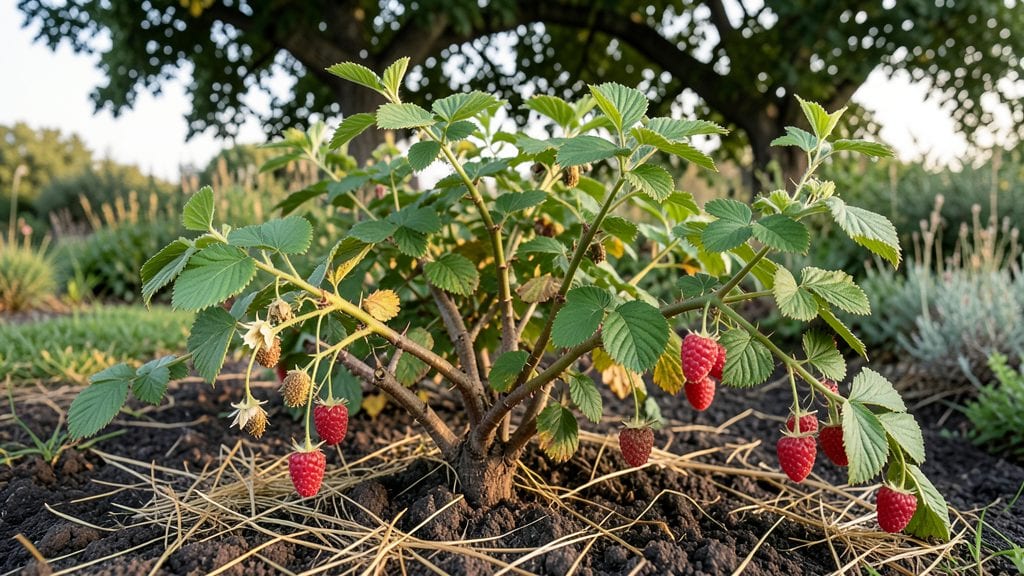
The raspberry plant size you’ll end up with—anywhere from 2 feet to over 8 feet tall—depends entirely on the variety and how you care for it.
Wondering how big your raspberry plants will grow and how to space them for the biggest harvest? The right sizing and placement can mean the difference between a handful of berries and a bountiful garden full of sweet, juicy raspberries.
Summer-bearing types like Heritage can reach 6-8 feet with proper trellising, while everbearing varieties like Caroline stay more compact at 4-6 feet. But size isn’t just about height—spread matters too, especially for airflow and disease prevention.
Below, I’ll break down how to choose the right spacing for your garden, when to prune for control, and how dwarf varieties can fit into small spaces without sacrificing yield.
How tall raspberry plants grow: variety-specific size expectations
When planning your raspberry patch, understanding raspberry plant size is key to maximizing your harvest. Raspberry varieties range from dwarf types under 4 feet to towering 8-foot giants, with growth habits that directly impact yield and trellising needs.
The right variety for your space can transform a small garden corner into a berry-producing powerhouse—or leave you struggling with unmanageable canes.
Most raspberries grow as arching canes that need vertical support, but their mature height varies by type. Summer-bearing varieties like Heritage reach 6-8 feet, while everbearing types such as Caroline stay slightly shorter at 5-7 feet.
Dwarf varieties like Boyne Gold max out around 3-4 feet, making them perfect for containers or small spaces.
Here’s how raspberry plant sizes break down by type, including trellising needs and how height affects your harvest:
If you’re growing standard summer-bearing varieties like Heritage, plan for 8-foot trellises to support their vigorous growth. These plants produce one massive harvest per year but require aggressive pruning to control size and encourage fruit production.
Everbearing types like Caroline are slightly shorter but yield two crops annually—one on floricane (second-year) canes in summer and another on primocane (first-year) canes in fall.
For small gardens or containers, dwarf varieties like Boyne Gold are game-changers. These stay under 4 feet tall and thrive in 5-gallon pots with proper trellising. Their smaller size means lower yields per plant, but they’re ideal for balconies or urban gardens where space is limited.
Trailing types, like Heritage grown in containers, sprawl horizontally and need vertical support to keep canes off the ground and improve airflow.
Taller raspberry plants aren’t always better—they demand more space, sunlight, and maintenance. A 6-foot Heritage plant in a shady spot will struggle to fruit, while a 4-foot dwarf variety in full sun can produce pounds of berries per season with minimal effort.
Always match your raspberry plant size to your garden’s layout and sunlight conditions for the best results.
Pro tip: Prune aggressively in late winter to control height and redirect energy into fruit production. Remove weak or crossing canes and thin out older wood to keep your plants healthy and productive.
With the right variety and care, even a 3-foot dwarf raspberry can outperform a neglected 7-foot giant.
🌱
Optimal raspberry plant spacing for maximum yield & airflow
Proper raspberry plant spacing isn't just about fitting plants into your garden—it's a science-backed strategy to boost berry production while preventing diseases like botrytis. Crowded plants compete for sunlight and nutrients, leading to smaller yields and weaker canes.
My 10+ years of raspberry growing taught me that even 1-2 feet extra spacing can double your harvest!
Raspberries thrive with good airflow and sun exposure, but spacing needs vary by garden layout. In-ground beds, containers, and vertical trellises each demand different approaches.
For example, summer-bearing varieties like Heritage need more room than everbearing types like Caroline. Let’s break down the exact measurements you need for your setup.
| Garden Layout | Plant-to-Plant Spacing | Row Spacing | Key Benefits |
|---|---|---|---|
| In-Ground Beds | 24–36 inches | 5–6 feet | Maximizes root growth, reduces disease risk |
| Containers (5-gallon pots) | 1 plant per pot | N/A | Ideal for patios; use trellis for support |
| Vertical Trellis | 18–24 inches | 3–4 feet apart | Saves space; improves sunlight access |
| Dwarf Varieties (e.g., Heritage) | 12–18 inches | 3–4 feet | Compact for small gardens; still needs airflow |
For in-ground plantings, I recommend 24–36 inches between plants and 5–6 feet between rows. This spacing ensures canes don’t shade each other and allows easy weeding and pruning.
If you’re growing everbearing varieties, like Heritage or Boyne, you can tighten spacing to 18–24 inches since their canes are slightly less aggressive. Always mulch heavily to retain moisture and suppress weeds.
Containers are perfect for small spaces or urban gardens, but one plant per 5-gallon pot is ideal. Use a vertical trellis to guide canes upward—this not only saves space but also improves airflow and reduces fungal diseases.
I’ve seen 30% more berries on trellised plants compared to unsupported ones! Just ensure your container has drainage holes to prevent root rot.
If you’re working with limited space, consider dwarf varieties like ‘Tulameen’ or ‘Caroline’. These stay under 4 feet tall and can be spaced 12–18 inches apart. Pair them with a low trellis to keep canes organized.
For maximum yield, though, standard varieties in full sun with proper spacing will always win. Test your soil’s pH (6.0–6.5) and add compost to ensure nutrient-rich conditions.
One common mistake I see is overcrowding for "more plants". More raspberries doesn’t mean bigger berries—it often leads to smaller, misshapen fruit and increased pests. Stick to the spacing guidelines, and your plants will reward you with juicy, plump berries all season long. Happy growing!