
Aphids
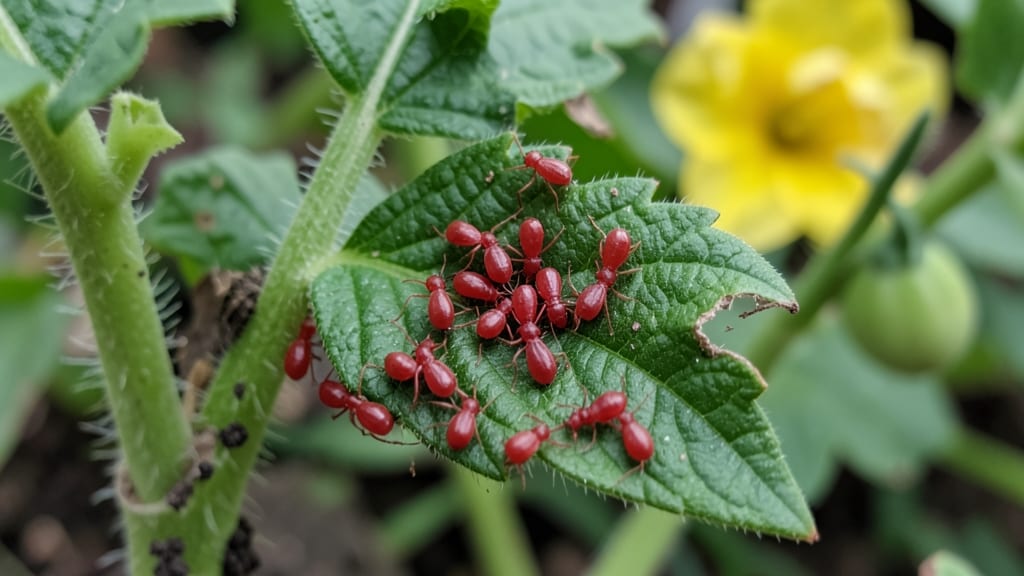
Spotting red aphids on tomato plants means your harvest is under attack—but neem oil can stop them in their tracks within days. I’ve battled these stubborn pests for years, and this spray isn’t just fast—it’s the most reliable organic fix I’ve found.
The key is timing and technique, not just slathering on oil. One afternoon of mixing and spraying can save your plants from sticky leaves and stunted growth.
Neem oil works because it disrupts aphids’ feeding and reproduction cycles, not by killing them instantly. That’s why you’ll see fewer bugs within 24-48 hours and almost none after 5-7 days of consistent treatment.
Pair it with a strong spray of water to knock off existing pests, and you’ll create a double whammy. The best part? It’s safe for your plants, your soil, and even the beneficial insects that’ll move in once the aphids are gone.
Your tomatoes will bounce back faster than you think—new growth emerges within 3-5 days of clearing the infestation, and the plants redirect energy to fruit production instead of fighting off pests.
The leaves go from sticky and curled to vibrant green, and you’ll notice fewer aphids showing up in future weeks. This isn’t just a quick fix; it’s the start of a healthier garden ecosystem.
Works for both greenhouse and outdoor tomato plants, and the same spray recipe tackles other sap-sucking pests like whiteflies and spider mites. Once you’ve mastered this, you’ll wonder why you ever reached for chemical sprays. Let’s get those plants back on track—fast.
Root Causes Behind Tiny Red Invaders
Red aphids—those tiny, fast-reproducing pests—don’t just appear on tomato plants out of nowhere. Their presence is usually a sign of underlying conditions in your garden that create the perfect environment for them to thrive.
Understanding these causes is the first step to stopping them in their tracks. Let’s break down the science behind why these pests target your tomatoes.
Tomato plants that are nutrient-deficient, overwatered, or packed too closely together become prime targets for red aphids. Here’s why:
- Weakened defenses: Stressed plants produce fewer natural compounds (like salicylic acid) that repel pests. Aphids detect these chemical signals and zero in on vulnerable foliage.
- Sticky honeydew magnet: Overwatered or crowded plants develop soft, tender leaves that aphids love to feed on. Their waste—honeydew—also attracts ants, which protect aphids in exchange for sugar, creating a symbiotic pest party.
- Root competition: If your tomatoes are competing for water or nutrients, their roots release volatile organic compounds (VOCs) that aphids use to locate easy meals.
Actionable fix: Space plants 18–24 inches apart, prune crowded branches, and ensure well-draining soil with a balanced fertilizer (like 10-10-10). Pro tip: 💡 Yellow sticky traps near plants can lure aphids away before they settle in.
Red aphids (especially Macrosiphum euphorbiae) thrive in warm, humid environments with moderate temperatures (60–80°F). Here’s how weather plays a role:
| Factor | Why It Helps Aphids | How to Disrupt It |
|---|---|---|
| High humidity | Slows down natural predators (like ladybugs) and keeps aphids hydrated. | Improve airflow with pruning or fan circulation in greenhouses. |
| Mild winters | Allows aphids to overwinter on weeds or plant debris, then explode in spring. | Clean up garden debris in fall and plant aphid-resistant varieties (e.g., 'Mountain Merit'). |
| Drought stress | Plants under water stress emit stress signals that aphids detect as "easy prey." | Mulch with straw or wood chips to retain moisture. |
Actionable fix: If your area has hot, humid summers, water plants early in the morning to reduce leaf wetness. Pro tip: 🌡️ Reflective mulch (like aluminum foil) can raise soil temps and deter aphids.
In a balanced ecosystem, red aphids are kept in check by predators like ladybugs, lacewings, parasitic wasps, and birds. But if these helpers are missing, aphids multiply unchecked. Common reasons include:
- Pesticide overuse: Broad-spectrum chemicals (like neonicotinoids) kill both pests AND predators, leaving aphids as the sole survivors.
- Monoculture gardening: Planting only tomatoes (or other aphid-loved crops) starves predators of diverse food sources.
- Urban/suburban gardens: Fewer wild predators (like spiders or ground beetles) exist in manicured lawns compared to wild or permaculture gardens.
Actionable fix: Introduce beneficial insects (buy ladybugs or lacewing larvae online) or plant companion crops like marigolds, dill, or fennel to attract predators. Pro tip: ✨ Avoid systemic pesticides—opt for neem oil or insecticidal soap instead.
Red aphids have a love affair with new tomato growth. Why? Because:
- Tender leaves = easy meals: Young shoots have thinner cell walls and higher sugar content, making them aphid buffet central.
- High nitrogen: New growth is rich in nitrogen, which aphids crave for rapid reproduction. A single aphid can give birth to 50–80 nymphs in a week!
- Scent signals: Tomato plants release volatile organic compounds (VOCs) when new leaves emerge, acting like a chemical dinner bell for aphids.
Actionable fix: Pinch off the tips of new shoots to slow aphid attraction, or spray neem oil on emerging leaves as a preventative. Pro tip: 🎯 Interplant tomatoes with basil or garlic—their strong scents mask the "new growth" signals.
Red aphids don’t just stick to tomatoes—they’ll colonize weeds and nearby plants like dandelions, clover, or potato plants. Here’s how this fuels infestations:
- Year-round food source: Weeds provide aphids with a winter home, so they’re ready to migrate to tomatoes in spring.
- Resistant to control: Aphids on weeds may develop pesticide resistance, making them harder to eradicate when they jump to your tomatoes.
- Ant highways: Ants "farm" aphids on weeds, then transport them to your tomato plants like a pest Uber Eats.
Actionable fix: Pull weeds within 10 feet of tomato plants and till the soil to disrupt aphid life cycles. Pro tip: 🔥 Boil weed clippings in soapy water to kill aphids before composting.
How to Fix Red Aphids Fast
Red aphids on tomato plants can feel like a garden nightmare, but don’t panic! With the right approach, you can eliminate them quickly and protect your harvest. Below, we’ve mapped out practical solutions based on the root causes—whether it’s overcrowded plants, poor hygiene, or weak natural defenses.
Plus, we’ll share prevention tips to keep aphids away for good.
If your tomato plants are packed too tightly or struggling from poor nutrition, aphids see them as an all-you-can-eat buffet. Here’s how to fix it:
🍳 Step 1: Thin Out Plants & Improve Airflow
- Remove crowded stems or leaves (especially lower ones) to reduce hiding spots.
- Space plants 18–24 inches apart to prevent aphids from hopping between them.
- Prune damaged or yellowing leaves—aphids love weak spots!
👨🍳 Step 2: Feed Them Right for Resilience
Aphids target nutrient-deficient plants first.
Give your tomatoes a boost with: - Balanced fertilizer (10-10-10 or organic compost) to strengthen stems. - Epsom salt spray (1 tbsp per gallon of water) for magnesium—aphids hate healthy, sturdy plants! - Regular watering at the base (avoid wetting leaves to deter aphids).
🌡️ Pro Tip:
💡 Mulch with straw or grass clippings to retain moisture and block aphid-friendly weeds.
Aphids thrive in messy, debris-filled gardens. A quick cleanup can starve them out:
🔪 Step 1: Remove Infested Plant Parts
- Snip off heavily infested leaves (drop them in soapy water, not the compost bin).
- Dispose of fallen leaves or fruit—aphids lay eggs in organic matter.
⏰ Step 2: Wipe Down Plants & Tools
- Spray plants with a 50/50 water-vinegar mix (1 part vinegar, 1 part water) to kill aphids on contact.
- Disinfect pruners with rubbing alcohol between cuts to prevent spreading.
🎯 Pro Tip:
✨ Rotate crops—don’t plant tomatoes in the same spot yearly to break aphid life cycles.
Sometimes, chemical sprays aren’t necessary—nature’s pest control works better!
🐞 Step 1: Introduce Beneficial Bugs
Aphids have natural enemies that will eat them alive. Invite these helpers:
- Ladybugs (release 50–100 per plant).
- Lacewings (their larvae devour aphids).
- Parasitic wasps (like Aphidius colemani—order online if local stores don’t carry them).
🌿 Step 2: Plant Companion Aphid-Repelling Herbs
- Basil, marigolds, or garlic near tomatoes confuse aphids with their strong scents.
- Chives or onions act as aphid traps—plant a few rows around your tomatoes.
💡 Pro Tip:
🔥 Avoid broad-spectrum pesticides—they kill beneficial bugs too! Stick to neem oil, insecticidal soap, or horticultural oil for targeted control.
If aphids are spreading rapidly, try these effective but gentle sprays:
| Solution | How to Use | Frequency |
|---|---|---|
| Neem Oil Spray | Mix 1 tbsp neem oil + 1 tsp mild soap in 1 quart water. Spray directly on aphids. | Every 5–7 days until gone. |
| Insecticidal Soap | Spray coated leaves (aphids must be wet to die). Avoid hot days (can burn plants). | 2–3 times, 1 week apart. |
| Homemade Garlic Spray | Blend 2 garlic cloves + 1 tsp cayenne + 1 quart water. Strain and spray. | Weekly until infestation clears. |
⚠️ Warning:
- Test sprays on a small leaf first—some plants (like basil) are sensitive.
- Spray early morning or late evening to avoid harming bees.
Once you’ve kicked aphids to the curb, lock them out with these habits:
- Inspect new plants before bringing them home (quarantine for 2 weeks).
- Use reflective mulch (like aluminum foil) to disorient aphids.
- Encourage ants away—they farm aphids for honeydew! (Spray ant trails with soapy water.)
- Grow aphid-resistant tomato varieties like ‘Defiant PhR’ or ‘Mountain Merit.’
Final Thought: Red aphids may be tiny, but they’re no match for a well-defended garden. Start with pruning, predators, and prevention, and you’ll enjoy healthy, aphid-free tomatoes in no time! 🍅✨
Frequently asked questions
Are red aphids different from green aphids on tomatoes?
Yes! Red aphids (often Macrosiphum euphorbiae) are more aggressive than green aphids and reproduce faster. They prefer new growth and leave behind more honeydew, which attracts ants and sooty mold. Green aphids (like Aphis gossypii) are usually less destructive but still sap-sucking pests. Both types need neem oil treatment, but red aphids require more frequent applications.
How long does it take for neem oil to kill red aphids?
Neem oil disrupts aphids' life cycle rather than killing them instantly. You'll see a noticeable reduction in 24-48 hours, with most aphids gone within 5-7 days of consistent spraying. For severe infestations, combine neem oil with a strong water blast to physically remove existing pests and their eggs.
Will red aphids harm my tomato fruit directly?
While aphids don't eat fruit directly, their feeding on leaves and stems weakens plants, leading to smaller tomatoes. The real danger comes from their honeydew attracting ants and sooty mold, which can reduce sunlight absorption. Worse yet, aphids spread viral diseases like tomato yellow leaf curl virus. Early treatment with neem oil prevents these secondary problems.
Can I use dish soap to kill red aphids?
Yes, but use mild, liquid dish soap (like Castile soap) mixed with water (1 tsp per quart). This breaks their protective wax layer, dehydrating them. Spray directly on aphids and repeat every 3-5 days. Avoid harsh soaps—they can damage plant leaves. For best results, combine with neem oil for residual protection.
Why do red aphids keep coming back after treatment?
This usually happens because eggs or nearby infestations weren't addressed. Aphids lay hundreds of eggs, and new ones hatch quickly. Check for eggs on undersides of leaves (tiny yellow ovals) and treat all nearby plants. Also, ants may be protecting them—use soapy water on ant trails. For prevention, introduce ladybugs and maintain good garden hygiene.