
Companion Plants
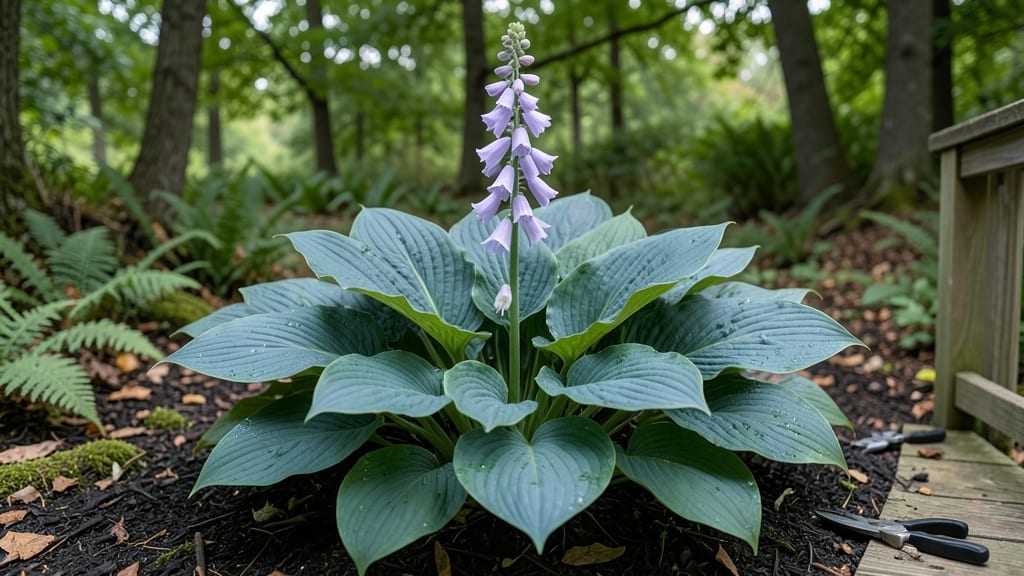
Shaded garden plants can transform dull corners into lush, vibrant spaces that never need full sun. 🌿 I’ve turned my shady backyard into a year-round showcase with plants that thrive where others struggle—some even bloom in deep shade.
The key is choosing the right mix of foliage, flowers, and textures that work together like a living tapestry.
Think beyond just flowers: hostas with their velvety leaves, ferns that unfurl like delicate lace, and heucheras that burst with jewel-toned hues. Add in shade-loving perennials like astilbes with their feathery plumes or impatiens that spill color like confetti.
These plants don’t just survive—they thrive, creating depth and movement even when sunlight is scarce.
Layering is everything. Start with tall structural plants like Japanese maples or hydrangeas for height, then add mid-level shrubs and perennials, and finally fill the gaps with trailing plants like sweet woodruff or creeping phlox.
The result? A garden that feels alive, even on cloudy days, with colors that shift from spring’s soft greens to fall’s fiery reds and purples.
Here’s the secret weapon: combine plants with different leaf textures and growth habits—glossy, matte, fuzzy, or variegated—to create visual interest. A single shade garden can feel like a masterpiece when you play with contrast and repetition. Ready to bring your shady spots to life?
📚 In This Guide
- What you need
- Instructions
- Tips and common mistakes
- Wrapping up and next steps
What you need
- ● Shade-tolerant plants: 5–10 varieties (e.g., Hostas, Ferns, Heucheras, Astilbes, or Lungwort). Aim for a mix of heights (6" to 36" mature size) for visual interest.
- ● High-quality potting soil: 10–20 bags (or 5–10 cubic feet of amended garden soil). Look for moisture-retentive, well-draining blends (e.g., Miracle-Gro Shade Mix or FoxFarm Ocean Forest).
- ● Organic mulch: 2–3 bags (e.g., cedar chips, pine straw, or shredded bark) to retain moisture and suppress weeds.
- ● Garden gloves: 1 pair (heavy-duty for digging/pruning).
- ● Hand trowel or transplant spade: 1–2 (for digging small holes or moving plants).
- ● Watering can or hose with a gentle spray nozzle: 1 (for delicate watering; avoid harsh streams that disturb soil).
- ● Pruners: 1 (bypass pruners for clean cuts on foliage or stems).
- ● Measuring tape or ruler: 1 (to space plants 12–36" apart, depending on mature size).
- ● Slow-release fertilizer: 1–2 bags (e.g., Osmoote or Espoma for shade plants). Apply at planting and mid-season.
- ● Shade fabric or lattice: 1–2 panels (for areas with partial shade to filter harsh sunlight).
- ● Decorative stones or pebbles: 1–2 bags (for pathways or borders).
- ● Soil pH test kit: 1 (to check acidity; most shade plants prefer 6.0–7.0).
- ● Compost or worm castings: 1–2 bags (to enrich soil naturally).
Step-by-step guide to designing a thriving shaded garden
Here’s how to create a vibrant garden that blooms beautifully with just a few hours of sunlight.
🌱 Step 1: Choose the Right Plants for Your Shade Level
Not all shade is equal—some spots get dappled light, while others remain deeply shaded. For partial shade (3-6 hours of sun), try hostas, astilbes, or ferns. For full shade (less than 3 hours), heucheras, lungwort, and Japanese painted ferns thrive. I always check the plant tag for light requirements to avoid disappointment.
Group plants by their sunlight needs. For example, place impatiens near the edge of the shade where they can catch a few hours of indirect light, while bleeding hearts will do well deeper in the shade. This ensures everyone gets exactly what they need without competition.
🪴 Step 2: Prepare the Soil for Moisture-Retentive Growth
Shade gardens often have moist, dense soil that can suffocate roots. Amend the soil with 2-3 inches of compost and a handful of perlite or coarse sand to improve drainage. I mix this into the top 6-8 inches of soil to create a looser, airier environment for roots.
Test the soil’s moisture level by pressing your finger 1 inch deep—if it feels damp but not soggy, you’re good. If it’s bone-dry, your shade area might need a drip irrigation system or mulch to retain moisture. Mulch also keeps soil cool, which is crucial for shade-loving plants.
☀️ Step 3: Plant with Layered Height and Texture
Start with taller plants (3-4 feet) like foxgloves or astilbes at the back, then add mid-height (1-2 feet) plants like heucheras or coral bells in the middle. Fill gaps with low-growing ground covers such as sweet woodruff or ajuga to prevent weeds and retain soil moisture.
Mix leaf textures—smooth hostas with feathery ferns, or bold heucheras with delicate lungwort. This creates visual interest even when flowers aren’t in bloom. I always step back after planting to check for gaps—if I see bare spots, I add more fillers like lamium or creeping Jenny to tie everything together.
💧 Step 4: Water Deeply and Mulch for Retention
Shade gardens stay moist longer, but that doesn’t mean they don’t need water. Water deeply once a week (or more in extreme heat) until the soil is damp 2 inches down. Avoid overhead watering, which can encourage fungal diseases in dense foliage. Instead, use a soaker hose or water at the base.
Apply a 3-inch layer of mulch (like shredded bark or wood chips) to lock in moisture and suppress weeds. Keep mulch 2 inches away from plant stems to prevent rot. Replenish mulch as it breaks down—this is the secret to keeping shade plants happy year-round.
✂️ Step 5: Prune and Maintain for Continuous Bloom
Deadhead spent blooms on impatiens, astilbes, and foxgloves to encourage more flowers. Cut back last year’s growth in early spring for heucheras and grasses to make room for fresh foliage. I always use clean, sharp shears to avoid tearing leaves.
Fertilize lightly in early spring with a balanced, slow-release fertilizer (like 10-10-10). Too much nitrogen leads to lush foliage but fewer flowers. Watch for yellowing leaves—this usually means your plants need more light, not water. Adjust by moving them slightly or adding a taller plant nearby to create a micro-shade effect.
Tips & tricks for perfect shaded garden design
A few simple strategies will help you create a thriving shaded garden that stays lush and vibrant all year.
Light Level Awareness: Pay close attention to how much light different areas actually receive throughout the day. Use a light meter or observe your garden at different times—morning light is often brighter than afternoon shade. I've learned the hard way that what looks like deep shade in winter might get several hours of indirect light in summer. This helps you place sun-loving impatiens near the edge where they can catch those extra rays while keeping full-shade heucheras deeper in the garden.
Soil Test First: Before amending your soil, test its current composition. Many shade gardens have compacted, clay-heavy soil that needs serious loosening. I've found that adding 2-3 inches of compost and mixing in perlite or coarse sand to the top 6-8 inches makes all the difference. The goal is to create a soil that drains well but holds moisture—shade plants hate soggy roots but need consistent dampness.
Layered Planting Strategy: Think vertically when designing your shade garden. Start with taller plants (3-4 feet) like foxgloves at the back, then add mid-height (1-2 feet) heucheras in the middle, and fill the front with low-growing sweet woodruff. This creates visual depth and ensures no plant gets overwhelmed by its neighbors. I always sketch my garden layout first to visualize how each plant will contribute to the overall design.
Mulch Maintenance: That 3-inch layer of mulch you apply isn't a one-time fix—it breaks down over time. Plan to replenish it every spring to maintain its moisture-retaining benefits. I've noticed that mulch breaks down faster in hot, humid climates, so I check it more frequently in those areas. Keep it 2 inches away from stems to prevent rot, which is especially important for moisture-loving shade plants.
Pro Tips for Shaded Garden Plants
- A few simple strategies will help you create a thriving shaded garden that stays lush and vibrant all year.
- Light Level Awareness: Pay close attention to how much light different areas actually receive throughout the day.
- Soil Test First: Before amending your soil, test its current composition.
Frequently asked questions
Got questions about thriving plants in shady spots?
Here are answers to the most common concerns—so you can create a lush, low-light garden with confidence!
What are the best easy-care shaded garden plants for beginners?
Start with hostas (tolerate deep shade), heucheras (colorful foliage), or ferns (low-maintenance and lush). For flowers, try bleeding heart or impatiens—both thrive in partial shade and add vibrant pops of color with minimal effort!
How long does it take for shaded plants to establish and bloom?
Most shade-loving perennials take 1-2 years to fully establish, while annuals (like impatiens) may bloom in as little as 6-8 weeks after planting. Patience pays off—divide clumps of hostas or heucheras after 3-4 years for healthier growth!
Can I grow vegetables or herbs in a shaded garden?
Opt for leafy greens (spinach, lettuce), arugula, or bush beans in partial shade. Herbs like cilantro, parsley, and mint also do well with 3-4 hours of morning sun. Just avoid heavy sun-lovers like tomatoes or peppers.
Do shaded plants need extra watering?
Yes! Shady spots retain moisture longer, but roots still need consistent hydration, especially during dry spells. Water deeply 1-2 times per week (adjust for clay soil) and use mulch to lock in moisture. Avoid soggy soil—ensure containers or beds have good drainage!
What if my shaded plants look leggy or sparse?
Leggy growth often means too little light or overcrowding. Try:
- Moving plants to a brighter spot (even dappled light helps!).
- Thinning out dense foliage to improve airflow.
- Fertilizing lightly with balanced, slow-release fertilizer in spring.
Wrapping up and next steps
Creating a vibrant shaded garden is easier than you think—even with minimal sunlight! 🌿 From hostas and heucheras to ferns and astilbes, these plants thrive where others falter, offering year-round color and texture.
The key? Matching the right species to your shade level and soil conditions, while adding mulch and occasional care to keep them flourishing.
Ready to transform your shady spots into lush, low-maintenance havens? Start small—pick one or two plants from this guide, test your soil, and experiment with placement. Before you know it, your garden will be the envy of the neighborhood! Happy planting! 🌱