
Pruning
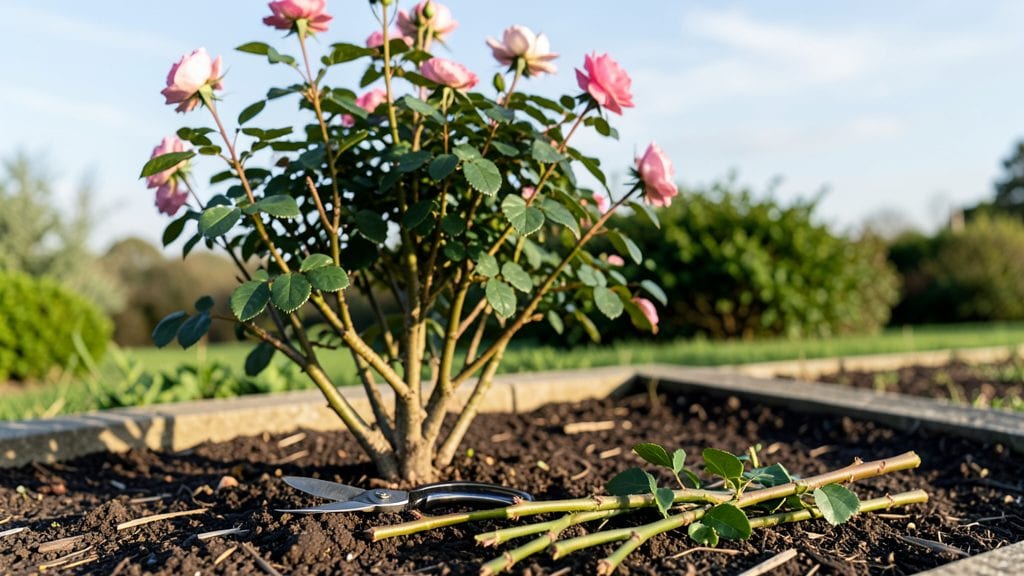
Understanding prune plants meaning reveals how strategic cutting transforms growth, directing energy toward stronger stems, denser foliage, and higher-quality fruit production while preventing disease by improving airflow.
Pruning isn't just about shaping plants—it's a growth hack that rewires their biology.
When you make precise cuts, you trigger hormonal shifts that redirect energy from weak branches to the plant's core structure, resulting in thicker stems and more vibrant leaves. 🌿 For fruit trees, this means bigger harvests with fewer blemishes, while flowering plants often burst into more abundant blooms when properly pruned.
The key is timing: cutting at the right season can boost next year's growth by up to 30% in many species.
What many gardeners overlook is how pruning affects a plant's long-term health. By removing dead or crossing branches, you prevent fungal infections and pest infestations that thrive in crowded, damp conditions. My go-to rule?
Always cut just above a leaf node or outward-facing bud—this ensures new growth follows the direction you want, whether that's filling out a hedge or encouraging upward growth in young trees.
💡 In This Article
- How Pruning Shapes Plant Biology and Development
- Best Pruning Practices for Different Plant Types
How pruning shapes plant biology and development
Here's what's actually happening when you prune: you're manipulating the plant's natural growth hormones, primarily auxin, which controls cell elongation. Auxin concentration is highest at the tips of growing stems, creating what's called apical dominance.
When you cut off these tips, auxin levels drop, allowing dormant buds along the stem to wake up and grow into new branches.
This hormonal shift can increase lateral branching by up to 40% in some species like roses, transforming a leggy plant into a bushy one within a single growing season.
The science gets even more interesting with fruit trees. When you remove excess fruit or shoots, the plant redirects energy from seed development to fruit size and quality. For example, apple trees pruned to keep only 1-2 inches between fruits produce apples that are 20-30% larger than overcrowded trees.
This works because the plant's energy isn't wasted on producing multiple small fruits—it focuses on fewer, higher-quality ones. The same principle applies to grapes, where precise pruning can increase cluster size by 50% while improving sugar content.
What most people don't realize is how pruning affects root development. When you remove above-ground growth, the plant responds by sending more energy downward, stimulating root expansion. In citrus trees, proper pruning can increase root mass by 25-40% within a year, making the tree more drought-resistant.
The key is making cuts at the right time—late winter or early spring when the plant is just beginning its active growth phase. This timing ensures the plant has enough stored energy to support both new shoots and root development simultaneously.
Pruning also changes a plant's light exposure patterns. By thinning out dense foliage, you create a canopy with better light penetration, which increases photosynthesis in the lower branches. Studies show that properly pruned tomato plants can produce 30% more fruit because the lower leaves receive adequate sunlight.
The improved airflow from strategic cuts also reduces humidity in the plant's interior, lowering the risk of fungal diseases like powdery mildew by up to 60% in susceptible species like hydrangeas.
Consider these physiological responses when planning your cuts: the plant's growth hormones don't just respond—they reorganize. For example, in grapevines, pruning to leave 8-12 buds per vine can increase yield by 25% while improving fruit quality.
The secret lies in understanding that each cut is a conversation with the plant, directing its energy where you want it to go—whether that's upward growth, bushier foliage, or larger fruit. The more precise your cuts, the more dramatic the plant's response will be.
The visual transformation is often immediate but the biological changes happen at a cellular level. Within 24-48 hours of pruning, you'll see new buds swelling as auxin levels drop.
Over 4-6 weeks, these buds will develop into new shoots with stronger cell walls, making the plant more resilient to wind and pests. It's like giving the plant a biological makeover that lasts for years. 🌱