Pruning
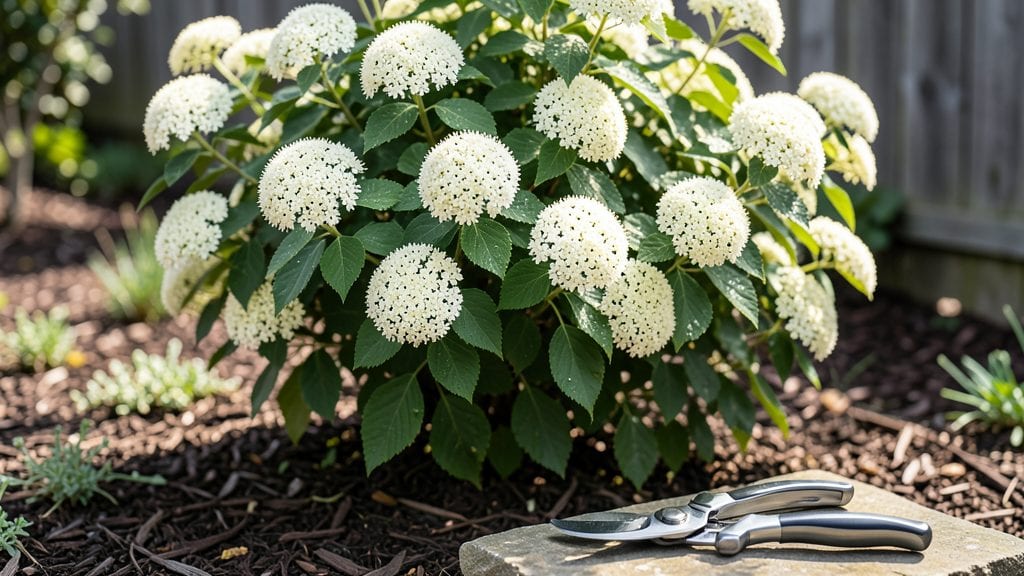
My snowball plant pruning routine turns scraggly stems into a lush, rounded bush every spring. ✨ The key is timing—prune right after flowering when the plant shifts energy from blooms to new growth, and you’ll trigger bushier branches that produce even more flowers next year.
You only need sharp pruners and a clear vision of your plant’s shape. Cut back about a third of the oldest stems to the ground, then trim back any crossing branches or leggy growth to open up the center.
This isn’t about perfection—it’s about encouraging the plant to fill out naturally. I’ve seen plants go from sparse to full in just one growing season.
The payoff comes in late spring when your snowball bush bursts with clusters of tiny white blooms that look like snowballs. The foliage stays vibrant all summer, and the plant’s natural disease resistance means less fuss. Just avoid heavy pruning in fall—it stresses the plant before winter.
Works for both container-grown snowball bushes and in-ground plants. Even if you’ve never pruned before, this method is hard to mess up. Let’s get those branches looking intentional!
The Hidden Triggers Behind Unruly Growth
Your Viburnum opulus—commonly known as the snowball plant—is a stunning shrub when pruned correctly, but if it’s growing wild or leggy, something’s off. Understanding the root causes of its unruly growth helps you take precise action.
Here’s why your snowball plant might need a reset, and what’s really driving the chaos.
When snowball plants grow too close together—or when their roots are restricted by compacted soil—they’ll stretch and thin out in a desperate bid for sunlight and nutrients. Here’s the science:
- Root-bound stress: If planted too densely or in containers without proper drainage, roots compete for space, triggering apical dominance suppression. This causes the plant to send out weak, elongated stems instead of compact, bushy growth. 🌿
- Soil depletion: Over time, soil nutrients (especially nitrogen and phosphorus) get exhausted. The plant responds by producing longer internodes (the gaps between leaves) to maximize light absorption, making it look leggy.
- Actionable fix: Test soil pH (ideal: 5.5–7.0) and amend with compost or slow-release fertilizer. If root-bound, gently loosen roots or repot in well-draining soil.
Pruning at the wrong time disrupts the plant’s natural growth hormones, leading to chaotic regrowth. Snowball plants rely on auxin (a growth hormone) to regulate stem elongation and branching. Mess with its schedule, and you’ll get:
- Late-season pruning: Cutting back after mid-summer forces new growth that won’t harden off before winter, resulting in weak, floppy stems. 🥶
- Over-pruning young plants: Removing too many stems at once triggers compensatory growth, where the plant overcompensates by sending up a few long, sparse shoots instead of balanced branches.
- Actionable fix: Prune in early spring (before buds swell) or right after flowering. Never cut more than 1/3 of the plant’s volume in one session.
Snowball plants are adaptable, but they hate being out of their comfort zone. Too much shade or harsh sunlight throws off their growth patterns:
| Problem | What Happens | Fix |
|---|---|---|
| Too much shade | Stems stretch (etiolation) to reach light, becoming thin and weak. Leaves may turn pale or yellow. | Move to partial sun (4–6 hours/day) or thin nearby trees/shrubs. |
| Harsh afternoon sun | Leaves scorch, and the plant diverts energy to protecting foliage instead of branching. | Provide afternoon shade (e.g., sheer curtain or taller plants as windbreaks). |
| Wind exposure | Stems grow lopsided or lean away from wind, creating an uneven shape. | Plant near a natural windbreak (e.g., fence, hedge) or stake young plants. |
Hidden pests or pathogens can weaken your snowball plant, forcing it to grow erratically. Look for these culprits:
- Aphids/spider mites: These sap-suckers distort new growth, causing stunted, curled leaves and sparse branching. 🐜
- Powdery mildew: Fungal infections (common in humid climates) create a white film on leaves, blocking photosynthesis and leading to weak, leggy stems.
- Actionable fix:
- Spray with neem oil or insecticidal soap for pests.
- Improve air circulation (prune inner branches) and avoid overhead watering to prevent mildew.
- Remove heavily infested stems immediately to stop spread.
Even healthy snowball plants slow down as they age. Older shrubs develop:
- Wooden, brittle stems: After 10+ years, stems lose flexibility and may sprout unevenly from old wood, creating a "witch’s broom" effect.
- Reduced flowering: Energy shifts from blooms to maintaining structural integrity, leading to sparse, weak new growth.
- Actionable fix:
- For rejuvenation, cut back 1/2 to 2/3 of the oldest stems to the ground in early spring.
- Fertilize with high-phosphorus (e.g., 5-10-5) to encourage flowering.
Pro Tip: 🔍 Diagnose before you prune! Snap a photo of the problem areas and compare them to healthy branches. Often, the fix isn’t more cutting—it’s addressing the root cause first (literally and figuratively).
Revitalize Your Snowball Plant
If your snowball plant (Viburnum opulus) isn’t thriving, don’t worry—most issues can be fixed with the right pruning techniques and a little TLC. Below, we’ll tackle common problems with clear, step-by-step solutions, so you can restore your plant’s health and encourage lush, bushy growth. 🌿💪
If your snowball plant has stretched-out stems or looks sparse, it’s likely suffering from poor pruning habits or lack of sunlight.
✅ Fix It: 🔪 Prune in Late Winter or Early Spring – Before new growth begins, cut back up to one-third of the oldest stems to the ground. This encourages fresh, vigorous growth from the base. 🌱 Thin Out Crowded Branches – Remove any crossing or rubbing branches to improve airflow and sunlight penetration. 🌞 Ensure Proper Sunlight – If your plant is in a shady spot, consider relocating it to partial sun (4–6 hours of sunlight daily).
💡 Prevention Tips:
- Prune regularly (every 1–2 years) to maintain shape.
- Avoid heavy pruning in fall, as new growth may not harden off before winter.
If your snowball plant isn’t blooming or producing berries, it may need a reset or better care.
✅ Fix It: 🌸 Encourage Flowering with Strategic Pruning – Snowball plants bloom on old wood, so avoid heavy pruning in late winter. Instead, shape lightly in early spring. 🍓 Fertilize for Blooms – Apply a balanced, slow-release fertilizer in early spring to support flowering. 🌧️ Check Watering Habits – Overwatering or soggy soil can stress the plant. Ensure well-draining soil and water only when the top inch is dry.
💡 Prevention Tips:
- Mulch around the base to retain moisture and regulate soil temperature.
- Avoid pruning after mid-summer, as this can reduce next year’s flowers.
If you spot brown, mushy, or hollow stems, your snowball plant may have fungal issues or pests.
✅ Fix It: ✂️ Remove Damaged Stems Immediately – Cut back to healthy wood using sterilized pruners (wipe with rubbing alcohol). 🍄 Treat Fungal Issues – Apply a fungicide (like neem oil or copper-based spray) if you see powdery mildew or canker. 🐜 Inspect for Pests – Look for aphids, scale, or spider mites. Spray with insecticidal soap if needed.
💡 Prevention Tips:
- Space plants properly for airflow.
- Avoid overhead watering to prevent fungal spores.
If your snowball plant is lopsided or leaning, it needs structural pruning to restore balance.
✅ Fix It: 🎨 Shape with Selective Pruning – Trim longer branches to encourage even growth. Focus on the thicker, upright stems for stability. 🌿 Encourage Side Branches – Lightly pinch back tips of new growth to promote bushier side shoots. 🪵 Stake if Needed – For young or weak plants, use a small stake to support straight growth.
💡 Prevention Tips:
- Prune regularly to maintain symmetry.
- Rotate the plant occasionally to ensure even sunlight exposure.
If your snowball plant is growing slowly, it may need better nutrients or a different location.
✅ Fix It: 🌱 Improve Soil Quality – Amend heavy or compacted soil with compost to boost nutrients. ☀️ Move to a Sunnier Spot – Snowball plants thrive in partial sun; too much shade slows growth. 💧 Water Deeply but Less Often – Deep watering encourages root development, while frequent shallow watering can weaken roots.
💡 Prevention Tips:
- Test soil pH (ideal range: 5.0–6.5).
- Avoid transplant shock by watering well before moving.
With these targeted fixes, your snowball plant should bounce back stronger than ever. Remember, pruning is a conversation with your plant—listen to its needs and adjust your approach over time. Happy pruning! 🌟✂️
Frequently asked questions
When is the best time to prune my snowball bush?
Prune your snowball plant in early spring (before buds swell) or right after flowering when the blooms fade. This timing encourages fresh growth while preserving next year's flower buds. Avoid fall pruning—new growth won't harden off before winter.
How much should I cut back my snowball plant each year?
Remove no more than one-third of the plant's volume in a single session. For rejuvenation, cut back half to two-thirds of the oldest stems to the ground every 3-5 years. This prevents over-stressing the plant while maintaining its shape.
Can I prune my snowball plant to make it smaller?
Yes! To reduce size, cut back 1/3 of the oldest stems to the ground in early spring. For a more gradual approach, trim back 10-15% of the plant's height and width annually. Always prune just above a leaf bud or outward-facing branch for best results.
What should I do if I over-pruned my snowball plant?
Don't panic! If you've removed too much, the plant will recover. Water deeply and fertilize with a balanced 10-10-10 formula to support regrowth. Avoid further pruning for at least a year—let the plant focus on rebuilding its structure.
Will pruning my snowball plant affect next year's flowers?
Not if done correctly! Snowball plants bloom on old wood, so avoid heavy pruning after mid-summer. Light shaping in early spring won't impact blooms—it actually encourages more abundant flowering by improving air circulation.