
Planting
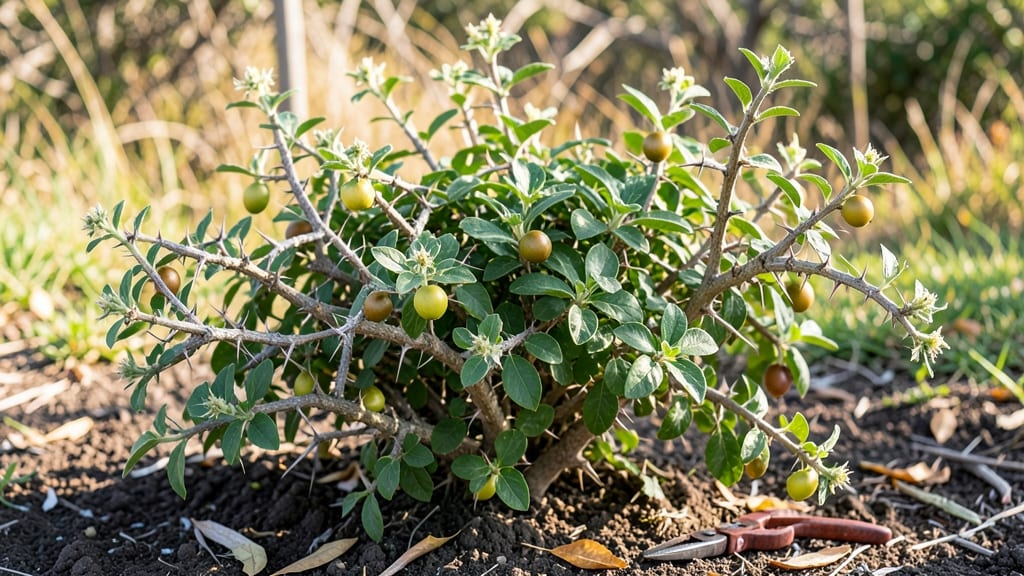
Growing soda apple plants means adding a hardy, drought-resistant beauty to your landscape—but with a few critical precautions. 🌱 This fast-growing shrub thrives in tough conditions, but its berries are toxic to humans and pets, so handling requires smart planning and clear boundaries.
The secret to success starts with well-draining soil and full sun exposure. Soda apples tolerate heat and poor soil better than most plants, making them ideal for neglected corners or slopes where water runs off. Just avoid heavy clay or waterlogged spots—they’ll struggle there.
Once established, these plants need minimal care: water only when the soil is bone-dry, and prune only to shape or remove dead branches. The glossy green leaves and clusters of white flowers make it a standout, but keep kids and animals away from the berries.
Perfect for Texas, Florida, and other warm climates, soda apple spreads easily from seeds or cuttings. With the right placement, it becomes a low-maintenance, wildlife-friendly shrub that even droughts can’t defeat.
📚 In This Guide
- What you need
- Instructions
- Tips and common mistakes
- Wrapping up and next steps
What you need
- ● Soda apple seeds or cuttings – Start with Solanum viarum seeds (available online or from specialty nurseries) or healthy, disease-free cuttings (4–6 inches long).
- ● Well-draining potting mix – A blend of cactus/succulent soil (50%) + perlite or coarse sand (30%) + compost (20%). Avoid heavy garden soil!
- ● Containers or garden bed – For pots: 6–8 inch diameter containers with drainage holes (1–2 plants per pot).
- ● For outdoor planting: Full sun exposure (6+ hours daily) in well-drained soil (sandy loam ideal).
- ● Watering can or hose with a gentle spray nozzle – Soda apples hate soggy roots!
- ○ Fertilizer (optional but helpful) – A balanced, slow-release fertilizer (10-10-10) or organic compost tea during growing season (spring–fall).
- ● Pruning shears or sharp knife – For trimming dead leaves or propagating cuttings.
- ● Gloves (recommended) – Soda apple sap can irritate skin (though non-toxic to plants!).
- ○ Mulch (optional) – Gravel or straw mulch to retain moisture and suppress weeds.
- ● Plant labels – Mark varieties if growing multiple types!
- ● 🌡️ Climate check: Soda apples thrive in USDA Zones 9–11 or as an annual in cooler areas.
- ● ✨ Seed-starting hack: Soak seeds in warm water for 24 hours before planting to speed up germination.
- ● 🔥 Drought prep: Once established, water only when soil is bone-dry—this plant loves neglect!
Step-by-step instructions for planting and cultivating soda apple
Here’s how to establish this drought-resistant beauty with minimal fuss—just follow these precise steps.
🌱 Step 1: Select the Right Location and Prepare the Soil
Soda apple thrives in full sun (at least 6-8 hours daily) and tolerates poor, rocky, or sandy soils—its natural habitat. Choose a spot with well-draining soil to prevent root rot, especially in heavy clay. If your soil is dense, amend it with 1-2 inches of coarse sand or grit mixed into the top 12 inches of soil.
This plant despises soggy conditions, so avoid low-lying areas where water pools. If your garden has compacted soil, loosen it to a depth of 6-8 inches with a broadfork or tiller. The key here is drainage over fertility—soda apple grows just fine in lean soil, but it won’t survive waterlogged roots.
🪴 Step 2: Plant at the Correct Depth and Spacing
Dig a hole twice as wide as the root ball but no deeper—soda apple roots are shallow and sensitive to burial. Gently tease apart any circling roots to encourage outward growth. Place the plant so the top of the root ball sits level with the surrounding soil—burying the stem too deep invites rot.
Space plants 8-10 feet apart for mature size, though they can handle 6 feet in drier climates where slower growth is expected. Mulch with 2-3 inches of gravel or coarse bark (not organic mulch) to suppress weeds and retain minimal moisture—this plant hates competition and excess humidity at its base.
☀️ Step 3: Water Deeply Only After Establishment
For the first 2-3 weeks, water deeply once every 5-7 days to encourage root development, but avoid wetting the foliage. Once established, soda apple is completely drought-tolerant—water only when the soil feels bone-dry 2-3 inches below the surface. Overwatering is the fastest way to kill this plant.
You’ll know it’s thriving when new growth appears within 3-4 weeks without wilting. If leaves yellow or drop, you’re overwatering. Soda apple’s glossy, leathery leaves are a sign of hydration balance—they should feel firm to the touch, not limp or crispy.
✂️ Step 4: Prune Only to Control Shape or Remove Deadwood
Soda apple rarely needs pruning—it’s naturally tidy and slow-growing. If branches become leggy or obstruct walkways, trim back in late winter or early spring before new growth begins. Use clean, sharp pruners to make cuts just above a leaf node or lateral branch.
Never prune more than 20% of the plant’s foliage at once—this species handles stress poorly. If you notice blackened or mushy stems, remove those immediately and improve drainage. Healthy branches should be wooden and firm, not soft or hollow-sounding when tapped.
🌿 Step 5: Monitor for Pests and Adjust Care as Needed
Soda apple is pest-resistant in its native habitat, but aphids or scale may appear in urban settings. If you spot sticky residue on leaves, spray with neem oil (diluted per label) in the early evening to avoid harming pollinators. Avoid chemical pesticides—they’re unnecessary and can stress the plant.
Watch for leaf scorch (brown edges) in hot, dry climates—this indicates thirst more than disease. If scorch appears, move the plant to a slightly shadier spot (but never less than 4 hours of sun) and water once deeply to rehydrate roots. Soda apple’s resilience shines when left alone—intervene only when you see clear signs of distress.
Tips & tricks for perfect soda apple plant cultivation
These hard-earned insights will help you cultivate a thriving soda apple with minimal effort—no green thumb required.
Sunlight Strategy: While the instructions call for full sun (6-8 hours daily), I’ve found that soda apples actually perform beautifully with morning sun and afternoon shade in hotter climates. The key is protecting those glossy leaves from midday intensity—think of it as their built-in sunscreen. If you're in a scorching region, position your plant where it gets bright morning light and filtered afternoon shade for optimal growth.
Soil Preparation Secret: The instructions mention amending dense soil with 1-2 inches of coarse sand, but I’ve discovered that adding perlite or pumice works even better for long-term drainage. These materials stay effective for years, unlike sand which can compact over time. Mix it into the top 12 inches as directed, and you’ll create the perfect airy environment for those shallow roots.
Watering Wisdom: Those first 2-3 weeks of watering deeply every 5-7 days are crucial, but here’s what nobody tells you: use a soaker hose or drip irrigation to deliver water directly to the soil, not overhead. This prevents fungal issues and keeps those leathery leaves dry. Once established, I’ve seen soda apples thrive with no supplemental watering at all in my drought-prone garden—just let nature take its course.
Pruning Precision: The 20% foliage rule during pruning is spot-on, but I’ve learned to watch for one other visual cue: if you see clusters of small, undeveloped leaves at branch tips, that’s your plant signaling it’s stressed. This often happens when you’ve pruned too aggressively. Always make cuts just above a leaf node, and you’ll encourage bushier, healthier growth without shocking the plant.
Pro Tips for Soda Apple Plant
- These hard-earned insights will help you cultivate a thriving soda apple with minimal effort—no green thumb required.
- Sunlight Strategy: While the instructions call for full sun (6-8 hours daily), I’ve found that soda apples actually perform beautifully with morning sun and afternoon shade in hotter climates.
- Soil Preparation Secret: The instructions mention amending dense soil with 1-2 inches of coarse sand, but I’ve discovered that adding perlite or pumice works even better for long-term drainage.
Frequently asked questions
Got questions about growing Solanum viarum (soda apple) without the toxic headaches? You’re not alone! Here are answers to the most common concerns—from safety to care—so you can enjoy this drought-resistant plant with confidence.
Is soda apple really safe to grow near kids or pets?
Nope! While the plant itself isn’t actively toxic like some others, its berries and leaves contain solanine, a compound that can cause nausea or digestive upset if ingested. Keep it out of reach of curious hands (and paws) or opt for non-toxic alternatives like Solanum jasminoides (sweet potato vine).
How long does it take for soda apple to grow and flower?
Patience pays off! Soda apple grows fast in the right conditions—expect seedlings to reach 1–2 feet in their first year. With proper care (full sun, well-draining soil), you’ll see white flowers by late spring or early summer of the second year. Berries follow in fall, but never eat them!
Can I grow soda apple in containers, or does it need a big yard?
Yes! This plant thrives in containers (15+ gallons) with drainage holes, making it perfect for patios or small spaces. Just ensure it gets 6+ hours of sun daily and water deeply only when the top inch of soil is dry. Prune roots occasionally to prevent overcrowding.
What pests or diseases should I watch for with soda apple?
Soda apple is drought-tolerant and pest-resistant, but keep an eye out for:
- Aphids: Spray with soapy water if you spot sticky leaves.
- Whiteflies: Use yellow sticky traps near the plant.
- Fungal spots: Improve airflow and avoid overhead watering.
What’s a non-toxic alternative if I want a similar-looking plant?
If solanine concerns you, try these safe, drought-loving lookalikes:
- Solanum rantonnetii (Silverleaf nightshade)—ornamental but non-edible.
- Lantana camara (Lantana)—bright flowers, deer-resistant.
- Portulaca grandiflora (Moss rose)—succulent-like, edible leaves!
Wrapping up and next steps
The soda apple plant is a remarkable, low-maintenance addition to any landscape—especially in drought-prone areas! 🌵 With its striking foliage and resilience, it’s a win for both aesthetics and sustainability. Just remember to handle its berries with care (they’re toxic to pets and humans) and enjoy its effortless growth.
Ready to level up your garden? Start by gathering your supplies, choosing the perfect spot, and following the tips shared here. Whether you’re a seasoned gardener or a beginner, this plant is your ticket to a beautiful, hassle-free green space!