
Planting
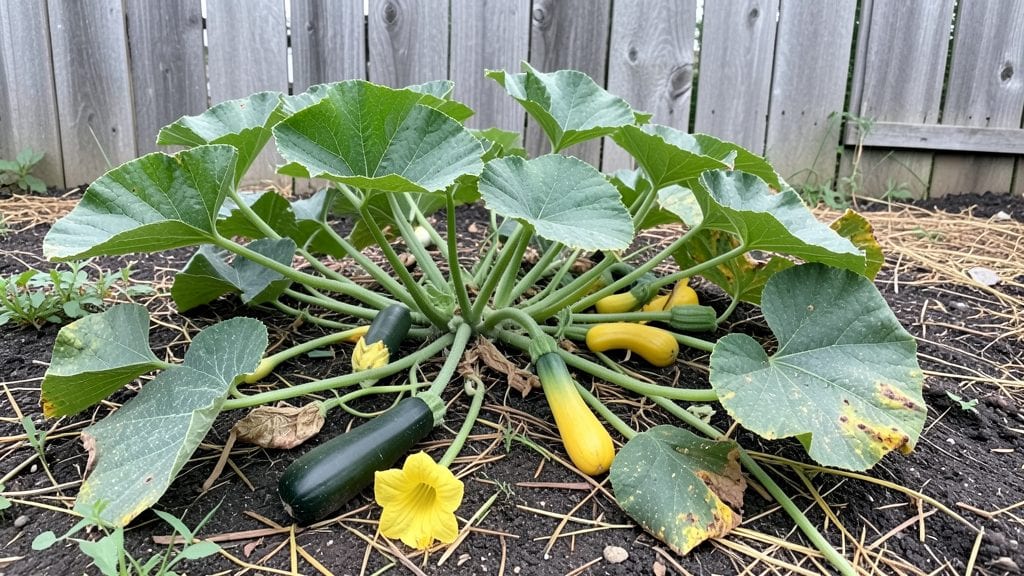
The common squash plant problems—yellow leaves, wilted vines, and sudden collapse—can turn your garden into a disaster overnight. 🌱 I’ve watched healthy-looking plants spiral into ruin—until I learned the fast fixes that actually work.
The key is spotting the problem early, whether it’s powdery mildew, vine borers, or something sneaky like nutrient burn.
Most gardeners wait too long before acting, and that’s when the damage gets permanent. But here’s the good news: these issues have quick solutions—no fancy tools or toxic sprays required.
I’ll show you how to diagnose each problem in minutes and stop it before it spreads. Think of it as a first-aid kit for your squash patch.
By the end, you’ll recognize the early warning signs—like chewed stems or strange spots on leaves—and know exactly what to do. No more guessing, no more lost harvests. Your plants will bounce back faster than you think, and you’ll save those squash before they even notice the trouble.
Works for zucchini, butternut, and pumpkins alike—no matter what variety you’re growing. Let’s get those plants back on track before the season slips away.
Root Causes Of Squash Struggles
Understanding why your squash plants act up is half the battle—once you know the real culprits, you can tackle them head-on. Squash plants are hardy but vulnerable to a mix of environmental stress, pest pressure, and cultural mistakes.
Let’s break down the science behind the most common squash plant problems and why they happen in the first place.
💦 Why it happens: Squash thrives in well-draining soil with consistent moisture, but too much water—or soil that can’t shed excess—triggers a cascade of issues.
When roots sit in soggy conditions, they suffocate, leading to: - Root rot (caused by Phytophthora or Pythium fungi) – these pathogens thrive in waterlogged soil, blocking nutrient uptake and turning roots mushy. - Blossom end rot (even in squash!) – while more common in tomatoes, poor drainage disrupts calcium absorption, causing dark, sunken patches on fruits. - Fungal diseases like powdery mildew or downy mildew, which spread faster in damp, stagnant air near the soil.
The science: Squash roots need oxygen to function. Water displaces air in soil pores, starving roots of what they need to grow. Over time, this weakens the plant’s immune system, making it easier for pathogens to attack.
🌱 Why it happens: Squash is a heavy feeder, meaning it demands a steady supply of nitrogen (N), phosphorus (P), and potassium (K)—plus micronutrients like magnesium and calcium.
Deficiencies show up in unexpected ways: - Yellowing leaves (chlorosis): Often a sign of iron or magnesium deficiency, but can also mean nitrogen starvation (older leaves turn yellow first). - Stunted growth or weak vines: Usually phosphorus deficiency (critical for root and flower development). - Brittle stems or curled leaves: A potassium shortage weakens cell structure, making plants prone to snapping or pest damage.
The science: Nutrients aren’t just "food"—they’re chemical signals that regulate plant processes. For example:
- Magnesium is the center of the chlorophyll molecule (leaf greenness).
- Calcium strengthens cell walls (preventing blossom end rot).
- Potassium helps plants fight stress (drought, disease, pests).
If your soil is too acidic (pH < 6.0) or too alkaline (pH > 7.5), plants can’t absorb these nutrients even if they’re present. Squash prefers a slightly acidic to neutral pH (6.0–7.0).
🐛 Why it happens: Squash is a magnet for pests—but why do they target your plants in the first place? Often, it’s because the plant is already stressed from other issues (like drought or poor soil), making it easier prey.
Common triggers: - Squash bugs/vine borers: Lay eggs on weak or water-stressed plants (they detect volatile organic compounds released by struggling vines). - Cucumber beetles: Prefer young, tender leaves—if your squash is growing slowly (due to cold soil or poor nutrition), it’s more vulnerable. - Powdery mildew: Spreads faster on plants with low humidity tolerance (common in hot, dry conditions where leaves can’t regulate moisture).
The science: Healthy squash plants produce secondary metabolites (like cucurbitacins) that repel pests. But when stressed, these defenses drop, and pests move in. For example:
- Drought-stressed plants produce more sugars in leaves, attracting aphids.
- Over-fertilized plants (especially with nitrogen) grow soft, fast, and delicious to beetles and borers.
☀️ Why it happens: Squash is a warm-season crop (60–90°F ideal), and deviations from this range throw a wrench into its growth cycle: - Cold soil (<50°F): Seeds rot or fail to germinate because enzymes needed for sprouting slow down.
Even if they do sprout, weak roots form, making plants prone to wilting. - Heat stress (>90°F): Causes blossom drop (flowers fall off before pollination) because high temps disrupt pollen viability or stop the plant from producing enough energy for fruit set. - Insufficient light (<6 hours of direct sun): Leads to leggy, weak stems (plants stretch toward light, wasting energy) and poor fruit development (low photosynthesis = fewer sugars for growth).
The science:
- Pollination failure in squash often happens when daytime temps exceed 90°F—pollen grains become desiccated and can’t fertilize flowers.
- Nighttime temps below 55°F can also cause male flowers to drop before they open, reducing pollination chances.
🍄 Why it happens: Squash plants often fall victim to fungal diseases because they’re grown in the same soil year after year (or in gardens with poor rotation). The biggest offenders: - Downy mildew (Pseudoperonospora cubensis): Thrives in cool, wet conditions (60–75°F and high humidity).
It spreads via windborne spores and attacks leaves, causing yellow patches that turn gray-fuzzy underneath. - Powdery mildew (Podosphaera xanthii): Loves hot, dry weather and crowded plants (poor air circulation).
It coats leaves in a white, powdery film, blocking sunlight and stunting growth. - Bacterial wilt (Erwinia tracheiphila): Spread by cucumber beetles, this bacteria clogs the plant’s xylem vessels, causing sudden wilting and death.
The science: Fungi and bacteria compete with plants for resources. For example:
- Downy mildew hijacks plant cells to steal nutrients, while powdery mildew smothers leaves, reducing photosynthesis.
- Bacterial wilt produces toxic compounds that trigger oxidative stress in plant tissues, leading to rapid collapse.
✂️ Why it happens: Squash plants hate competition—whether from other plants or their own overgrowth.
Common mistakes: - Not pruning runners: Squash vines spread aggressively, and if left unchecked, they compete with each other for sunlight and nutrients, leading to small, misshapen fruits. - Planting too close together: Crowded squash develops weak stems (prone to breaking) and poor air flow (ideal for fungal diseases). - Removing too many leaves: Pruning lower leaves (to improve airflow) is good, but over-pruning reduces the plant’s ability to photosynthesize, weakening it.
The science:
- Photosynthesis efficiency drops in crowded plants because leaves shade each other, reducing light absorption.
- Over-pruning disrupts the source-sink relationship—the plant can’t transport enough sugars from leaves (source) to developing fruits (sink).
Quick Fixes for Squash Plant Woes
Got squash plants acting up? Don’t panic—most issues have simple, effective solutions. Below, we’ll tackle the most common problems with practical fixes and prevention tips to keep your garden thriving. Whether it’s wilting leaves, pests, or poor growth, these steps will get your squash back on track in no time!
Fix: Start by checking the soil moisture—soggy roots cause yellowing just like nutrient starvation. Trim affected leaves to redirect energy to healthy growth.
- For nutrient issues:
- Test your soil (a DIY kit or local extension office can help).
- Add compost or balanced fertilizer (like 10-10-10) around the base, not touching the stem.
- Focus on nitrogen (first number) if older leaves yellow first—this signals nitrogen deficiency.
- For overwatering:
- Let the top 1–2 inches of soil dry out between waterings.
- Improve drainage by mixing in perlite or sand if your soil is heavy clay.
💡 Prevention Tip: Mulch with straw to retain moisture without drowning roots, and avoid watering leaves (fungus risk).
Fix: Squash bugs, cucumber beetles, and aphids love squash plants—act fast to stop them!
- Handpick pests (especially squash bugs) in the morning when they’re sluggish.
Drop them in soapy water. - Spray with neem oil (mix 1 tbsp neem oil + 1 tsp mild soap + 1 quart water) on a cloudy day to avoid harming bees. - Use row covers early in the season to block beetles and bugs before they lay eggs.
🔥 Pro Tip: Plant nasturtiums or marigolds nearby—they repel pests naturally!
Fix: Wilting can mean underwatering, heat stress, or disease—check the roots first.
- Underwatering? Water deeply at the base (not overhead) until soil is moist 6 inches down.
- Heat stress? Provide shade cloth (30–50%) during peak afternoon sun.
- Blossom end rot? (Brown, sunken spots on fruits?) Boost calcium with crushed eggshells or a calcium supplement.
⏰ Quick Rescue: If roots are mushy (rot), trim healthy sections and replant in fresh, well-draining soil.
Fix: Squash need pollination, warmth, and consistent care to produce well.
- Hand-pollinate if bees are scarce: Gently shake plants or use a paintbrush to transfer pollen from male (long stem) to female (tiny fruit at base) flowers.
- Ensure temps stay above 70°F—cool nights can prevent flowering.
- Fertilize lightly with potassium-rich fertilizer (like banana peel tea) to boost fruit development.
🎯 Prevention Tip: Plant squash in full sun (6+ hours/day) and keep soil consistently moist but not waterlogged.
Fix: Fungus thrives in humid, crowded conditions—break the cycle fast!
- Remove infected leaves immediately and destroy them (don’t compost).
- Spray with baking soda mix: 1 tsp baking soda + 1 quart water + a drop of soap. Reapply every 7–10 days.
- Improve airflow by pruning nearby plants and spacing squash 3–4 feet apart.
🌡️ Prevention: Water early in the day so foliage dries quickly, and avoid overhead sprinklers.
Fix: Slow growth usually means lack of nutrients, poor soil, or root issues.
- Test soil pH (ideal: 6.0–7.0 for squash).
Adjust with lime (to raise pH) or sulfur (to lower it). - Side-dress with compost or a low-nitrogen fertilizer (like 5-10-10) when plants are 4–6 inches tall. - Check for root-bound plants—if roots circle the pot, transplant to a larger container or garden bed.
💡 Bonus: Squash are heavy feeders—feed every 2–3 weeks during growing season.
- Rotate crops—don’t plant squash in the same spot yearly (diseases build up).
- Choose disease-resistant varieties (e.g., ‘Early Prolific Straightneck’ for powdery mildew resistance).
- Monitor regularly—catch issues early before they spread!
With these fixes, your squash plants should bounce back stronger than ever. Happy gardening! 🌿🍠
Frequently asked questions
Why are my squash leaves turning yellow, but the veins stay green?
This classic symptom usually means iron or magnesium deficiency. Yellowing between veins (interveinal chlorosis) occurs when the plant can't absorb these nutrients, often due to alkaline soil (pH > 7.5). Test your soil and amend with chelated iron or Epsom salt (1 tbsp/gallon water) if needed. Water at the base to avoid leaf burn from foliar sprays.
What should I do if my squash vines suddenly wilt and collapse?
Check for squash vine borers—look for sawdust-like frass near stems or chewed holes. If confirmed, cut open stems to remove larvae, then wrap stems with aluminum foil (borers hate it!). For bacterial wilt (sudden wilt + yellowing), remove infected plants immediately to prevent spread. Pro tip: Rotate crops next season to break the cycle.
How can I prevent powdery mildew on my squash plants?
This fungus thrives in hot, dry conditions with poor airflow. Start by spacing plants 3–4 feet apart and prune lower leaves to improve circulation. Apply a baking soda spray (1 tsp baking soda + 1 quart water + drop of soap) every 7–10 days. Water early in the morning to let foliage dry quickly, and avoid overhead irrigation.
Why aren't my squash flowers producing fruit?
Blossom drop happens when temps drop below 70°F or exceed 90°F, or when pollination fails. Hand-pollinate by gently shaking plants or transferring pollen with a paintbrush. Ensure consistent watering (drought stress causes flower abortion) and fertilize lightly with potassium-rich fertilizer to support fruit development.
Can I save a squash plant with root rot?
Root rot (mushy, brown roots) is often fatal, but you can try saving the plant if only 20–30% of the root system is affected. Trim healthy roots, replant in fresh, sterile potting mix, and water lightly until new roots form. For prevention, improve drainage with perlite and avoid overwatering. Consider container growing next season if your soil stays soggy.