
Blooming
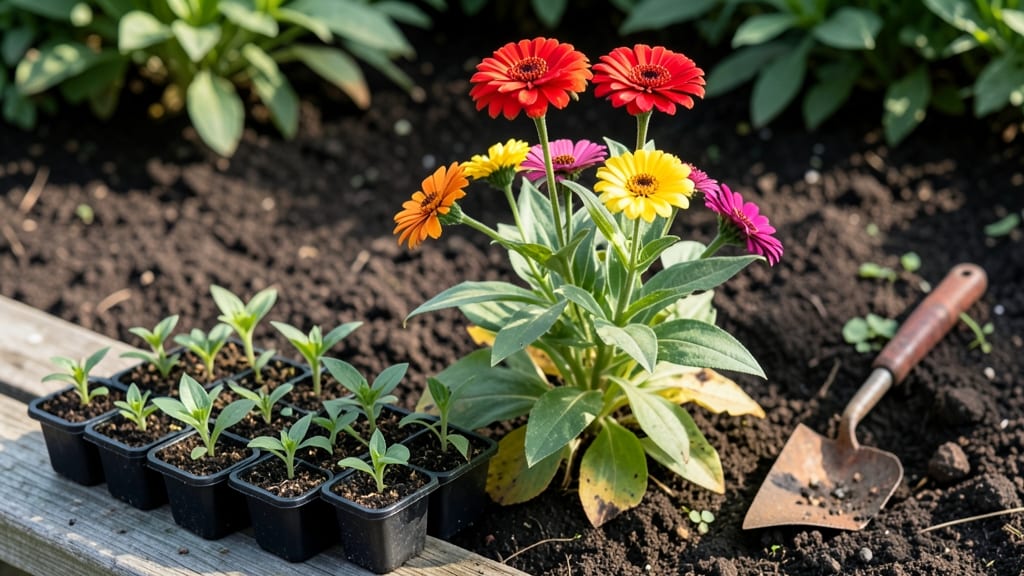
Succession planting zinnias guarantees nonstop summer color without the mid-season slump most gardeners face. 🌻 I learned the hard way—planting all my zinnias at once meant a two-week explosion of blooms followed by bare stems.
The fix? Staggered sowing every 3-4 weeks starting in early summer, which keeps flowers coming until frost.
This method works because zinnias thrive in warm soil but bolt quickly when stressed. By spacing out plantings, you maintain ideal growing conditions for each batch while preventing overcrowding. You’ll need well-draining soil, full sun (at least 6 hours daily), and consistent moisture—but no fancy equipment.
Even beginner gardeners can master this with basic tools and a calendar reminder.
The payoff is stunning: vibrant blooms from June through October, fewer pests (since no single planting dominates), and a garden that never looks tired. Your neighbors will ask how you keep zinnias going so long—and you’ll have the secret.
The first sowing sets the stage, while each new batch takes over as the previous one fades.
Works in containers too, making it perfect for small spaces. Just adjust spacing slightly and watch your balcony or patio become a pollinator paradise. Ready to transform your summer garden from a fleeting flash to a long, lush spectacle?
📚 In This Guide
- What you need
- Instructions
- Tips and common mistakes
- Wrapping up and next steps
What you need
- ● Zinnia seeds: 3–4 seed varieties (e.g., Benary’s Giant, Profusion, or Crystal for diversity). Aim for 1–2 lbs total (enough for ~1,000–2,000 seeds).
- ● Seed packet tip: Check days-to-germination (usually 7–14 days) to plan sowing intervals.
- ● Garden soil: Well-draining, amended with 2–3 inches of compost per planting area.
- ● Organic fertilizer: Balanced 10-10-10 or low-nitrogen (5-10-10) to avoid leafy growth over blooms.
- ● Mulch: Straw or shredded leaves (1–2 inches) to retain moisture and suppress weeds.
- ● Hand trowel (for transplanting seedlings).
- ● Seedling trays or biodegradable pots (if starting indoors; 2–3 trays for staggered sowing).
- ● Watering can with a fine rose (gentle watering prevents seed displacement).
- ○ Garden gloves (optional but handy for messy soil!).
- ● Plant markers (to label sowing dates—trust us, you’ll thank us later!).
- ● Sunlight: 6+ hours of full sun daily (zinnias are divas—they demand it!).
- ● Weather window: Start seeds indoors 4–6 weeks before last frost (or direct-sow after soil temps hit 50°F+).
- ● Plan 3 sowing batches, spaced 2–3 weeks apart (e.g., May 1, May 15, June 1).
- ● Water source: Consistent moisture (zinnias hate soggy roots but drought stress = floppy stems).
- ● Test soil pH (6.0–7.0 is ideal); amend with lime or sulfur if needed.
- ● Hardened-off seedlings? Clip stems to encourage bushiness before transplanting.
- ● Deadhead spent blooms weekly to trigger nonstop regrowth!
Step-by-step instructions for succession planting zinnias
Here's how to keep your garden blooming continuously with minimal effort.
🌱 Step 1: Prepare Your Planting Sites
Choose a location with full sun exposure—zinnias thrive with at least 6-8 hours of direct sunlight daily. Clear the area of weeds and loosen the soil to a depth of 6 inches using a garden fork. This ensures roots can establish quickly after planting.
Zinnias prefer well-draining soil with a slightly acidic to neutral pH. If your soil is heavy clay, mix in 2-3 inches of compost to improve drainage and fertility. Work it into the top 6 inches of soil, breaking up any large clumps. This prep step is crucial—poor drainage will lead to root rot, especially during summer's heat.
💧 Step 2: Sow Seeds in Staggered Intervals
Divide your zinia seeds into three equal groups (about 1/3 of the packet each). Plant the first batch 2-3 weeks before your last frost date, the second batch 4-6 weeks later, and the final batch 8-10 weeks after the first sowing. This staggered timing ensures a continuous bloom cycle throughout the summer.
Sow seeds 1/4 inch deep, spacing them 6-12 inches apart in rows 12-18 inches apart. Press them lightly into the soil—don’t bury them deeper, or they’ll take longer to germinate. Water gently but thoroughly after planting to settle the soil around the seeds. You’ll see sprouts in 7-14 days, depending on your climate.
☀️ Step 3: Thin Seedlings and Provide Consistent Care
Once seedlings reach 2-3 inches tall, thin them to stand 6-12 inches apart, removing the weakest plants to give the strongest ones room to grow. This step is often skipped, but thinning prevents overcrowding, which leads to leggy stems and fewer blooms. Use scissors to snip unwanted seedlings at soil level—this reduces disturbance to the roots of remaining plants.
Water zinnias at the base of the plant in the early morning to keep foliage dry, which prevents fungal diseases like powdery mildew. Aim for 1 inch of water per week, adjusting for rainfall. Mulch around plants with 2-3 inches of organic mulch to retain moisture and suppress weeds. Zinnias are drought-tolerant once established, but consistent moisture during germination and early growth ensures robust plants.
✂️ Step 4: Deadhead and Encourage Continuous Blooming
As soon as flowers begin to fade, pinch off spent blooms with your fingers or prune them with clean scissors. This practice, called deadheading, redirects the plant’s energy from seed production back into new flower growth. Check plants 2-3 times weekly—the more frequently you deadhead, the longer your blooms will last.
To extend the season even further, sow a final batch of seeds late summer (around mid-August), about 10-12 weeks before your first expected frost. These late-summer zinnias will bloom into early fall, providing a second wave of color when many other annuals have finished. Keep an eye on the weather—if frost threatens before blooms appear, cover young plants with a lightweight frost cloth at night.
Tips & tricks for perfect succession planting of zinnias
Here's the secret to turning your garden into a nonstop floral show—without the guesswork.
Sunlight Strategy: While zinnias love their 6-8 hours of direct sunlight, don't assume every sunny spot is equal. Morning sun with afternoon shade works best in hot climates—zinnias can scorch in intense midday heat. I've found that planting near taller perennials (like lavender or rosemary) provides natural shade while still allowing plenty of light to reach the zinnias' lower leaves. This simple trick prevents the wilting you might see in full-sun spots during peak summer afternoons.
Soil Prep Secret: The 2-3 inches of compost recommendation isn't just about drainage—it's about creating the perfect environment for those tiny seeds. When mixing compost into the top 6 inches of soil, work it in thoroughly but don't overdo it. I like to think of it like making a fluffy cake batter: you want the soil light and airy, not dense. This helps those zinnia roots spread quickly and establish before summer's heat kicks in.
Timing Precision: Those staggered planting windows (2-3 weeks, then 4-6 weeks, then 8-10 weeks) might seem tricky, but there's a simple way to remember: plant each batch when the previous one reaches about 2-3 inches tall. This visual cue takes the guesswork out of timing and ensures you're always maintaining that continuous bloom cycle. I've used this method for years—no more gaps in my summer color!
Deadheading Discipline: The 2-3 times weekly deadheading schedule might sound frequent, but it's worth it. Here's my pro tip: set a reminder on your phone for every other day. When you're outside watering or weeding, grab a pair of clean scissors and do a quick sweep through your zinnias. You'll notice the difference in just a few days—plants that look like they're struggling will perk up and start producing new blooms almost immediately.
Pro Tips for Succession Planting Zinnias
- Here's the secret to turning your garden into a nonstop floral show—without the guesswork.
- Sunlight Strategy: While zinnias love their 6-8 hours of direct sunlight, don't assume every sunny spot is equal.
- Soil Prep Secret: The 2-3 inches of compost recommendation isn't just about drainage—it's about creating the perfect environment for those tiny seeds.
Frequently asked questions
about succession planting zinnias—because even the best gardeners need a little extra guidance! Here are answers to the most common queries to help you keep those blooms coming all season long.How often should I succession plant zinnias for continuous blooms?
For nonstop color, sow zinnias every 2–3 weeks after your last frost date. If you live in a short-season zone, aim for 3 staggered plantings (e.g., early May, late May, and early June). In warmer climates, stretch it to 4–5 weeks apart—just ensure soil temps stay above 50°F (10°C).
Can I succession plant zinnias from seeds or should I start with transplants?
Both work! For speed, use transplants (they bloom faster), but seeds are cheaper and easier to stagger. If starting from seed, pre-sprout indoors 4–6 weeks before your last frost, then transplant outdoors. For direct sowing, plant seeds ¼-inch deep and keep soil moist until germination (5–10 days).
Why aren’t my zinnias blooming after succession planting?
Check these fixes:
- Deadhead spent blooms—this encourages more flowers.
- Ensure 6+ hours of sunlight daily (zinnias are sun-hungry!).
- Fertilize lightly with low-nitrogen, high-phosphorus feed (like 5-10-10) when seedlings emerge.
- Watch for aphids or spider mites—spray with neem oil if needed.
Can I succession plant zinnias in late summer for fall color?
Sow zinnias 8–10 weeks before your first fall frost (e.g., late July in Zone 5). Choose heat-tolerant varieties like ‘Benary’s Giant’ or ‘Profusion’—they handle late-summer heat better. Just avoid planting too close to frost; zinnias need at least 40–50 days to bloom.
What’s a good alternative if zinnias don’t thrive in my climate?
Try these low-maintenance, heat-loving alternatives for succession planting:
- Marigolds – Deter pests and bloom nonstop.
- Cosmos – Self-seeds easily and thrives in poor soil.
- Sunflowers – Fast-growing and great for cutting.
- Portulaca (Moss Rose) – Drought-tolerant and blooms all summer.
Wrapping up and next steps
Succession planting zinnias is your secret weapon for a nonstop parade of color all summer long—no gaps, no fuss! By staggering your sowing every 2–3 weeks, you’ll enjoy blooms from early summer until frost, turning even small spaces into vibrant showstoppers. 🌸
Ready to dive in? Start with your first batch today—grab those seeds, mark your calendar, and watch your garden transform into a cheerful, ever-blooming masterpiece. Happy planting! 🌱