
Planting
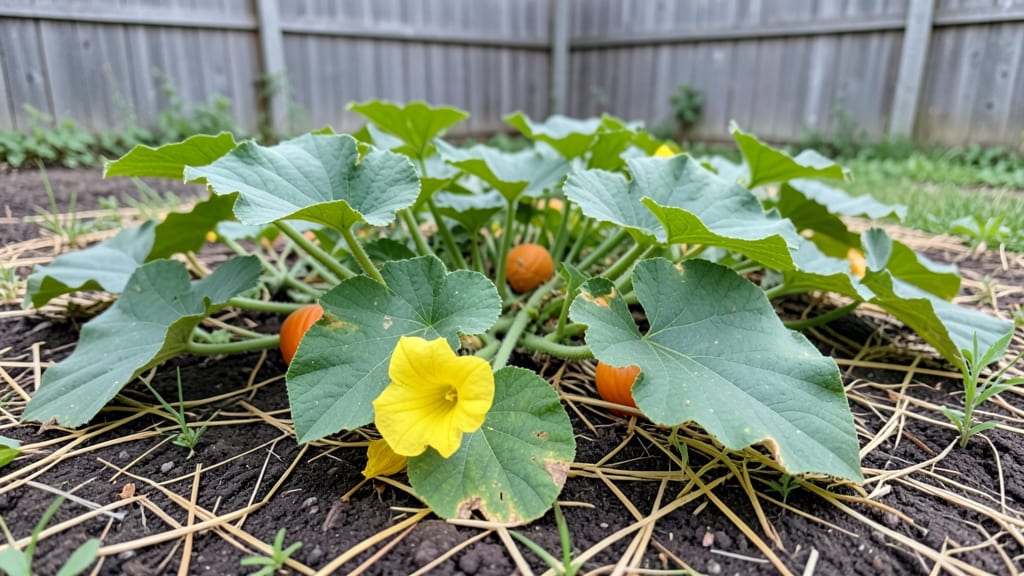
Growing tiny pumpkin plants in containers is totally doable with the right dwarf varieties, like 'Jack Be Little' or 'Munchkin,' which need well-draining soil, full sun exposure, and regular watering. Trim the vines to keep them bushy, and you'll get cute, edible pumpkins in just 70-90 days—perfect for small-space gardens or whimsical displays.
These miniature pumpkins aren't just adorable—they're practical for urban gardeners or anyone with limited space. 🌱 The key is choosing varieties bred for containers, like 'Baby Boo' (which produces 3-4" fruits) or 'Wee-B-Little' (6-8" pumpkins).
Since they grow in compact forms, they won't sprawl like traditional pumpkins, making them ideal for balconies or fairy garden decor. Just remember: even small pumpkins need room to spread their vines, so a 5-gallon container is the minimum for most dwarf types.
What sets these little pumpkins apart is their dual-purpose nature—many are edible (though often too small for carving) and equally stunning as ornamental centerpieces. The 70-90 day harvest window means you can enjoy fresh pumpkins in late summer without dedicating an entire garden bed to them.
Plus, their vibrant colors—ranging from deep orange to golden yellow—add instant curb appeal to any patio setup.
💡 In This Article
- Best Miniature Pumpkin Varieties for Containers
- Container Gardening Tips for Compact Pumpkins
Best miniature pumpkin varieties for containers
Miniature pumpkin varieties are specifically bred to thrive in confined spaces, making them perfect for container gardening. The 'Munchkin' variety, for example, produces pumpkins that typically reach 3-5 inches in diameter, while its vines spread only about 3-4 feet wide—ideal for a 5-gallon container.
This compact growth habit comes from selective breeding that suppresses the natural sprawling tendencies of larger pumpkin species, which can grow vines up to 20 feet long. The key difference lies in their genetic makeup, where dwarf varieties have been crossbred to prioritize bushier, more controlled growth patterns.
If you're looking for slightly larger but still manageable pumpkins, 'Baby Boo' is an excellent choice, producing fruits that range from 4-6 inches in diameter. Its vines grow about 4-5 feet, making it perfect for 7-10 gallon containers.
The 'Wee-B-Little' variety takes this a step further, with pumpkins reaching 6-8 inches and vines spreading 5-6 feet, fitting comfortably in 10-15 gallon containers.
What’s fascinating is how these varieties maintain their ornamental appeal while staying edible—though their small size makes them more suited for culinary uses like soups or pies rather than carving.
The cold-hardiness of these miniature varieties is another critical factor for container gardeners. 'Munchkin' and 'Baby Boo' can tolerate brief periods of 25-30°F temperatures, making them suitable for early spring or late fall planting in cooler climates.
However, they still require protection during frost, as their thin vines are more vulnerable than larger pumpkin plants. For regions with shorter growing seasons, starting seeds indoors 4-6 weeks before the last frost date ensures a longer harvest window.
This timing allows the plants to establish strong root systems before facing cooler temperatures.
One common misconception is that all miniature pumpkins are purely ornamental, but many—like 'Jack Be Little'—are fully edible and just as flavorful as their larger counterparts. The flesh of these small pumpkins tends to be slightly sweeter and denser, with a texture similar to butternut squash.
For example, a 4-inch 'Baby Boo' pumpkin yields about 1 cup of cooked flesh, perfect for adding to stews or roasted dishes.
The trade-off is that their small size means you’ll need to grow multiple plants to harvest enough for larger recipes, but the space efficiency makes this a worthwhile compromise for urban gardeners.
When selecting a variety, consider your specific goals: ornamental displays benefit from vibrant colors like the deep orange of 'Munchkin' or the golden hue of 'Wee-B-Little', while culinary uses may lean toward 'Baby Boo' or 'Jack Be Little' for their sweeter flavor profiles.
The choice ultimately depends on whether you prioritize aesthetics, functionality, or a balance of both in your container garden. For maximum yield, planting 2-3 plants per container ensures better pollination and a more abundant harvest, as pumpkins are monoecious—meaning they produce separate male and female flowers.
Here’s a quick comparison to help you decide:
- 'Munchkin': 3-5" pumpkins, 3-4 ft vines, 5-gallon container, best for fairy gardens
- 'Baby Boo': 4-6" pumpkins, 4-5 ft vines, 7-10 gallon container, ideal for culinary use
- 'Wee-B-Little': 6-8" pumpkins, 5-6 ft vines, 10-15 gallon container, versatile for decor and cooking
Each of these varieties brings something unique to your container garden, whether it’s the whimsical charm of tiny pumpkins or the practicality of homegrown ingredients. 🌟