
Pests
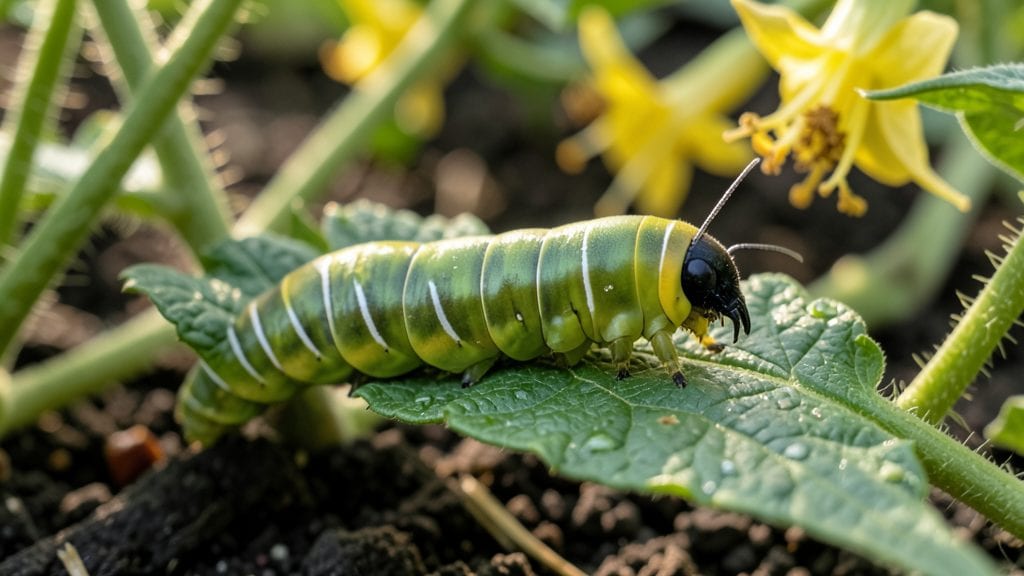
Tomato plant caterpillars can strip your plants bare in days if you don't act fast. 🌱 I've lost entire harvests to hornworms and tomato loopers before I learned these three organic sprays that actually work. The key isn't just killing pests—it's stopping them before they become a problem.
Most gardeners reach for chemical sprays first, but those disrupt the ecosystem and often backfire. Instead, I focus on targeted solutions: neem oil for prevention, Bacillus thuringiensis for active infestations, and a homemade garlic-chili spray that deters caterpillars naturally. Each works differently but together they create a foolproof defense system.
Within 24 hours of applying these sprays, you'll see caterpillars falling off plants or stopping their munching. The plants stay healthy, the fruit develops normally, and you avoid the heartbreak of a ruined harvest. The best part? These methods work for other garden pests too.
Works in home gardens, raised beds, or containers—just adjust the spray volume for your plant size. Let's get those tomatoes protected before the caterpillars get started.
The Real Culprits Behind Tomato Munchers
Those tiny green caterpillars chomping away on your tomato plants aren’t just a random nuisance—they’re the result of a few key factors that turn your garden into an all-you-can-eat buffet. Understanding why these pests show up is the first step to stopping them before they devour your harvest.
Here’s a breakdown of the most common reasons your tomato plants are becoming a caterpillar cafeteria:
Tomato plants are a caterpillar’s dream destination because they’re packed with nutrients that support rapid growth. Species like the hornworm (a common tomato pest) and tomato fruitworm are specifically drawn to the Solanaceae family, which includes tomatoes, peppers, eggplants, and potatoes.
These plants contain compounds like alkaloids (e.g., solanine) that deter many pests—but not caterpillars, which have evolved to metabolize them efficiently.
Additionally, healthy, lush tomato plants are more appealing than stressed or nutrient-deficient ones. A thriving plant signals to pests: “I’m full of energy and easy to digest!” If your tomatoes are growing vigorously, you’re more likely to see caterpillar activity.
In a balanced ecosystem, caterpillars are kept in check by natural predators like parasitic wasps, ladybugs, birds, and spiders. However, several factors can disrupt this harmony:
- Pesticide Overuse: Broad-spectrum chemical pesticides (like neonicotinoids or pyrethroids) don’t just kill caterpillars—they also wipe out their predators. This leaves your tomato plants vulnerable to explosive caterpillar populations with no natural resistance.
- Monoculture Gardening: Planting large blocks of the same crop (e.g., rows of tomatoes) creates a “green desert” that lacks biodiversity. Predators need a variety of plants to survive, and without them, caterpillars thrive unchecked.
- Seasonal Shifts: Early in the growing season, predator populations may still be low. Caterpillars hatch first and get a head start on feasting before their enemies arrive.
Pro Tip: If you’ve used pesticides recently, wait at least 2–3 weeks before introducing beneficial insects like Trichogramma wasps (which lay eggs inside caterpillar eggs) to restore balance. 🌿
Caterpillars are highly sensitive to environmental cues, and their life cycles are tightly linked to temperature and rainfall patterns:
| Factor | How It Affects Caterpillars |
|---|---|
| Warm Springs | Hornworms and fruitworms hatch earlier in warm weather, giving them more time to grow before your plants produce fruit. A sudden heatwave can trigger multiple generations in one season. |
| High Humidity | Moist conditions help caterpillar eggs stick to leaves and hatch faster. Overhead watering (especially in the evening) can also create a damp environment that invites fungal diseases and pests. |
| Drought Stress | While drought weakens plants, it can also concentrate sugars in leaves, making them more appealing to caterpillars. Stressed plants may also produce more volatile organic compounds (VOCs), which attract pests. |
💡 Actionable Insight: If your area has had an unusually warm spring, monitor plants weekly for eggs (tiny white or yellow dots on undersides of leaves) and remove them before they hatch.
A fan on low for 10 minutes daily can also deter egg-laying by disrupting moths’ ability to find your plants.
Caterpillars aren’t just after leaves—they’re also drawn to soft, ripe, or injured tomato fruit. Here’s why:
- Sugar and Moisture: Ripe tomatoes are packed with sugars and water, making them a high-energy snack for caterpillars. The tomato fruitworm (a type of caterpillar) will burrow into fruit to feed, creating entry points for rot and disease.
- Physical Damage: Bruised or cracked tomatoes release ethylene gas, a plant hormone that signals stress—and pests are quick to capitalize. Even bird pecks or hail damage can turn a tomato into a caterpillar magnet.
- Fallen Fruit: Overripe tomatoes that drop to the ground become a breeding ground for pests. Caterpillars pupate in the soil, and their waste can contaminate nearby plants.
✨ Prevention Tip: Harvest tomatoes as soon as they ripen (even if not fully red) and remove fallen fruit daily. Use row covers early in the season to block adult moths from laying eggs on fruit. 🍅
By addressing these root causes—whether it’s plant selection, ecosystem balance, weather patterns, or fruit management—you can make your tomato plants far less inviting to caterpillars. The next step? Learn how to fight back with organic sprays that disrupt their life cycle without harming your garden’s harmony.
Quick Fixes for Chewed Tomato Leaves
When hungry caterpillars turn your tomato plants into a buffet, don’t panic—there are fast, organic ways to reclaim your garden without harsh chemicals. Below, we’ve mapped the most common causes of caterpillar damage to practical, step-by-step solutions, plus prevention tips to keep your plants thriving.
🔥 Quick Fix: Handpick them—they’re easy to spot!
- 👨🍳 Step 1: Inspect leaves early in the morning (they’re sluggish then).
- 🥘 Step 2: Drop them into soapy water (1 tbsp dish soap per gallon) to kill them instantly.
- ⏰ Step 3: Check daily—hornworms grow fast and can defoliate a plant in 24 hours.
💡 Pro Tip: Attract praying mantises (their natural predators) by planting dill, fennel, or marigolds nearby.
🍳 Quick Fix: Disrupt their hiding spots with neem oil spray.
- 🔥 Step 1: Mix 1 tbsp neem oil + 1 tsp mild castile soap + 1 quart water.
- 👨🍳 Step 2: Spray directly on webs and undersides of leaves (where they hide).
- 🌡️ Step 3: Reapply every 3–5 days until no more tents appear.
✨ Extra Boost: Sprinkle diatomaceous earth (food-grade) around the base of plants to dehydrate crawling pests.
🔪 Quick Fix: Collars + traps to stop them before they strike.
- 👨🍳 Step 1: Cut toilet paper rolls into 2-inch rings and place around young tomato stems.
- 🥘 Step 2: Fill a shallow dish with beer or yeast water near plants—cutworms are attracted and drown.
- ⏰ Step 3: Check soil at dusk (their active time) and remove any hiding worms by hand.
🎯 Prevention Hack: Plant basil or garlic nearby—cutworms avoid these strong scents!
🌿 Quick Fix: BT (Bacillus thuringiensis) spray—safe for humans, deadly for caterpillars.
- 🔥 Step 1: Mix 1 tbsp BT powder + 1 quart water (follow package instructions).
- 👨🍳 Step 2: Spray evenly on leaves, focusing on undersides where they feed.
- 🌡️ Step 3: Reapply after rain or every 7–10 days.
💡 Bonus: Chicken wire barriers (buried 2 inches deep) can block their entry if they’re crawling in from grassy areas.
- 🌿 Plant Companion Crops:
- Marigolds, nasturtiums, or borage repel pests naturally.
- Dill and parsley attract beneficial wasps that hunt caterpillars.
- 🕯️ Light Traps (For Moths):
- Hang a white sheet with a bright bulb near plants—moths (caterpillar parents) get trapped.
- 🌱 Healthy Soil = Strong Plants:
- Compost-rich soil grows thicker leaves that caterpillars avoid.
- Avoid over-fertilizing with nitrogen—it makes plants softer and more appealing.
- 🕰️ Early Monitoring:
- Check plants every 2–3 days during warm months (peak caterpillar season).
- Yellow sticky traps can catch adult moths before they lay eggs.
🚫 What NOT to Do:
- ❌ Don’t use chemical pesticides—they kill beneficial insects (like ladybugs) that help control caterpillars.
- ❌ Avoid burning caterpillar-infested leaves—some species (like gypsy moths) can survive in smoke and reinfest.
With these targeted fixes, your tomato plants will bounce back in no time—and you’ll enjoy juicy, pest-free harvests all season! 🍅🌟
Frequently asked questions
What are the most common types of caterpillars that attack tomato plants?
The two most destructive species are hornworms (large green caterpillars with white stripes) and tomato fruitworms (smaller, pale green worms that burrow into fruit). Both grow rapidly and can defoliate plants in days. Look for chewed leaves, silk tents, or holes in tomatoes to identify them.
How do I know if my tomato plants have caterpillar eggs?
Check the undersides of leaves for tiny white or yellow egg clusters that look like grains of rice. Eggs hatch in 3-7 days, so remove them immediately with a damp cloth or spray with water to dislodge them. Early detection prevents infestations before they start.
Can I use dish soap to kill caterpillars on tomato plants?
Yes! Mix 1 tablespoon mild dish soap per gallon of water and spray directly on caterpillars. The soap disrupts their protective coating. For best results, apply in the evening when they're most active. Reapply every 2-3 days during infestations.
Will neem oil harm my tomato plants if used too often?
Neem oil is safe when used properly, but apply it no more than once every 3-5 days. Avoid spraying when flowers are open (it may reduce pollination). Always mix with a small amount of soap to help it stick to leaves. Never use it on stressed or wilting plants.
How long does it take for Bacillus thuringiensis (BT) to work?
BT kills caterpillars within 24-48 hours after ingestion. However, it only affects caterpillars that eat the treated leaves, so apply thoroughly to all foliage. Reapply after rain or every 7-10 days for ongoing protection. It's completely safe for humans and pets.