
Light Requirements
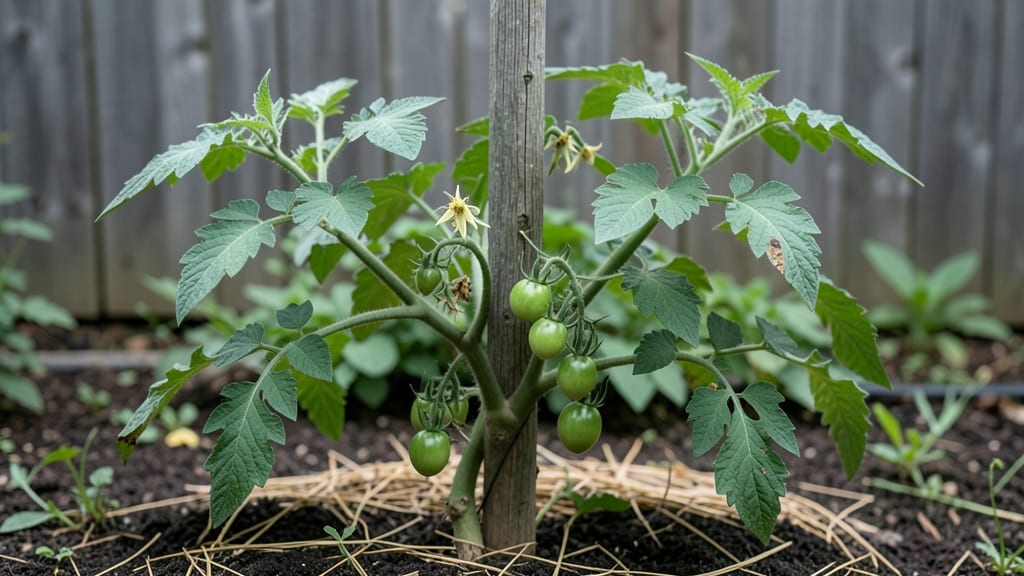
Tomato plants in direct sunlight thrive when they get 6 to 8 hours of those golden rays daily—just don’t let them get sunburned like a summer vacationer without sunscreen.
Picture this: your 🍅 plants wilting by noon, leaves crisping like overcooked chips, and fruit turning mealy instead of juicy. That’s not a lack of sunlight—it’s too much of the wrong kind. The key is finding that sweet spot where they soak up energy without frying.
You’re not alone if you’ve struggled with this balance. Many gardeners assume more sun is always better, but tomatoes need smart exposure—think shade cloth on scorching afternoons or choosing heat-tolerant varieties like ‘Solar Fire’ or ‘Heatmaster.’
In this guide, I’ll break down exactly how to position your plants, spot signs of sun stress, and keep them producing luscious fruit all season—no more guesswork, just bountiful harvests.

Best heat-resistant tomato varieties for full sun exposure
If you're growing tomatoes in a hot, sunny climate, choosing the right heat-resistant varieties makes all the difference. Some tomatoes thrive in direct sunlight while others wilt under the same conditions.
The key is selecting varieties bred for high-temperature tolerance and drought resistance—these will keep producing juicy fruit even when thermometers rise.
Not all tomatoes handle full sun exposure equally. Cherry tomatoes often lead the pack, but beefsteak and heirloom varieties can also excel with the right care. Below, I’ve broken down the top-performing heat-resistant options, including their flavor profiles, growth habits, and harvest potential under scorching conditions.
Why heat resistance matters: Tomatoes need 6-8 hours of direct sunlight daily, but when temps exceed 90°F (32°C), many varieties suffer from blossom drop, sunburn, or stunted growth. Heat-resistant types maintain fruit set and flavor intensity, even in USDA Zones 9-11 or arid climates.
| Variety | Type | Heat Tolerance | Flavor Profile | Mature Size | Days to Harvest |
|---|---|---|---|---|---|
| Solar Fire | Cherry | Extreme (95°F+) | Sweet, tangy | 3-4 ft | 50-55 |
| Heatmaster | Beefsteak | High (90°F+) | Rich, meaty | 5-6 ft | 75-80 |
| Sungold | Cherry | Moderate (85°F+) | Honey-sweet | 2-3 ft | 60-65 |
| Celebrity | Slicing | Moderate (80°F+) | Balanced, crisp | 4-5 ft | 70-75 |
| Arkansas Traveler | Heirloom | High (85°F+) | Bold, smoky | 5-7 ft | 80-85 |
| Black Prince | Heirloom | Moderate (80°F+) | Earthy, rich | 6-8 ft | 85-90 |
For cherry tomatoes, Solar Fire and Sungold are my top picks. Solar Fire handles extreme heat better than most, producing bright red, explosion-proof fruits even when temps hit 100°F (38°C).
Its compact size (3-4 ft) makes it ideal for containers or small gardens, while still delivering high yields.
Beefsteak varieties like Heatmaster are perfect if you want large, meaty slices without sacrificing heat tolerance. This variety thrives in full sun exposure and produces 6-8 oz fruits with thick walls, making them less prone to cracking
How to protect tomato plants from sunburn and overheating
Even though tomato plants love sunlight, too much direct sun can cause leaf scorch and heat stress, especially in hot climates. The key is balancing sun exposure with protective care to keep your plants thriving.
I’ve learned that mulching, pruning, and watering strategies make all the difference in preventing sunburn while ensuring healthy fruit production.
When temperatures soar above 90°F (32°C), tomato plants can suffer from sunburned leaves and blossom drop. This happens because the intense heat disrupts their natural cooling processes. The good news?
Simple adjustments like shade cloth, drip irrigation, and pruning techniques can shield your plants without sacrificing their need for sunlight. Let’s dive into the most effective strategies to keep your tomatoes happy and productive.
- 🌱 Mulch Heavily: Apply 3-4 inches of organic mulch (straw or wood chips) to keep soil cool and retain moisture.
- ✂️ Prune Strategically: Remove lower leaves to improve airflow and reduce heat exposure on the fruit cluster.
- 💧 Water Deeply: Water early morning (before 10 AM) to avoid evaporation and fungal risks from evening moisture.
- ☀️ Use Shade Cloth: Install 30-50% shade cloth during peak afternoon heat (12 PM - 4 PM) to prevent leaf scorch.
- 🌳 Plant Near Tall Crops: Position tomatoes next to corn or sunflowers to create natural shade during the hottest hours.
One of my favorite tricks is using reflective mulch, like white plastic or silver-colored fabric, to bounce sunlight away from the plant’s foliage. This method works especially well in southern climates where the sun is relentless.
I’ve seen it reduce leaf burn by up to 50% while keeping the fruit cool enough to ripen properly.
For container-grown tomatoes, consider moving pots to a shadier spot during midday heat. A simple rolling cart or elevated stand lets you adjust their position effortlessly. This is a game-changer for balcony gardens or small spaces where you can’t rely on permanent shade solutions.
Don’t forget that evening watering can be harmful—it encourages fungal diseases like blight by keeping leaves wet overnight. Stick to morning watering and use a soaker hose to deliver water directly to the roots, where it’s most needed.
This small change has helped my tomato plants stay healthier and more resilient in extreme heat.
If you notice yellowing leaves or blistered fruit, it’s a clear sign your tomatoes are struggling with heat stress. Act fast by providing temporary shade and increasing water frequency. With these strategies, you’ll protect your plants from sunburn while keeping them on track for a bountiful harvest. 🌿