
Companion Plants
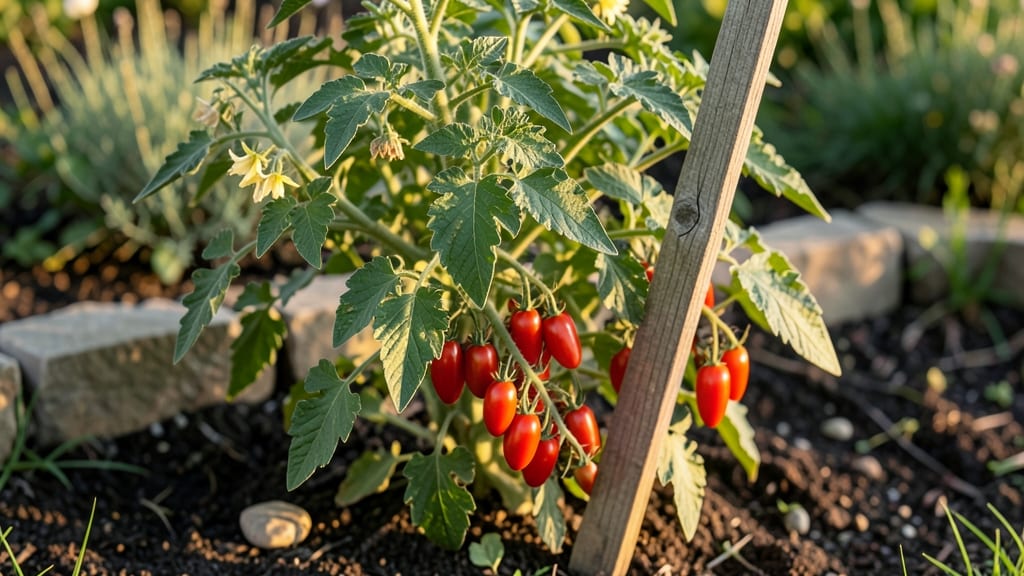
Growing tomatoberry tomato plants means harvesting both sweet fruit and edible foliage from the same plant—something that’s changed how I think about tomato varieties forever. 🌱 These plants aren’t just pretty; they’re productive, with tender leaves that taste like mild spinach and small, tangy berries perfect for salads or jams.
The key to success starts with well-draining soil rich in organic matter, and a sunny spot where they’ll get at least 6-8 hours of sunlight daily.
I’ve found that planting them in 5-gallon containers works just as well as in-ground beds, giving you flexibility whether you’ve got a backyard or just a sunny patio. Water consistently—about 1 inch per week—but avoid soggy soil, which can lead to rot.
By midsummer, you’ll see lush, dark green foliage ready for harvest, followed by clusters of tiny, tomato-like berries that ripen in waves. The leaves stay tender until frost, so you’ll get multiple harvests from a single plant.
Prune regularly to encourage airflow, and watch as your tomatoberry plants become the most versatile addition to your garden.
Perfect for small spaces, container gardens, or anyone looking to maximize their harvest. These plants are hardy, adaptable, and ready to turn your garden into a dual-purpose powerhouse—no extra work required.
📚 In This Guide
- What you need
- Instructions
- Tips and common mistakes
- Wrapping up and next steps
What you need
- ● Tomatoberry seeds or seedlings: Choose disease-resistant varieties like 'Indigo Rose' or 'Black Krim' (2–4 plants for a small garden, 6+ for larger harvests).
- ● Well-draining potting mix: 10–20 lbs of organic, nutrient-rich soil (e.g., Miracle-Gro Moisture Control or homemade blend: 60% compost, 30% peat moss, 10% perlite).
- ● Containers or garden bed: Containers: 5-gallon pots (1 per plant) with drainage holes.
- ● Garden bed: Full sun (6+ hours/day) and space 18–24 inches apart.
- ● Fertilizer: Balanced organic fertilizer (10-10-10 NPK) or compost tea (apply every 4–6 weeks).
- ● Support structures: Cages (4–5 ft tall) or stakes (6 ft) for indeterminate varieties.
- ● Hand trowel & pruning shears: For transplanting and trimming.
- ● Watering can or hose with nozzle: Drip irrigation or soaker hoses work best.
- ● pH test kit: Ideal soil pH: 6.0–6.8 (adjust with lime or sulfur if needed).
- ○ Mulch (optional): Straw or shredded leaves to retain moisture.
- ○ Companion plants (optional): Basil, marigolds, or borage to deter pests.
Step-by-Step instructions for growing tomatoberry tomato plants
Here’s how to cultivate these unique plants that give you both sweet fruit and edible leaves—no fancy tricks, just reliable results.
🌱 Step 1: Start Seeds Indoors for Strong Transplants
Tomatoberry seeds need warmth to germinate, so begin them indoors 6-8 weeks before your last frost date. Fill 2-3 inch deep biodegradable pots with sterile seed-starting mix (not garden soil) and moisten it until damp but not soggy. Press the mix down lightly so it’s firm but still loose.
Plant 2-3 seeds per pot just ¼ inch deep—any deeper and they’ll struggle to emerge. Cover them with a thin layer of mix and mist gently with water. Place the pots in a 75-85°F warm spot, like on top of a refrigerator or under a seedling heat mat. Germination takes 7-14 days, so be patient.
☀️ Step 2: Provide Light and Prevent Leggy Growth
The moment those first green sprouts appear, move them to bright light—a south-facing window won’t cut it. Use a full-spectrum LED grow light positioned 2-4 inches above the seedlings and keep it on for 14-16 hours daily. Without enough light, seedlings stretch thin and weak, a sign they’re desperate for more.
Once seedlings have 2-3 true leaves, thin to the strongest one per pot. If you’re short on space, transplant the extras into their own containers. Keep the soil evenly moist—not soggy, not dry—by watering at the base with a spray bottle. You’ll know it’s right when the soil looks damp but not glistening.
🪴 Step 3: Harden Off and Transplant Outdoors
Two weeks before your last frost, start hardening off the seedlings. Place them outside in a sheltered spot for 1-2 hours the first day, gradually increasing time over 10-14 days. This toughens them up so they don’t get shocked when moved to the garden. Watch for wilting—if it happens, they’re not ready yet.
Choose a sunny spot with 6-8 hours of direct sun daily and well-draining soil. Dig holes slightly deeper than the pots and space plants 18-24 inches apart. Remove the seedlings carefully, keeping the root ball intact, and place them in the holes. Fill with soil, firm gently, and water deeply. Mulch around the base to retain moisture and keep roots cool.
💧 Step 4: Water and Fertilize for Dual Harvests
Tomatoberries thrive with consistent moisture—water deeply 1-2 times weekly, depending on heat, until the top inch of soil feels dry. Avoid wetting the leaves to prevent disease. Feed every 2-3 weeks with a balanced, organic fertilizer (like 10-10-10) to encourage both fruit and foliage growth. You’ll see new leaves and small fruit clusters forming within a few weeks.
Prune suckers (the small shoots growing between the stem and branches) regularly to direct energy into fruit production. Harvest young leaves anytime for salads or cooking, and pick fruit when fully colored—they’re sweetest when ripe. This keeps the plant producing for weeks longer than traditional tomatoes.
Tips & tricks for perfect tomatoberry tomato plants
A few key tricks will help you grow thriving tomatoberry plants that deliver both sweet fruit and edible leaves—no guesswork required.
The Heat Factor: During germination in Step 1, maintaining that 75-85°F range is crucial. I use a seedling heat mat set to 80°F for consistent warmth. If your kitchen fluctuates, place pots on top of the fridge where it stays warm. Watch for condensation on the pots—this means they're too hot and may dry out too quickly.
Lighting Strategy: In Step 2, those 14-16 hours of light daily make all the difference. I position my grow light just 3 inches above seedlings at first, then raise it gradually as they grow to prevent burning. Notice how seedlings lean toward light? Rotate pots daily so they grow straight and sturdy.
Harden Off Gradually: The 10-14 day hardening process in Step 3 can't be rushed. I start with just 1 hour on day one, then add 30 minutes each subsequent day. Watch for wilting—if it happens, they're not ready yet. This gradual approach prevents transplant shock that can stunt growth for weeks.
Watering Wisdom: Step 4's 1-2 times weekly guideline works, but timing matters. Water deeply in the morning so foliage dries before evening. I use a moisture meter to check that top inch—when it reads dry, it's time to water again. Consistent moisture prevents both root rot and blossom-end rot in developing fruit.
Pro Tips for Tomatoberry Tomato Plants
- A few key tricks will help you grow thriving tomatoberry plants that deliver both sweet fruit and edible leaves—no guesswork required.
- The Heat Factor: During germination in Step 1, maintaining that 75-85°F range is crucial.
- Lighting Strategy: In Step 2, those 14-16 hours of light daily make all the difference.
Frequently asked questions
Got questions about growing tomatoberry tomato plants? You’re not alone! Here are answers to the most common queries—from planting to harvest—to help you grow these dual-purpose beauties with confidence.
What’s the best time to plant tomatoberry tomato seeds or seedlings?
Plant tomatoberry tomato seeds indoors 6–8 weeks before your last frost date (typically March–April in most U.S. zones). Transplant seedlings outdoors after soil temps hit 55°F+ and nighttime temps stay above 50°F. For warmer climates, direct-sow seeds in early spring or late summer for a fall harvest.
How long does it take for tomatoberry tomatoes to produce fruit?
Expect 70–90 days from transplanting to first fruit, depending on variety and growing conditions. Some prolific types (like ‘Indigo Cherry’) may yield earlier, while heirlooms might take slightly longer. Patience pays off! Prune early for faster fruiting and better airflow.
Can I eat the tomatoberries like regular tomatoes, or are they different?
Yes! Tomatoberry tomatoes are edible and delicious—sweeter, tangier, and often more flavorful than store-bought tomatoes. Their small, cherry-like fruits are perfect for snacking, salads, or sauces. The foliage is also safe to eat (though bitter; use sparingly in garnishes or teas).
What pests or diseases should I watch for with tomatoberry plants?
Common issues include aphids, whiteflies, and hornworms (handpick or use neem oil). Watch for blight (especially in humid climates)—space plants well for airflow and avoid overhead watering. Yellow leaves? Could signal overwatering or nutrient deficiency (try a balanced fertilizer).
Are tomatoberry tomatoes good companion plants? How do I use them in the garden?
Their lush foliage makes great living mulch, suppressing weeds and retaining moisture. Pair them with basil, marigolds, or onions to deter pests. The edible leaves also attract pollinators. For a low-maintenance border, let them cascade over trellises or grow as a dense hedge.
Pro Tip:
Need a space-saving hack? Grow tomatoberry tomatoes in hanging baskets or vertical towers—their vining habit thrives upward! Just ensure they get 6+ hours of sun daily for maximum fruit production.
Wrapping up and next steps
Growing tomatoberry tomato plants is a rewarding way to enjoy both delicious fruit and striking foliage in your garden! 🌱 These dual-purpose plants are perfect for adding beauty and bounty to your space, whether you're a seasoned gardener or just starting out.
With the right care, you’ll soon be harvesting sweet, tangy tomatoberries and showcasing vibrant leaves that elevate any landscape.
Now that you’re equipped with the knowledge to plant and nurture them, why not take the next step? Start with a few tomatoberry plants this season and experiment with companion planting to maximize your garden’s potential. Happy growing—your future harvests (and your green thumb!) will thank you! 🌿✨