
Companion Plants
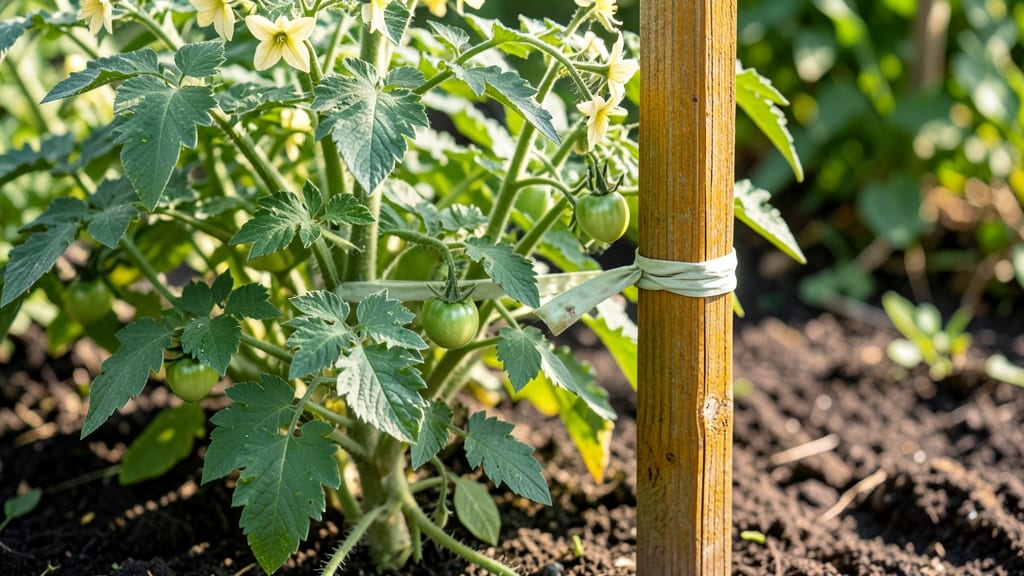
Training tomato plants properly means the difference between a handful of small fruit and a vine heavy with juicy, sun-ripened tomatoes. I’ve learned the hard way that skipping this step leads to sprawling, weak plants that struggle to support their own weight.
The right technique—whether staking, pruning, or trellising—transforms floppy vines into productive powerhouses, and it’s simpler than it looks.
You’ll need just a few basic tools: sharp pruning shears, sturdy stakes or cages, and some soft ties (old T-shirts work great). For indeterminate varieties, focus on pruning suckers and directing growth upward, while determinate types need minimal pruning but benefit from support early.
The key is consistency—check your plants weekly once they start vining, and you’ll see the difference in just a few weeks.
By summer’s end, you’ll have plants bursting with fruit instead of tangled messes. The leaves stay lush and green, not yellowed from overcrowding, and the tomatoes grow bigger because the plant directs energy where it matters.
Plus, harvesting becomes a breeze when the fruit hangs where you can reach it, not hidden under foliage.
This works for containers, small spaces, or full garden beds—just adjust the support system. Whether you’re growing heirlooms or hybrids, the same principles apply. Let’s get those vines trained right so you can enjoy a harvest that puts store-bought tomatoes to shame.
📚 In This Guide
- What you need
- Instructions
- Tips and common mistakes
- Wrapping up and next steps
What you need
- ● Tomato plants: 1–3 plants (determinate or indeterminate, depending on your preference). Pro tip: Start with healthy, disease-free seedlings!
- ● Pruning shears or sharp scissors: 1 pair (sterilized with rubbing alcohol to prevent disease spread).
- ● Garden twine or soft plant ties: 1–2 rolls (3–5 ft per plant). Avoid wire or anything that can cut into stems.
- ● Stakes or cages: 1–3 sturdy options (6–8 ft tall for indeterminate varieties, 3–4 ft for determinate). Bamboo or wooden stakes work well.
- ● Gloves: 1 pair (to protect hands from thorns and dirt).
- ● Watering can or hose with a gentle nozzle: 1 (for hydration post-pruning).
- ● Pruning paste: 1 small tube (to seal cuts and prevent disease).
- ● Garden kneeler or pad: 1 (for comfort during pruning sessions).
- ● Plant food or compost: 1 bag (to give your tomatoes a nutrient boost after training).
- ● Reflective mulch or shade cloth: 1 roll (to protect plants from harsh sun if needed).
- ● Notebook or app: 1 (to track pruning dates, plant growth, and fruit production).
Step-by-step guide to training tomato plants for maximum yield
Here’s how I transform leggy, weak tomato plants into sturdy, high-producing bushes—no fancy tools required.
Identify Your Tomato Type and Set Up Support Early
Determine whether you’re growing indeterminate (vining, continuous growth) or determinate (bush, set fruit once) varieties. Indeterminate types need stakes, cages, or trellises from planting day—waiting until vines sprawl creates a tangled mess. I use 5-foot bamboo stakes for single plants and 6-foot cages for multiple stems, inserted 6 inches deep at planting to avoid root disturbance later.
For determinate varieties, skip supports unless your plants are top-heavy. Instead, focus on pruning suckers (side shoots) to improve airflow and fruit size. The key is consistency—check supports weekly for stability, especially after heavy rain or wind. Loose stakes invite leaning plants and broken stems.
Prune Suckers Correctly for Bushier Growth
Suckers are the small shoots that grow in the V-shaped junction between the main stem and a branch. Pinch them off early in the morning when they’re still pliable—this reduces stress on the plant. For indeterminate varieties, I remove all suckers below the first flower cluster to redirect energy to fruit production. Leave suckers above the first cluster if your goal is shade for lower fruit or extra foliage.
Use your thumb and forefinger to snap suckers cleanly at the base, or snip with clean pruners if they’re woody. Avoid tearing—this creates open wounds where disease can enter. Watch for new suckers forming every 7-10 days and repeat pruning until late summer, when the plant focuses on ripening existing fruit.
Train Main Stems for Optimal Airflow and Sun Exposure
Gently weave or tie the main stem around your support every 12 inches using soft plant ties or old T-shirts. This prevents wind damage and ensures even light exposure. For indeterminate varieties, limit the main stem to 3-4 leaders (the thickest upward-growing branches). Remove weaker stems at the base to avoid competition for nutrients.
If your plant grows too tall for your support, don’t force it—let it sprawl on the ground instead of risking stem breaks. You’ll still get fruit, just smaller and lower to the ground. The goal is balance: enough height for sunlight but not so much that the plant topples. Check ties weekly and adjust as the stem thickens.
Prune Lower Leaves to Prevent Disease and Improve Fruit Quality
Remove yellow or diseased leaves immediately with sterilized pruners dipped in rubbing alcohol. For indeterminate plants, prune lower leaves up to 12 inches from the ground as the plant grows taller. This improves airflow, reduces blight risk, and directs energy to upper fruit clusters. I stop pruning lower leaves once the plant reaches 4 feet tall—beyond that, you risk exposing too much stem to sunlight, which weakens the plant.
For determinate varieties, prune only diseased or crowded leaves. These plants naturally stop growing, so aggressive pruning isn’t needed. Instead, focus on thinning fruit clusters to 2-3 tomatoes per stem—this ensures larger, healthier fruit. You’ll know you’ve done enough when sunlight reaches the inner canopy without casting shadows.
Harvest and Prune for Continuous Production
Pick tomatoes when fully colored but still slightly firm to the touch—this encourages the plant to produce more. After harvest, prune any remaining suckers or leaves shading the fruit. For indeterminate varieties, prune the top 2-3 leaves above the last flower cluster once the plant reaches your support’s height. This signals the plant to stop growing upward and focus on ripening existing fruit.
In late summer, reduce watering slightly to concentrate flavor and stop new growth. Remove all remaining suckers and prune back any overly long branches to prevent winter dieback. You’ll know you’ve pruned enough when the plant looks balanced, with sunlight reaching all fruit and no crowded leaves. This final trim sets the stage for next year’s stronger growth.
Tips & tricks for training tomato plants
These pruning secrets will transform your tomato plants from sprawling vines into productive, sturdy bushes—no green thumb required.
Timing is Everything: Early morning is the best time to prune suckers because the plant's sap is low, reducing stress. I've found that pinching off suckers right after watering also helps—this keeps the plant hydrated during the pruning process. For indeterminate varieties, focus on removing suckers every 7-10 days, especially in the first few months when growth is rapid. This consistent schedule prevents overcrowding and directs energy to fruit production instead of leafy growth.
Support Matters More Than You Think: The 6-inch depth for inserting stakes or cages is crucial—it provides stability without damaging roots. I've learned this the hard way after seeing plants topple during windstorms. For heavier varieties like beefsteak tomatoes, consider using two stakes on opposite sides of the plant for extra support. Remember to check your ties weekly, especially after rain—wet ties can become too tight and restrict growth.
Pruning for Airflow: When pruning lower leaves up to 12 inches from the ground, aim to create a "chimney" effect that funnels air upward through the plant. This reduces humidity in the lower canopy, which is where diseases like blight often take hold. I stop pruning lower leaves at 4 feet because beyond that point, the plant needs its foliage to protect itself from sunburn. For determinate varieties, focus on thinning fruit clusters to 2-3 tomatoes per stem—this might seem counterintuitive, but it actually results in larger, healthier fruit.
Late Season Strategy: That final pruning in late summer isn't just about cleanup—it's about setting your plants up for next year. By removing all remaining suckers and long branches, you prevent winter dieback and encourage the plant to focus its remaining energy on ripening existing fruit. I've noticed that plants I've pruned this way often produce stronger new growth in spring, sometimes with fewer disease issues. This final trim is your chance to give your plants a clean slate for next season's harvest.
Pro Tips for Training Tomato Plants
- These pruning secrets will transform your tomato plants from sprawling vines into productive, sturdy bushes—no green thumb required.
- Timing is Everything: Early morning is the best time to prune suckers because the plant's sap is low, reducing stress.
- Support Matters More Than You Think: The 6-inch depth for inserting stakes or cages is crucial—it provides stability without damaging roots.
Frequently asked questions
Got questions about training your tomato plants? You’re not alone—gardeners often wonder about the best techniques, timing, and troubleshooting tips. Here are answers to the most common queries to help you grow like a pro!
How often should I prune my tomato plants?
For indeterminate tomatoes (the vining types), prune weekly or biweekly during the growing season to remove suckers (side shoots) and encourage airflow. Determinate tomatoes (bush types) usually don’t need pruning—just focus on supporting their weight with stakes or cages.
When is the best time of day to prune tomato plants?
Prune in the morning when the plants are dry and the sun isn’t too intense. This gives wounds time to heal before evening moisture sets in, reducing the risk of disease. Avoid pruning in extreme heat or cold—aim for mild, overcast days if possible.
Will pruning my tomato plants reduce my harvest?
Not if done correctly! Pruning indeterminate tomatoes actually boosts fruit size and yield by directing energy to fewer, larger tomatoes. Determinate varieties may produce slightly fewer fruits, but pruning isn’t necessary—just ensure good airflow to prevent blight.
What should I do if my tomato plant looks stressed after pruning?
Stress is normal after pruning, but you can help by:
- Watering deeply to reduce shock.
- Avoiding heavy fertilizer right after—wait 1–2 weeks.
- Ensuring the plant gets plenty of sunlight to recover.
Can I use tomato prunings as compost or mulch?
Yes! Healthy prunings can be composted, but never use diseased or pest-infested clippings. For mulch, chop prunings into smaller pieces and spread them around the base (not touching the stem) to retain moisture and deter weeds.
Wrapping up and next steps
Training your tomato plants is a rewarding journey that leads to healthier vines, bigger harvests, and happier gardening moments! 🌱 By mastering pruning techniques and providing the right support, you’ll transform your garden into a thriving tomato paradise.
Remember, consistency and patience are key—your efforts will pay off in juicy, flavorful fruit.
Ready to take the next step? Start by observing your plants weekly and adjusting your training methods as they grow. Whether you’re a beginner or a seasoned gardener, every snip and stake brings you closer to a bountiful harvest. Grab your pruners and get growing—your tomatoes are waiting! 🍅✨